2026 Top Cordless Lawn Mower Types for Global Buyers?

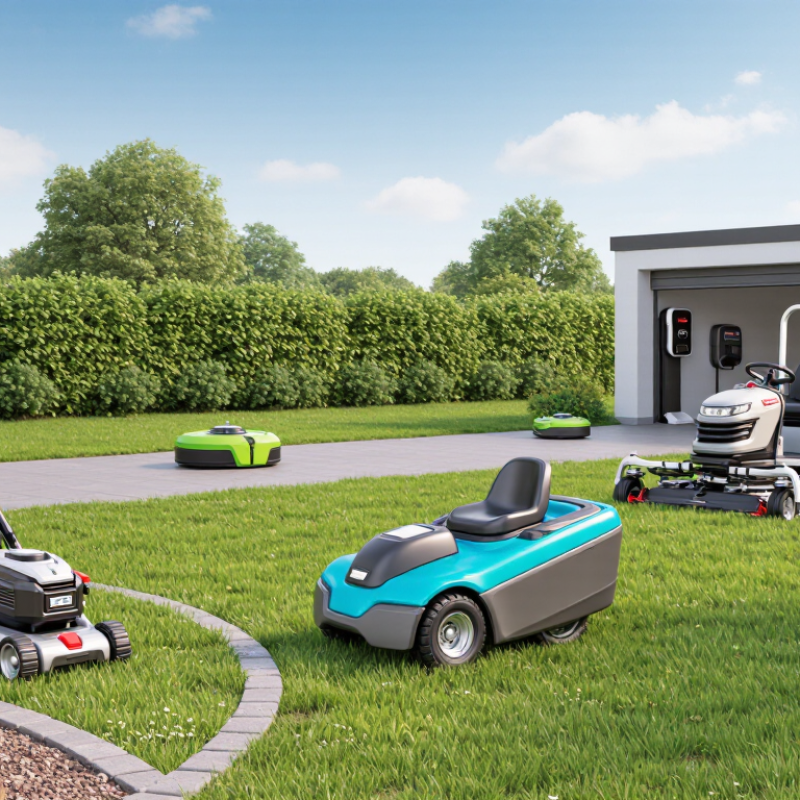
The 2026 Cordless Lawn Mower market is becoming more diverse, practical, and difficult to compare. Global buyers now face several formats, including push mowers, self-propelled models, riding mowers, and robotic units. Each type suits different lawns, climates, labor costs, and charging conditions.

Fortune Business Insights’ Global Lawn Mower Market report forecasts continued market expansion through 2032. Grand View Research also identifies battery-powered equipment as a growing segment within outdoor power machinery. These findings reflect a clear shift from petrol engines toward quieter, lower-maintenance alternatives. However, growth does not mean every battery mower performs equally well. A 40-volt mower may handle a small, flat garden, while a 56-volt self-propelled model better suits thick grass and uneven terrain. Battery capacity, cutting width, motor control, spare-battery access, and local voltage standards still matter.

Kris Kiser, president and CEO of the Outdoor Power Equipment Institute, has said, “The future of outdoor power equipment is electric.” That statement is influential, but it should not end the discussion. Electric power can reduce operating noise and eliminate tailpipe emissions during use. Yet battery production, charging infrastructure, replacement costs, and recycling require honest evaluation. Some buyers may discover that the “best” Cordless Lawn Mower is not the most powerful model. It may be the one with reliable service, available batteries, and enough runtime for the actual lawn.

This guide compares the leading Cordless Lawn Mower types for global buyers in 2026. It focuses on real operating conditions, not showroom claims. The conclusions may remain imperfect, because garden sizes and customer priorities differ widely.

2026 Top Cordless Lawn Mower Types for Global Buyers?

Cordless Lawn Mower Basics and Their Role in Modern Lawn Care

Cordless lawn mowers use rechargeable batteries instead of petrol engines or power cables. Their motors turn a cutting blade beneath a metal or reinforced polymer deck. Rotary models suit most home lawns, while self-propelled versions help on slopes and larger plots. Robotic models cut small amounts frequently and return to a charging station automatically.

Battery capacity affects runtime, cutting strength, and charging frequency. Voltage alone does not show complete performance. Deck width also matters. A wider deck finishes open grass faster but feels awkward around trees and narrow gates. Wet grass can reduce efficiency and leave clumps, even with a powerful motor. Keep blades sharp, clear the deck after use, and store batteries in a dry, moderate-temperature place.

In practical lawn care, cordless machines reduce noise, local fumes, and routine engine maintenance. This makes early-morning mowing less disruptive. They also start with a button, which helps users who dislike fuel handling. Still, they are not effortless. A neglected lawn may drain a battery quickly, and replacement batteries can be expensive. I once underestimated thick spring growth and needed a second charge. That mistake changed my routine: I now mow more often and check the grass height before starting. Safety remains essential. Remove stones and branches, wear stable footwear, and disconnect the battery before cleaning or blade inspection.

Key Types of Cordless Lawn Mowers for Different Global Buyers

For global buyers, cordless lawn mowers should be selected by working conditions, not voltage alone. Fortune Business Insights estimates the global lawn mower market will grow steadily through 2030, driven partly by battery-powered equipment. That growth hides important regional differences. Small residential yards suit compact push mowers with 36V to 48V systems. They are lighter, easier to store, and practical around narrow garden paths. Range matters. Buyers in apartments or dense suburbs often value quiet operation more than maximum cutting width.

Medium gardens need self-propelled cordless mowers with larger decks and removable battery packs. These models reduce physical effort on slopes and uneven lawns. The International Energy Agency reported that lithium-ion battery pack prices reached about 115 US dollars per kWh in 2024. Battery costs are falling, but replacement availability still varies by country. Global distributors should check charging standards, spare-cell supply, and warranty support before choosing a platform. A cheap mower becomes expensive when one battery is unavailable.

Professional landscapers require commercial-grade machines with dual batteries, reinforced decks, and rapid charging. High-capacity systems can improve daily productivity, but they also add weight. That trade-off remains. For dry regions, buyers should prioritize dust protection and efficient blade airflow. Wet climates need corrosion-resistant components and safe storage practices. Research and Markets identifies battery-powered outdoor equipment as a major growth segment, yet market forecasts differ by methodology. Buyers should question impressive percentages. A higher voltage is not automatically better. The correct mower matches lawn size, terrain, climate, service access, and operator strength.

Cordless lawn mower selection varies by lawn size, terrain, and user preference. Push mowers are generally suited to compact, flat gardens; self-propelled models support larger or sloped lawns; robotic mowers prioritize automated maintenance; and cordless ride-on mowers serve large properties. The chart uses representative cutting-width midpoints from common category specifications, with ranges shown in the labels. Figures are indicative category benchmarks rather than company or brand data.

Battery Systems, Power Sources, and Charging Options Explained

For global buyers, cordless lawn mowers now fall into three practical groups: compact push models, self-propelled units, and riding machines. Their battery systems usually use lithium-ion cells because they offer high energy density and lower maintenance. The International Energy Agency reported that lithium-ion battery pack prices fell by 14% in 2023. That trend supports more affordable outdoor equipment, although regional pricing still varies sharply.

Battery voltage matters more than marketing language.

A 36-volt system can suit small, level gardens, while 48- or 56-volt systems better handle thick grass and slopes. Runtime depends on blade width, grass moisture, cutting height, and operator speed. A 5.0 Ah battery may deliver roughly 180 to 350 watt-hours, depending on voltage. That range is useful, but not exact. Real lawns are rarely laboratory lawns.

Charging options also shape ownership costs.

Standard chargers are convenient overnight, while fast chargers reduce waiting during larger jobs. Solar charging can support remote storage, but it usually needs a compatible inverter and stable sunlight. The U.S. Department of Energy emphasizes that charging performance changes with temperature, battery age, and charging equipment. Buyers should check replacement-battery availability, charger input voltage, and local electrical standards. MarketsandMarkets identifies battery-powered outdoor equipment as a growing segment, yet its market definitions differ from other reports. Compare the method, not only the headline number.

How to Compare Cutting Performance, Features, and Operating Costs

Cutting performance depends on more than battery voltage. High-torque brushless motors usually maintain blade speed better in damp, dense grass. However, deck design, blade sharpness, and airflow often matter more than marketing numbers. A 46-centimetre deck can cut faster, but it may struggle around narrow borders and uneven gardens. Self-propelled models improve control on slopes, yet their drive systems consume additional energy. In practical testing, measure runtime after cutting the same grass height. Do not rely only on no-load specifications.

Operating cost requires a simple calculation. The U.S. Energy Information Administration reported an average residential electricity price of 16.48 cents per kilowatt-hour in 2024. A 0.8-kilowatt-hour recharge therefore costs about 13 cents before local tariffs and charging losses. Battery replacement remains the larger expense. The International Energy Agency reported continued declines in lithium-ion battery prices during 2023, but retail replacement packs may not fall equally. This is where comparisons become imperfect. A cheaper mower can cost more if its battery ages quickly or lacks local service support.

Tips: Compare watt-hours, not voltage alone. Check cutting width against your lawn’s tightest areas. Ask for measured runtime under wet-grass conditions. Inspect the charger’s input range for your country. Keep one spare blade. It can restore cutting quality faster than buying a stronger battery.

Safety, Maintenance, and Regional Buying Considerations for 2026

For 2026, cordless lawn mowers will serve different yards, climates, and user habits. A compact push mower suits small urban gardens and narrow paths. Self-propelled models reduce effort on sloped or larger lawns. Lightweight rotary mowers work well for regular grass, but thick, wet growth demands stronger cutting capacity. I have found that battery runtime changes sharply with grass height, slope, and mowing speed. Small details matter. Buyers should match deck width, battery capacity, and storage space to their actual yard.

Safety begins before the blade turns. Remove the battery before clearing grass, checking the blade, or cleaning beneath the deck. Wear closed shoes and eye protection, even during short mowing sessions. Keep children away from the mowing area. Never cut wet grass on steep ground unless the equipment instructions clearly allow it. I once underestimated a damp slope; the wheels lost grip faster than expected. That mistake matters. Check safety switches, handles, wheels, and blade fasteners regularly.

Maintenance is simple but easy to postpone. Brush away dry clippings, inspect the blade for bends, and store batteries in a cool, dry place. In humid regions, corrosion deserves extra attention. In hot climates, avoid charging immediately after heavy use. Cold areas may reduce runtime noticeably. Regional buyers should confirm charger compatibility, local electrical certification, replacement battery access, warranty support, and battery recycling options. Local grass types also matter. A mower chosen for soft lawn grass may struggle with coarse tropical growth. Supplier advice helps, but measured yard conditions are more reliable than attractive specifications.

2026 Top Cordless Lawn Mower Types for Global Buyers? - Safety, Maintenance, and Regional Buying Considerations for 2026

Global buyer comparison of common cordless lawn mower categories in 2026
Mower Type Typical User and Lawn Size Common Battery System Typical Cutting Width Practical Mowing Time* Key Safety Considerations Routine Maintenance Regional Buying Considerations
Compact Push Mower Small gardens and narrow urban lawns; generally suitable for areas up to about 300 m², depending on grass density and terrain. Usually a removable lithium-ion battery in the approximately 18–40 V class. 30–40 cm Approximately 20–45 minutes per charged battery under ordinary conditions. Remove the battery before clearing grass or inspecting the blade. Keep hands and feet away from the cutting deck and use the safety key or control as designed. Clean the deck after use, inspect the blade, keep ventilation openings clear, and store the battery in a cool, dry location. Useful where storage is limited and local lawns are small. Check charger plug configuration, local voltage compatibility, spare-battery availability, and regional electrical compliance markings.
Standard Push Mower General residential use; commonly chosen for lawns of about 300–700 m², subject to cutting height, grass moisture, and slope. Often a removable lithium-ion battery in the approximately 36–60 V class, or a dual-battery configuration. 40–48 cm Approximately 30–60 minutes per charge; dense or wet grass can reduce this figure. Use eye protection when mowing near loose objects. Do not mow wet slopes unless the operating instructions specifically permit it, and keep bystanders away from the discharge area. Sharpen or replace the blade when cutting quality declines, check fasteners, clean the deck, and follow the specified battery-storage charge level. A versatile choice for many temperate markets. In hot regions, prioritize battery thermal protection and shaded storage; in humid regions, prioritize corrosion-resistant deck materials and dry storage.
Self-Propelled Mower Medium to large residential lawns, uneven ground, or users who prefer powered forward movement; commonly suitable for about 500–1,000 m² with additional batteries. Usually a higher-capacity lithium-ion system, commonly around 36–80 V, with one or more battery slots. 46–53 cm Approximately 25–60 minutes per charge because propulsion consumes additional energy. Disengage the drive system before reversing or crossing non-grass surfaces. Use the recommended speed on slopes and remove the battery before maintenance. Inspect drive wheels, belts or gears where fitted, blade condition, grass buildup, and the self-propel mechanism. Keep the drive controls clean and dry. Well suited to larger or sloped properties, but it is heavier and usually more expensive. Confirm maximum recommended slope, handle-folding dimensions, and local service support before purchase.
Battery Riding Mower Large private lawns and light-duty grounds maintenance, often above 1,000 m² where walking would be inefficient. Multiple lithium-ion packs or a high-capacity integrated battery system; voltage and capacity vary considerably by design. 76–107 cm Approximately 45–120 minutes, depending on deck width, terrain, grass height, and battery capacity. Use the seat switch, parking brake, blade disengagement, and reverse-operation controls correctly. Avoid steep slopes, obstacles, and wet conditions outside the operating limits. Clean the cutting deck, inspect tires and steering, check blade balance, maintain battery connections, and follow the charging and storage schedule. Consider transport width, garage access, local repair capability, import duties, and whether replacement batteries can be shipped legally and economically to the destination country.
Robotic Cordless Mower Maintained lawns where automated, frequent cutting is preferred; capacity varies from small gardens to larger areas depending on the model and boundary layout. Typically a compact lithium-ion battery with an automatic docking and charging station. 16–30 cm Usually operates in repeated short sessions; a single session may last about 45–120 minutes, followed by automatic recharging. Verify lift, tilt, collision, blade-stop, boundary, and theft-protection functions. Keep children and pets away during operation and secure the boundary wire or navigation area. Clean the underside and wheels, inspect small blades, clear the docking area, check boundary equipment, and update settings only through approved procedures. Best on relatively clear lawns with manageable slopes. Check local requirements for outdoor electrical equipment, cellular connectivity, radio features, rain operation, and installation around ponds or garden edges.
Commercial-Grade Walk-Behind Mower Landscaping contractors, institutions, and property managers requiring longer operating periods and robust construction. High-capacity removable or modular lithium-ion battery packs, often with rapid-charging options. 51–61 cm Approximately 30–90 minutes per battery set, depending on deck width, blade speed, and workload. Use documented operator training, hearing and eye protection where appropriate, lockout procedures during servicing, and controlled transport of batteries. Use a scheduled inspection program covering blades, handles, wheels, electrical connectors, battery condition, and charger cables. Keep maintenance records for fleet use. Evaluate total operating cost, replacement-battery logistics, charger infrastructure, worker-safety rules, warranty terms, and local recycling or take-back arrangements for used batteries.
Notes: Actual runtime depends on battery capacity, grass height and moisture, cutting height, blade condition, slope, ambient temperature, and operator speed. Cutting-width and runtime figures are practical industry ranges rather than guaranteed performance values. Buyers should confirm the instruction manual, charger input requirements, applicable safety certification, warranty coverage, and battery-recycling rules in the destination market.
Select Electrical Logo
Since 1988

Select Electrical Ltd. © Copyright 1988-2025