
In modern warehouses, safety is a top priority. One critical component in ensuring a safe working environment is the Forklift Collision Detection System. This technology has gained attention for its ability to reduce accidents involving forklifts. Such incidents can lead to injuries and costly damages.
However, not all systems are created equal. Some may have limitations in detection range or response time. It's important to evaluate different options based on specific needs. A comprehensive understanding of how these systems work can lead to better safety strategies.
Determining the best Forklift Collision Detection System for 2026 requires careful consideration. Companies must think about the unique layout of their operations. Will the chosen system effectively monitor blind spots? Addressing these questions can enhance safety measures and minimize risks. As we dive deeper, we will explore the latest advancements and features of these essential systems.
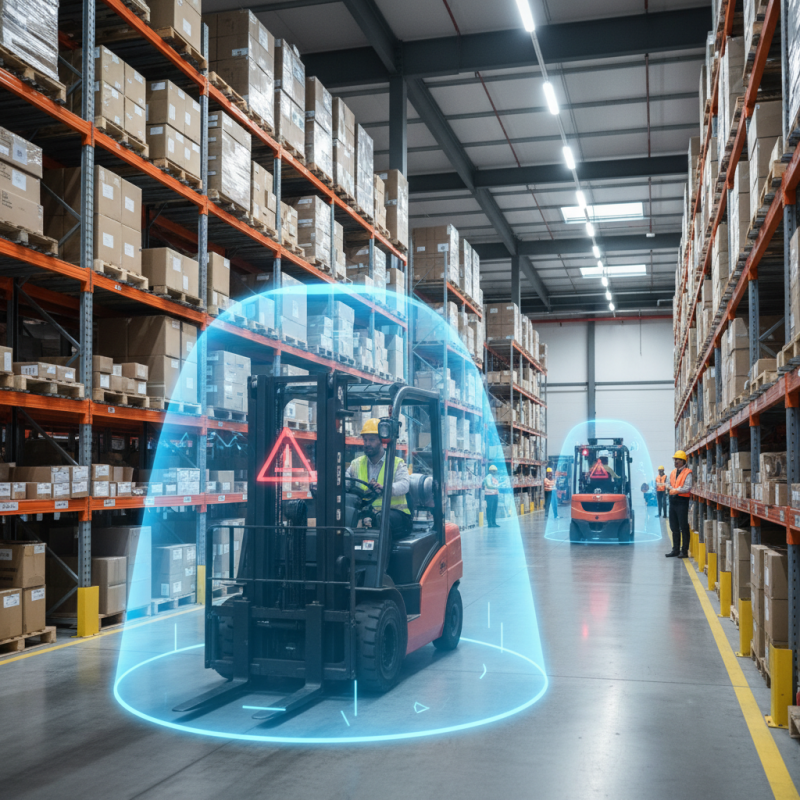
Forklift collision detection systems are crucial in enhancing workplace safety. These systems use sensors and cameras to monitor the environment around forklifts. They detect obstacles and alert operators before accidents happen. This real-time feedback can be life-saving in busy warehouses. However, not all environments are the same. Some systems may struggle in poorly lit areas or complex layouts.
Implementation can be tricky. Installation may require adjustments to existing setups. Training staff on new technologies is essential. Some operators might resist change or feel overwhelmed. This can create gaps in safety protocols. Regular maintenance is also necessary to ensure systems function as expected. If neglected, these systems can fail when needed most.
Ultimately, while forklift collision detection systems significantly reduce risks, they are not infallible. Human oversight is still needed. Operators should remain vigilant and attentive. Technology complements human capability but does not replace it. Regular reviews of system performance can help identify areas for improvement. Balancing technology with human awareness leads to safer work environments.
In warehouse operations, safely navigating forklifts is crucial. The integration of advanced collision detection systems can drastically improve safety. Reports suggest that nearly 20% of forklift accidents involve collisions with pedestrians or fixed objects. Therefore, implementing effective technologies is vital.
Key technologies in forklift collision detection include sensors and cameras. Proximity sensors alert operators of obstacles nearby. These systems reduce blind spots, allowing better awareness. Data indicates that facilities using such sensors have seen accident rates decrease by up to 40%. However, not all systems function flawlessly in every environment. Interference from metallic structures or poor lighting can limit their effectiveness.
Another critical aspect is real-time monitoring. Many systems now offer connectivity, letting operators track forklift movements. This feature allows managers to identify risky behaviors, prompting necessary training. Although beneficial, companies must regularly evaluate system performance. Continuous updates and adjustments are essential to maintain safety standards.
Implementing collision detection systems in forklift operations has become a necessity. These systems can significantly reduce workplace accidents. According to industry reports, roughly 85% of workplace injuries result from pedestrian-forklift interactions. This alarming statistic highlights the urgency of finding effective solutions.
Collision detection systems create a safer environment. They use sensors and alerts to warn operators of potential collisions. These systems can reduce accidents by up to 40%, based on recent studies. Furthermore, they help in minimizing product damage. Damaged goods can lead to several financial losses. The implementation of these systems ultimately leads to higher efficiency and productivity.
Despite these benefits, challenges remain. Some operators resist change. Training staff on new technology often takes time. Companies may struggle with the initial costs of installation. Yet, the long-term gains outweigh these obstacles. Fostering a culture of safety contributes to better employee morale. A focus on safety is paramount, especially in high-risk environments.
The challenges of forklift collision detection systems are significant. Despite advancements, many solutions fail in complex environments. For instance, poor visibility can lead to missed detections. Operators may struggle to see their surroundings clearly, especially in crowded warehouses. This creates a need for better technology that adapts to various settings.
Another major limitation is sensor reliability. Sensors can be affected by dirt, dust, or obstructions. Regular maintenance is necessary, yet often neglected. As a result, systems may provide false readings, leading to potential accidents. This inconsistency can erode trust in the technology as workers frequently question its effectiveness.
Moreover, integration with existing systems is problematic. Many facilities have outdated infrastructure. New tech must fit into these older systems without causing disruptions. This transition can be costly and complex. Implementations can take longer than expected, hindering overall productivity. Addressing these obstacles requires a reevaluation of both technology and operational practices.
The landscape of forklift safety technology is evolving rapidly. Recent industry reports indicate that approximately 20% of workplace accidents involve forklifts. This statistic highlights the urgent need for advanced safety innovations. A collision detection system can significantly reduce such incidents, enhancing both worker safety and operational efficiency.
Emerging technologies are playing a crucial role in this shift. For example, sensors and cameras are becoming commonplace in modern forklifts. These systems can detect obstacles and alert operators in real-time. In a survey by a leading safety organization, over 70% of companies reported fewer accidents after implementing these technologies. However, the reality is that not all companies adopt these advancements. Some still rely on traditional safety protocols, which may leave gaps in protection.
Workplaces must prioritize investment in safety systems. The return on investment can be substantial. Reducing accidents can save companies thousands in medical costs and downtime. Yet, some may overlook these benefits. A commitment to continuous improvement is essential. Forklift safety is not just about compliance; it’s about cultivating a culture of safety and awareness.