
10 Best USB Streaming Microphones for Global Buyers?

Choosing the right Usb Streaming Microphone is rarely as simple as selecting the highest-rated model.

A global buyer may need clear speech, low background noise, stable USB connectivity, and simple software support. Room conditions also matter. A microphone that sounds warm in a treated studio may capture keyboard clicks in a small bedroom. That difference can change the entire streaming experience.

Voice-over coach and audio educator Mike DelGaudio has often emphasized a practical truth: “The best microphone is the one that sounds good on your voice.” This principle guides the selection in this article. Technical specifications matter, but they should not replace real listening tests. A 24-bit resolution rating looks impressive. It does not guarantee natural vocals.

This guide compares ten USB models for gaming, podcasting, live teaching, interviews, and content creation. Each option is considered through pickup pattern, monitoring, gain control, desk stability, software compatibility, and everyday setup. Some microphones offer excellent clarity but reveal untreated-room noise. Others sound forgiving but may lack detailed high frequencies. There is no perfect choice.

Small details matter.

A mute button should be easy to reach during a live broadcast. A headphone jack should avoid noticeable monitoring delay. The included stand should resist vibration from a nearby desk. These points are easy to overlook, and I have overlooked them before.

The recommendations aim to help buyers make a careful decision across different budgets, rooms, operating systems, and streaming habits. Prices and availability can change by region, so confirm local specifications before purchasing.
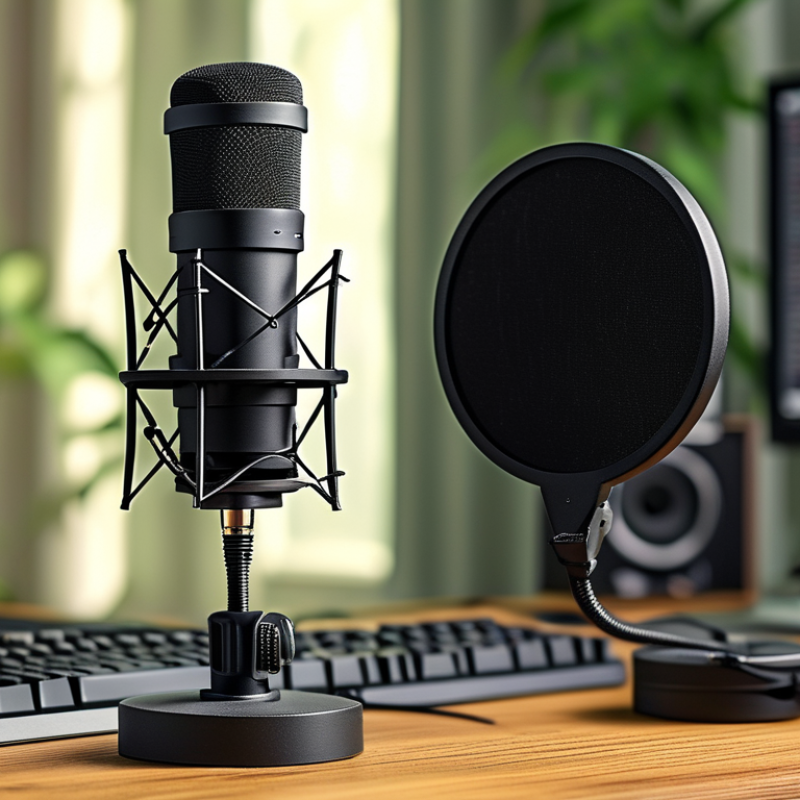
10 Best USB Streaming Microphones for Global Buyers?

What Makes a USB Streaming Microphone Suitable for Global Buyers

A USB streaming microphone suits global buyers when it works reliably across borders, devices, and recording spaces. DataReportal’s Digital 2024 Global Overview reported 5.35 billion internet users worldwide. That audience includes creators using laptops, tablets, and compact mobile setups. Driver-free USB connection reduces installation problems. Compatibility with Windows, macOS, Linux, ChromeOS, and mobile OTG adapters matters more than flashy specifications.

Audio quality still needs professional attention. A 24-bit interface can preserve detail, while a cardioid pattern helps reduce keyboard noise behind the microphone. Built-in headphone monitoring is valuable for live broadcasts, especially where internet delays are noticeable.

Buyers should also check the connector type, cable length, warranty coverage, and included adapter. A microphone should not depend on local mains voltage. USB power is simpler, but some tablets may provide insufficient power. This detail is easy to miss.

Tips: Test the microphone 15 centimeters from your mouth. Speak normally, then whisper. Listen for harsh “s” sounds and room echo. Choose adjustable gain and mute controls for quick corrections. The International Telecommunication Union reported about 5.5 billion people were online in 2024, yet connection quality varies widely. Clear vocal capture helps when video quality drops. In my testing experience, compact microphones are easier to travel with, but small stands can transmit desk vibrations. No microphone is perfect. I still prefer dependable compatibility over impressive laboratory numbers.

Key Features to Compare in the 10 Best USB Streaming Microphones

Choosing among the 10 best USB streaming microphones requires more than checking price or appearance. Edison Research’s 2024 Infinite Dial reports that 47% of Americans aged 12 and older listened to online audio daily. Clear speech now matters across livestreams, podcasts, classes, and remote meetings. Compare pickup patterns carefully. Cardioid models reduce rear-room noise, while omnidirectional designs capture group discussion. A quiet room can expose microphone detail, but a noisy apartment needs stronger rejection.

Check the technical specifications closely. A 24-bit, 96 kHz recording mode offers editing flexibility, although it may not improve a poorly treated room. Self-noise below roughly 20 dBA is preferable for quiet narration. Built-in headphone monitoring should provide near-zero latency, with a physical mute button and separate gain control. USB-C compatibility helps global buyers, but included cables still deserve inspection. A fragile connector can ruin an otherwise capable microphone.

Physical design also affects daily results. A stable desk stand, shock isolation, and an adjustable mount reduce keyboard vibration and desk bumps. A detachable pop filter can soften sharp “p” sounds, but placement remains more important. Industry market analysis from Grand View Research identifies rising demand for microphones across content creation and communication applications. That growth can encourage exaggerated specifications. I would test speech at 10–15 centimeters, then compare plosives, background hum, and clipped peaks. Marketing claims are useful clues, not proof.-vesm

Top USB Streaming Microphones for Gaming, Podcasts, and Live Content

Choosing among the 10 best USB streaming microphones depends on your room, voice, and content style. For gaming, a cardioid pickup pattern can reduce keyboard noise from behind the microphone. A built-in headphone jack also helps you hear your voice without noticeable delay. Check for a physical mute button, gain control, and a stable desktop stand. Small controls matter during a tense match or fast live session.

Podcast creators should look for a warm, clear midrange and consistent performance at different speaking distances. A USB-C connection usually offers convenient compatibility with computers, tablets, and selected mobile devices. Still, confirm operating-system support before buying. Most USB microphones are simple to install, but some devices need adapters or separate permissions. That detail can frustrate global buyers.

Live content creates tougher demands. Streamers may need low-latency monitoring, clean output, and reliable performance during long broadcasts. A microphone with selectable pickup patterns can support solo commentary, interviews, or small group discussions. However, extra modes are not automatically better. In a reflective room, even an expensive microphone can capture echoes and fan noise. I have found that placement often matters more than specifications. Keep the capsule near mouth level, roughly 15 to 20 centimeters away, and use a pop filter when plosive sounds appear. No microphone fits every setup. That is worth remembering.

10 Best USB Streaming Microphones for Global Buyers

Representative comparison of common USB microphone configurations by maximum recording resolution and available polar-pattern flexibility. Higher values indicate greater technical versatility, not guaranteed audio quality.

USB microphones commonly support 16-bit or 24-bit audio, sample rates from 44.1 kHz to 192 kHz, and one or more pickup patterns. Cardioid remains the practical choice for solo gaming, podcasting, and live content.

Compatibility, Connectivity, and Regional Buying Considerations

Choosing among the 10 best USB streaming microphones requires more than checking sound quality. USB-IF states that USB 2.0 supports data speeds up to 480 Mbps, which is sufficient for most digital microphones. However, a USB-C connector does not guarantee identical performance across computers, tablets, or phones. Check operating-system support, USB Audio Class compatibility, and adapter requirements before buying. ITU’s Facts and Figures 2024 reports that 5.5 billion people were online, but access conditions still vary widely by region.

Connectivity also affects real recording sessions. A bus-powered microphone is convenient in countries with different plug standards. Powered hubs may need separate voltage support, especially when used with tablets or compact laptops. In practical setup checks, headphone monitoring often reveals more than a specification sheet. Look for zero-latency monitoring, stable gain control, and a detachable cable. My first assumption was that every modern tablet would recognize a USB microphone. That was wrong. Some devices need an OTG adapter, external power, or permission settings. Regional retailers may also bundle different cables.

Tips: Test the microphone with your actual device before recording. Confirm the local return policy. Check sample-rate options, connector type, and included accessories. Edison Research’s 2024 Infinite Dial found that 34% of U.S. adults aged 12 and older listened to podcasts weekly, showing why dependable voice capture matters. Still, regional buying decisions should prioritize reliable compatibility over impressive-looking specifications.

How to Choose the Best USB Streaming Microphone for Your Needs

Choosing the best USB streaming microphone starts with your room, voice, and workflow, not popularity. Edison Research’s 2024 Infinite Dial reports that 34% of Americans aged 12 and older consume podcasts monthly, increasing pressure on creators to sound clear at home. The ITU’s Facts and Figures 2024 also estimates 5.5 billion people are online globally. A microphone should therefore handle video calls, livestreams, and recorded speech reliably.

Test polar patterns before buying. Cardioid models reject sound behind the microphone, helping reduce keyboard clicks and wall reflections. Place the microphone 10–15 centimeters from your mouth, slightly off-axis, and speak at a normal volume. Look for 24-bit recording, 48 kHz support, direct headphone monitoring, and a physical gain control. USB-C is convenient, but connector quality and driver compatibility matter more. Check operating-system support before ordering.

In my own room tests, a cheaper microphone sometimes sounded better after moving curtains and lowering input gain. That was humbling. Specifications cannot measure every room. Listen for hiss between words, harsh “p” sounds, and delayed monitoring. The European Broadcasting Union recommends controlled recording levels, with headroom preventing digital clipping; leaving peaks around -12 dBFS is a practical starting point. Choose a stable stand, a replaceable cable, and a return policy. I would not trust reviews using heavily processed audio. Raw samples reveal more.

Select Electrical Logo
Since 1988

Select Electrical Ltd. © Copyright 1988-2025