The Best 7 VFD Motor Control Solutions You Should Consider?

In the world of industrial automation, VFD motor control is essential for optimizing performance. These systems regulate the speed, torque, and direction of electric motors, boosting efficiency in various applications. However, choosing the right VFD solution can feel overwhelming, given the numerous options on the market.

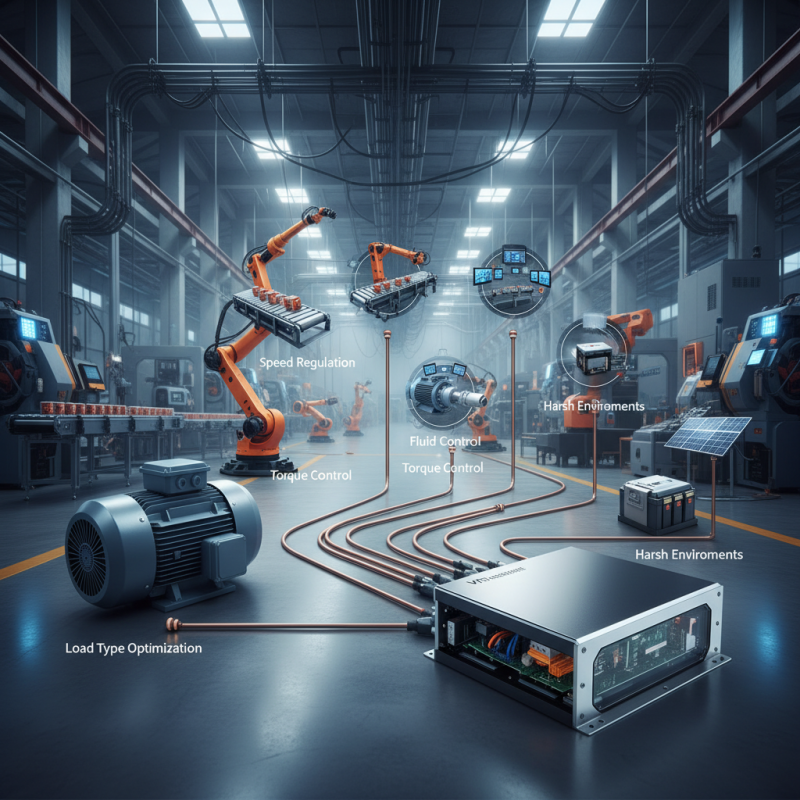
Different environments demand different VFD motor control solutions. Factors such as load type and operational requirements must be considered. Some businesses struggle with this complexity, leading to inefficiencies in their operations. Identifying the best solutions requires a deep understanding of both technology and application needs.

This article explores the best seven VFD motor control solutions worth your attention. We aim to equip you with the knowledge necessary to make informed decisions. Whether you are upgrading old systems or implementing new ones, understanding these options will enhance your operational efficiency. Your choices today will impact performance tomorrow.
The Best 7 VFD Motor Control Solutions You Should Consider?

The Role of VFDs in Modern Motor Control Systems
The Best 7 VFD Motor Control Solutions You Should Consider?

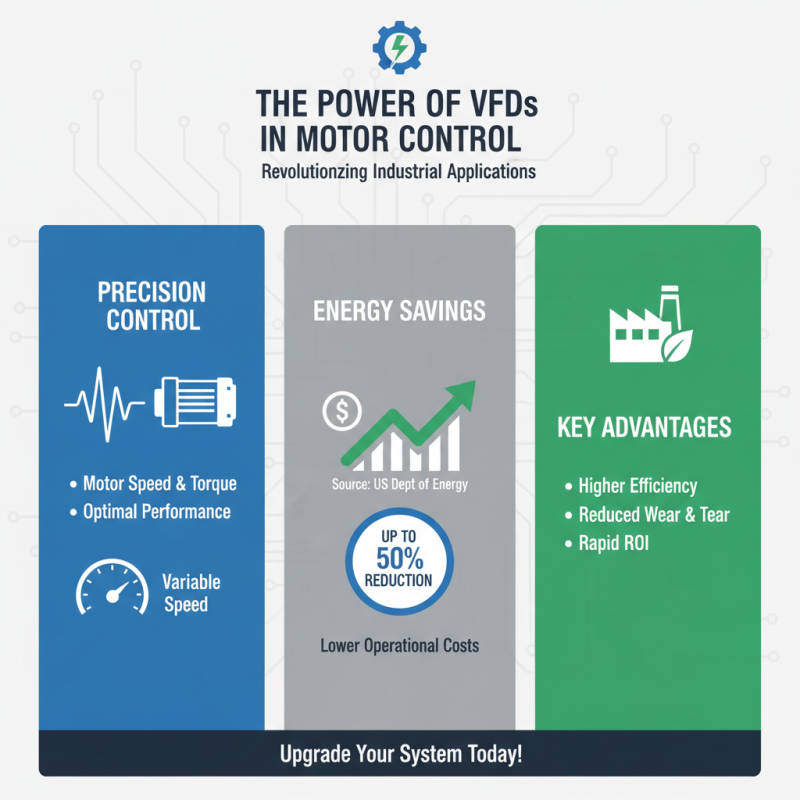
Variable Frequency Drives (VFDs) are revolutionizing motor control systems in modern industrial applications. They allow for precise control of motor speed and torque. According to a report from the U.S. Department of Energy, VFDs can lead to energy savings of up to 50% in certain applications. This is crucial as industries strive for higher efficiency and lower operational costs.

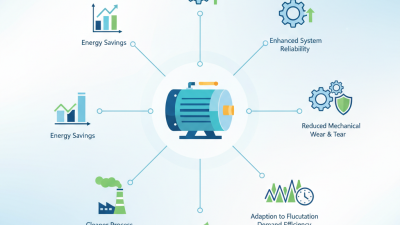
The integration of VFDs affects energy consumption positively. For example, in HVAC systems, they adjust the motor speed according to load demands. This flexibility reduces wear and tear on equipment. A study by the International Energy Agency shows that implementing VFDs across industrial sectors could reduce global electricity consumption by 10% by 2030. However, not all installations yield immediate benefits; some require thorough evaluations to ensure compatibility.

Adopting VFD technology can also introduce challenges. Issues related to harmonics and electromagnetic interference may arise. Proper installation and configuration are vital. Training staff to understand this technology is essential. Despite these challenges, the advantages overshadow the potential drawbacks for most applications.

Key Features of Effective VFD Motor Control Solutions

When considering VFD motor control solutions, key features can significantly impact performance. One essential aspect is the ability to provide precise speed control. This ensures that motors operate efficiently across varied applications. Developers need to consider how well the system can adapt to load changes. A responsive design helps maintain stability in operations.

Another critical feature is energy efficiency. Effective VFD solutions must reduce energy waste. The right system can lead to considerable savings over time. However, achieving this efficiency isn't always straightforward. Not all solutions provide the same level of savings. Users should evaluate metrics that matter to their specific applications.

Reliability stands out in the list of features. A dependable VFD system minimizes downtime. Industries often overlook maintenance needs, which can lead to unplanned outages. Additionally, seamless integration with existing systems is crucial. Users may stumble upon compatibility issues that hinder performance. This calls for thorough testing before implementation, highlighting the complexity involved in choosing the right solution.

Comparative Analysis of Popular VFD Brands and Their Performance

When selecting a Variable Frequency Drive (VFD) for motor control, understanding brand performance is crucial. Various brands offer different features that cater to specific applications. Some excel in energy efficiency, while others focus on user-friendliness or advanced control options. Not all brands prioritize the same aspects, leading to diverse experiences among users.

Performance metrics like acceleration time and torque control are essential. Some brands allow for finely tuned acceleration and deceleration, which impacts machinery and system stability. Conversely, others may lack flexibility in settings, resulting in operational challenges. User feedback often highlights these discrepancies, showcasing real-world efficiencies and limitations.

Additionally, durability and support services from manufacturers play a vital role. Seeking out brands with a strong reputation for reliability can enhance operational longevity. Yet, even reputable brands occasionally face critique. Some users report difficulties with technical support, leading to longer downtimes. This paints a complex picture of VFD selection, reminding decision-makers to weigh both pros and cons carefully.

The Best 7 VFD Motor Control Solutions You Should Consider

Cost-Benefit Analysis of Implementing VFDs in Industrial Applications

Variable Frequency Drives (VFDs) revolutionize motor control in industrial settings. Implementing VFDs can lead to significant cost savings. A study by the U.S. Department of Energy highlights that incorporating VFDs can save up to 50% on energy costs for electric motors in applications such as pumps and fans. These systems adjust motor speed and torque to match demand, reducing unnecessary energy expenditure.

The initial investment may seem daunting. However, the long-term benefits often outweigh upfront costs. A report from the International Energy Agency notes that VFDs can pay back their investment in as little as 1-2 years. Maintenance costs also decline since VFDs can reduce mechanical wear and tear. Yet, companies must consider the variability in payback times across different applications.

Some industries face challenges in adoption. Limited understanding of VFDs can hinder implementation. Moreover, proper installation and programming require skilled technicians. Inadequate training may lead to underperformance. Companies must invest in education for their workforce to truly harness the benefits of VFDs. Without careful consideration, organizations may find themselves missing out on the full potential VFDs can offer.

The Best 7 VFD Motor Control Solutions You Should Consider

Solution Key Features Cost (Estimated) Benefits Best For
Vector Control VFD High precision, responsive torque control $800 - $1,500 Enhanced performance and efficiency Robotics, CNC machines
Open Loop VFD Simplicity in installation and operation $500 - $1,000 Cost-effective solution Pumps, fans
PID Control VFD Feedback loop for stability $1,000 - $2,000 Excellent for temperature control Heating systems
Sensorless Vector Control Efficient torque control without sensors $900 - $1,700 Reduced cost and maintenance Industrial fans
Flux Vector Control High performance across load conditions $1,200 - $2,500 Maximized efficiency Heavy-duty applications
Multi-Motor VFD Control multiple motors from one drive $1,500 - $3,000 Space and cost savings Large systems with multiple motors
Soft Starter VFD Gradual acceleration and deceleration $600 - $1,200 Reduced mechanical stress Belt conveyors

Emerging Trends in VFD Technology and Future Prospects

The landscape of Variable Frequency Drive (VFD) technology is evolving at a rapid pace. Recent advancements focus on enhancing energy efficiency and overall performance. Many industries are adopting smart VFDs equipped with advanced algorithms. These systems optimize motor control in real-time, leading to significant reductions in energy consumption.

Emerging trends indicate a shift towards integrated systems that facilitate predictive maintenance. This approach minimizes downtime and maximizes operational efficiency. Furthermore, the rise of IoT in VFD technology allows for remote monitoring and control. It provides actionable insights that can improve decision-making processes.

However, integrating these technologies poses challenges. There is a need for skilled personnel who understand both VFDs and new digital tools. Businesses may struggle with employee training and adapting to these changes. As VFD technology continues to advance, organizations must remain vigilant about potential flaws in implementation and user adaptation.

Select Electrical Logo
Since 1988

Select Electrical Ltd. © Copyright 1988-2025