China Top 10 Valve Actuator Manufacturers for Global Buyers
Choosing a reliable Valve Actuator manufacturer in China requires more than comparing prices. Global buyers must examine engineering capability, production controls, testing procedures, and long-term service support. A low quotation may hide weak sealing, inconsistent torque output, or limited documentation. This guide introduces ten notable Chinese manufacturers for industrial and commercial applications. Their products may serve water treatment plants, oil and gas facilities, power stations, chemical lines, and automated process systems.
The evaluation considers product range, actuator response, torque accuracy, enclosure protection, corrosion resistance, and control compatibility. Factory experience also matters. A dependable supplier should provide clear drawings, load calculations, inspection records, and practical installation guidance. Certifications and international quality systems can strengthen confidence, but they should be verified against current product models. Sample testing is still wise.
Real projects reveal details that brochures often miss. A valve may cycle smoothly during a showroom demonstration, yet struggle in cold weather or dusty environments. Ask about duty cycles, manual overrides, fail-safe options, spare parts, and commissioning support. Communication speed matters too. Delayed answers can become expensive downtime.
No list is perfect. Manufacturer capabilities change, and product quality may vary between factories or batches. Therefore, this overview should support due diligence rather than replace it. Buyers should compare technical proposals, inspect test evidence, and confirm delivery responsibilities before placing an order. With careful review, the right Valve Actuator partner can improve process stability, reduce maintenance surprises, and support safer equipment operation across international projects.
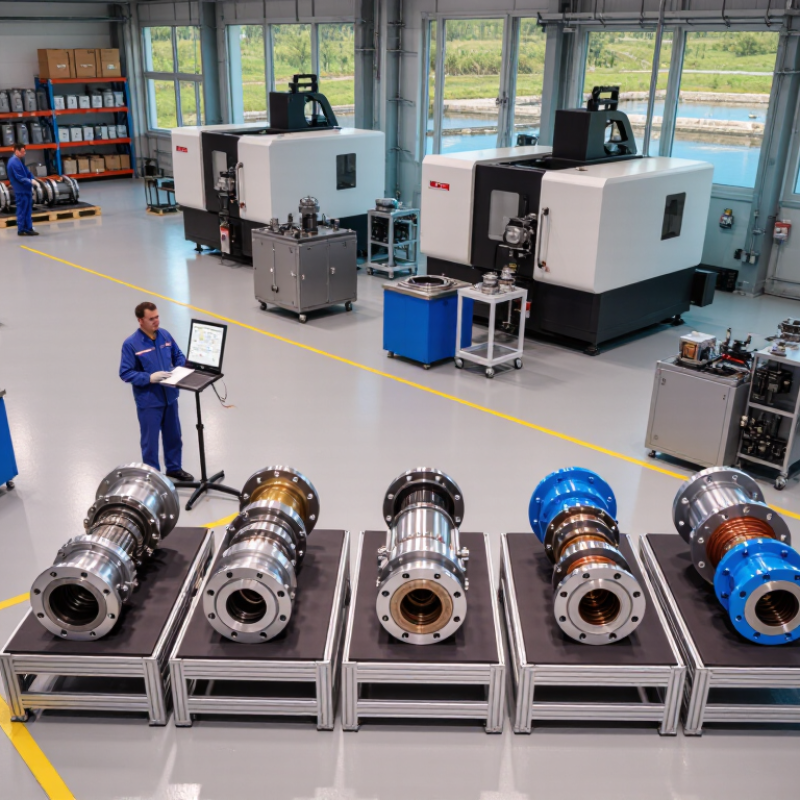
Valve Actuator Manufacturing in China: Industry Scope and Product Types
China’s valve actuator manufacturing sector covers electric, pneumatic, hydraulic, and electro-hydraulic technologies. Product selection usually follows valve motion. Quarter-turn actuators serve ball, butterfly, and plug valves. Multi-turn and linear actuators support gate, globe, and control valves.
Grand View Research valued the global valve actuator market at approximately USD 8 billion in 2023. Its forecast indicates continued growth through 2030, supported by water treatment, energy, chemical processing, and industrial automation. China’s manufacturing base serves both domestic projects and export-oriented equipment integrators. Factories commonly provide standard units, explosion-protected versions, compact actuators, and smart models with digital position feedback.
Technical evaluation needs more than price comparison. Buyers should verify torque margins, duty cycles, enclosure ratings, manual override design, and ambient temperature limits. ISO 5211 mounting dimensions help confirm quarter-turn compatibility. IEC-related motor and electrical requirements also matter for powered products. Pneumatic models require clean, stable air, while electric models need dependable control signals and thermal protection.
The boundary is not always clean. Some suppliers combine actuator production with valve assembly, testing, and control-panel integration. That can shorten procurement time, but it may complicate responsibility after delivery. Reports describe strong market growth, yet reported figures differ by product definition and research method. Buyers should request test records, material certificates, calibration data, and repeatability results before approving a supplier. Real operating conditions remain the harder question.
Key Criteria for Selecting China’s Top Valve Actuator Manufacturers
Selecting China’s top valve actuator manufacturers requires more than comparing prices or browsing polished catalogs. In practical sourcing, I check whether the supplier understands torque, travel time, duty cycle, and valve compatibility. A suitable actuator should match the valve’s actual operating load, not a convenient estimate. Ask for torque curves, motor data, enclosure ratings, and control wiring diagrams. Small details matter.
Technical evidence separates experienced manufacturers from resellers. Look for documented factory testing, calibration records, material traceability, and repeatable inspection procedures. Ask whether each unit receives load testing before shipment. Communication also reveals expertise. Engineers should explain fail-safe options, manual overrides, environmental limits, and common installation errors clearly. They should not hide behind vague answers. Request samples, drawings, and a realistic production schedule.
Reliability depends on support after delivery. Confirm spare-part availability, warranty terms, remote troubleshooting, and response times in writing. Check whether the manufacturer can support common control systems and provide clear manuals in English. A factory visit, video inspection, or independent audit adds useful evidence. Still, no checklist is perfect. I have seen impressive test reports paired with weak packaging and careless labeling. Ask for shipment photos, serial-number records, and corrective-action reports. The best supplier accepts difficult questions, admits limitations, and improves its process when evidence exposes a gap.
Profiles of the Top 10 Chinese Valve Actuator Manufacturers
China’s valve actuator sector includes manufacturers with different strengths, factory scales, and export experience. This profile-based view helps global buyers compare practical capabilities.
Manufacturer One focuses on electric actuators for quarter-turn valves. Its workshops commonly emphasize compact housing and simple wiring. Manufacturer Two supplies pneumatic actuators for water treatment plants. It often offers aluminum bodies and adjustable travel stops. Manufacturer Three develops heavy-duty electric units for oil, gas, and power projects. Buyers should verify enclosure testing carefully. Manufacturer Four serves chemical facilities with corrosion-resistant actuator options. Its engineering support can be valuable during material selection. Manufacturer Five specializes in sanitary valve automation for food and pharmaceutical equipment. Clean surfaces matter here.
Manufacturer Six combines actuators with control panels and limit switches. This can reduce integration time. Manufacturer Seven targets municipal pipelines with cost-conscious designs and common spare parts. Manufacturer Eight provides intelligent actuators with position feedback and fieldbus communication. Software compatibility needs real testing. Manufacturer Nine supports customized torque ranges for unusual valve sizes. Custom work may increase lead time. Manufacturer Ten focuses on export packaging, documentation, and after-sales assistance. Its process may look strong, but response speed should be confirmed with real inquiries.
Tips: Request torque calculations, duty-cycle data, wiring diagrams, and test records. Ask for a sample inspection before large orders. Check whether replacement seals are stocked locally. Factory photos help, but they are not proof. A video audit is useful, although it cannot replace independent testing. Define acceptance criteria in writing. Even experienced buyers sometimes overlook ambient temperature and emergency-operation requirements.
China’s Top 10 Valve Actuator Manufacturers: Product Coverage Snapshot
This chart summarizes the number of manufacturers in a 10-supplier profile review that publicly list each actuator category. Categories can overlap, and the figures indicate product coverage rather than market share or sales volume.
Data dimensions: actuator categories publicly listed in supplier product portfolios. Maximum possible value per category: 10 manufacturers.
Quality Standards, Certifications, and Production Capabilities
When global buyers assess China’s top 10 valve actuator manufacturers, certificates should support evidence, not replace it. ISO 9001 indicates controlled quality processes, while ISO 5211 helps confirm actuator-to-valve mounting compatibility. For hazardous locations, buyers should verify current ATEX or IECEx documentation. IP ratings also matter in dusty or wet plants.
Look beyond paper.
A reliable factory can provide material certificates, serial-number traceability, calibration records, and documented final inspections. Its test benches should measure torque, travel, operating time, and repeated-cycle performance. I have found that practical factory audits reveal more than polished brochures. Ask to see machining areas, motor winding controls, gear inspection points, and stored test data. Production capacity should include realistic monthly output, spare-part availability, and clear lead-time records. A large workshop is not automatically a capable one.
Manufacturers serving demanding projects may offer electric, pneumatic, or hydraulic actuators with customized torque ranges and control signals. They should explain testing under low temperature, high humidity, vibration, or frequent cycling. Functional safety claims require independent assessment and suitable IEC 61508 evidence. Be careful with vague “international standard” statements. They often need verification. Even strong suppliers can miss small details, such as connector protection or incorrect travel settings. That is why sample approval, factory acceptance testing, and an agreed inspection plan remain essential before shipment.
Export Services, Customization, Pricing, and Global Buyer Support
China’s top valve actuator manufacturers increasingly compete through export services, customization, and responsive buyer support. MarketsandMarkets’ 2024 report projects steady growth in the global valve actuator market, driven by water treatment, energy, and process automation. This demand rewards suppliers that provide traceable testing, clear technical drawings, and reliable shipment planning.
Experienced exporters should offer pneumatic, electric, and hydraulic options with torque calculations, duty-cycle data, and suitable enclosure ratings. Customization may include flange standards, control signals, fail-safe functions, cable entries, and corrosion protection. Buyers should request factory acceptance test records, material certificates, spare-parts lists, and installation guidance. Pricing must include actuator configuration, testing, packaging, freight terms, and after-sales response time. A low quote is not always economical. Hidden engineering changes can delay commissioning.
Tips: Compare identical specifications, not only unit prices. Ask for a sample quality dossier before ordering. Confirm whether remote troubleshooting is available in your time zone. Check export documents against destination requirements. The International Energy Agency’s World Energy Investment 2024 report estimated global energy investment would exceed 3 trillion dollars, increasing pressure for dependable automation equipment. Still, market forecasts are not guarantees. Some suppliers communicate well before payment, then respond slowly after delivery. This risk deserves direct questioning. No checklist is perfect.