How to Choose the Best Electric Water Heater for Your Needs?
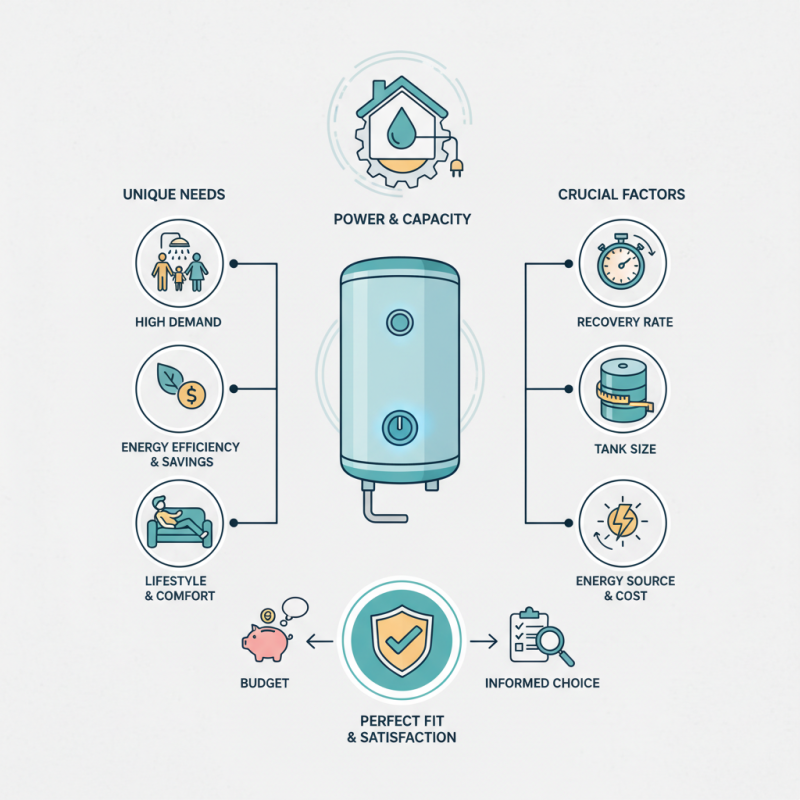
Choosing the right Electric Water Heater can be a daunting task. With so many options, it’s easy to feel overwhelmed. According to John Smith, a leading expert in the electric heating industry, "Selecting an Electric Water Heater is not just about power; it's about your unique needs." His insight underscores the importance of tailored solutions.
An Electric Water Heater should fit seamlessly into your lifestyle. Are you a household with high demand? Or do you prefer energy efficiency over bulk capacity? These questions are crucial. The right choice can save money and energy while providing comfort.
Many people struggle with selection due to a lack of information. It's vital to consider factors like recovery rate, tank size, and energy source. Each of these elements has implications for performance and cost. Making an informed choice is essential for long-term satisfaction. Remember, the perfect Electric Water Heater should align with both your needs and budget. Reflecting on these aspects will guide you to the best decision.
Understanding Your Hot Water Needs and Usage Patterns
When considering your hot water needs, understanding usage patterns is crucial. Most households consume around 20 to 30 gallons of hot water daily. This number can significantly influence your choice of water heater capacity. For example, families of four may require a tank with at least 50 gallons. Analyzing your daily routines can provide clarity. Do you take morning showers simultaneously? Is laundry done every day? These factors directly impact your water heater’s efficiency.
It's essential to explore peak usage times. Reports show that many households see a spike in hot water use during the morning. This period often aligns with showering and dishwashing. If multiple users rely on hot water, a larger capacity or a tankless system may be beneficial. Conversely, if your hot water use is sporadic, a smaller unit might suffice.
Though price and energy efficiency matter, practical insights from real users can help bridge the gap between theory and practice. You may read that the average water heater lifespan is around 10-15 years. However, maintenance practices vary widely. Inconsistent care can lead to premature failures. Collecting firsthand experiences can highlight common pitfalls, aiding in making a wiser purchase decision.
Types of Electric Water Heaters: Storage vs. Tankless
When considering electric water heaters, you typically face two main choices: storage and tankless models. Storage water heaters, often referred to as tank heaters, store hot water in a tank. They are ideal for homes with high hot water demand. According to the U.S. Department of Energy, a typical tank water heater has a lifespan of about 10-15 years. However, they can be bulky and take up significant space.
On the other hand, tankless water heaters provide hot water on demand. They heat water directly without the need for a storage tank. Industry data suggests that tankless systems are 24-34% more energy efficient than traditional tanks. However, they may struggle to provide sufficient hot water during peak usage times, especially in larger households. Evaluating the size of your family and daily hot water requirements can help determine which system is most suitable.
Both types have their pros and cons. Storage heaters offer convenience and lower initial costs. Yet, they can incur higher energy bills over time due to standby heat loss. Tankless options can save energy but may require a more considerable upfront investment. It's essential to reflect on your specific needs and lifestyle before making a decision.
Key Features to Consider When Selecting an Electric Water Heater
When selecting an electric water heater, consider its capacity. This dictates how much hot water you can access. For families, larger tanks are beneficial. For singles or couples, smaller sizes work well. Always assess your daily hot water needs.
Energy efficiency is crucial. Look for models with high energy ratings. More efficient heaters consume less power, impacting your bills positively. Tips: Choose a model with insulation to maintain heat longer. This saves energy and reduces waiting time for hot water.
Think about installation. Electric water heaters come in different sizes and designs. Ensure you have adequate space. Consider the heater's location for easy access and maintenance. It can be challenging to adapt to certain spaces. Reflect on potential plumbing adjustments needed.
Evaluating Energy Efficiency and Cost of Operation
When selecting an electric water heater, energy efficiency should be a top priority. The Department of Energy reports that water heating accounts for about 18% of a home's energy consumption. A high Energy Factor (EF) rating typically indicates better energy efficiency. Many modern electric water heaters offer EF ratings above 2.0. This means they use less electricity while providing more hot water.
Beyond energy efficiency, consider the cost of operation. According to industry studies, the average residential electric water heater costs between $300 and $600 annually to operate. The initial purchase price of your unit is only part of the total cost. Installation and maintenance expenses also add up. It's essential to calculate the long-term financial impact. While upfront costs can be appealing, the most efficient models may yield savings over time.
Consumers often overlook the importance of tank size versus demand. A large tank with high efficiency may seem ideal. However, if the household's hot water needs fluctuate, it could lead to unnecessary energy use. On the other hand, smaller models may lower energy costs but might require more frequent reheating. Balance is crucial when making a decision. The right choice depends on specific needs and usage patterns.
Energy Efficiency and Cost of Operation for Electric Water Heaters
Installation and Maintenance Considerations for Electric Water Heaters
When choosing an electric water heater, installation and maintenance are critical factors to consider. Proper installation ensures efficiency and safety. The National Fire Protection Association (NFPA) reports that improper water heater installation can lead to 70% of residential water heater failures. It's essential to follow local building codes and manufacturer instructions meticulously.
Regular maintenance is equally vital for optimal performance. According to a study by the U.S. Department of Energy, systems require servicing at least once a year to maintain efficiency. This includes checking for leaks, testing the pressure relief valve, and flushing the tank to remove sediment buildup. Neglecting these tasks can result in reduced lifespan and increased energy bills.
It’s worth noting that even minor oversights during installation or maintenance can have significant repercussions. Homeowners often underestimate the importance of routine checks. This leads to unexpected breakdowns, which can be inconvenient and costly, not to mention time-consuming. Professional inspections every few years are advisable for thorough assessments, catering to the need for reliability and safety in your household's hot water supply.