
How to Choose the Best Gas Fuel Transfer Pump for Your Needs?

Choosing the right Gas Fuel Transfer Pump is crucial for efficiency and safety. Many users face challenges when selecting a pump that fits their specific needs. A well-chosen pump can save time and prevent accidents. Often, people overlook the importance of compatibility with their fueling systems.

When evaluating different options, consider important factors like transfer speed and pump durability. Some pumps are designed for heavy-duty usage, while others serve lighter applications. Think about where and how often you will use the pump. Portability matters for on-the-go refueling. However, a lightweight pump might not withstand harsh conditions.

User reviews and expert recommendations can help narrow down choices. Yet, personal experiences can vary widely. What worked well for one user may not suit another's needs. Research can uncover hidden issues or advantages in various models. Ultimately, balancing features and budget requires thoughtful consideration. Your choice in a Gas Fuel Transfer Pump can impact your operations significantly.
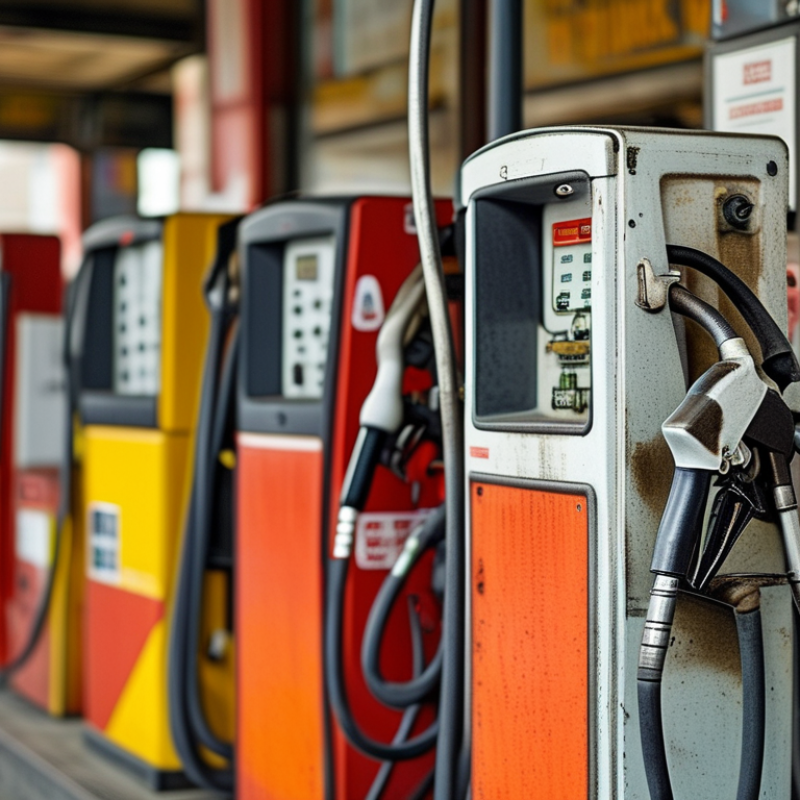
How to Choose the Best Gas Fuel Transfer Pump for Your Needs?

Understanding Your Fuel Transfer Requirements

When selecting a gas fuel transfer pump, it's crucial to understand your specific fuel transfer requirements. Assess the volume of fuel you need to transfer regularly. Are you moving fuel for vehicles, equipment, or generators? Different applications call for varying pump capacities. Larger volumes demand more powerful pumps. Smaller operations might suffice with standard models.

Consider the distance the fuel will travel. Pumps with longer hose lengths may be necessary for distant tanks. Pay attention to the type of fuel you'll transfer. Different fuels can require unique pump features. Some pumps are designed for gasoline, while others work better with diesel or kerosene. It’s key to ensure the pump materials are compatible with your fuel type.

Think about power sources. Will you use electricity, batteries, or manual operation? Electric pumps can be efficient but require reliable power sources. Portable pumps may need battery power for ease of use in remote locations. Reflect on your fuel transfer environment, too. If your area is prone to spills, opt for pumps with safety features like automatic shut-off. Understanding these factors will guide you in making informed decisions.

Types of Gas Fuel Transfer Pumps Available

When selecting a gas fuel transfer pump, it's essential to understand the different types available. Common options include electric pumps, manual pumps, and pneumatic pumps. Electric pumps are widely used for their efficiency. They are suitable for high-volume transfers and can run continuously. In contrast, manual pumps require physical effort but are portable and often less expensive. They work well for smaller tasks.

Pneumatic pumps use air pressure and are great for areas with limited electrical access. Each type has its advantages and disadvantages. Electric pumps can break down and necessitate repairs. Manual pumps may cause fatigue with prolonged use. Finding the right fit requires careful consideration of your specific needs and usage frequency. It's crucial to assess the volume of fuel, the transfer rate, and the location of use.

Choosing a pump involves balancing reliability and functionality. A high-capacity electric pump might provide quick transfers, yet it could overheat. Manual pumps might not withstand rigorous demands. Understanding these nuances helps ensure you select a pump tailored to your tasks, ultimately enhancing your fueling operations.

Key Features to Consider When Choosing a Pump

When selecting a gas fuel transfer pump, several key features warrant careful consideration. Output flow rate is critical; pumps typically range from 10 to 30 gallons per minute. A higher flow rate means efficiency. However, it's essential to match the pump's capacity with your specific needs. Oversized pumps can lead to wastage and energy inefficiency.

Durability is another vital aspect. Look for pumps made from quality materials like stainless steel or reinforced plastic. According to a report from the National Institute of Standards and Technology, durability can extend a pump's lifespan significantly. Maintenance requirements should not be overlooked. Pumps that are easy to clean and service will save time and costs in the long run.

Safety features are non-negotiable in fuel transfer. Automatic shut-off valves and emergency stop buttons are essential for preventing spills. Detailed documentation from safety agencies indicates that equipment with robust safety protocols can reduce accidents by as much as 40%. Selecting a pump that integrates these features reflects a commitment to safety and reliability, catering to both commercial and personal use.

Factors Affecting Pump Performance and Efficiency

When considering a gas fuel transfer pump, several factors greatly impact its performance and efficiency. The pump type is essential. Diaphragm pumps generally work well for transferring fuel safely. However, some users may find them less efficient for high volume transfers. Gear pumps are often chosen for quicker flow rates but may be less reliable for smaller tasks. Understanding your specific needs is crucial for making the right choice.

Another critical aspect is the pump's flow rate, measured in gallons per minute (GPM). A higher flow rate can speed up the transfer process. Yet, it often leads to higher wear and tear over time. Conversely, a lower flow rate may extend the life of the pump but can be frustrating in urgent scenarios. It's worth contemplating how often you will use the pump. For occasional tasks, a less powerful model may suffice.

The design of the pump also affects how easily it can be operated and maintained. Some models are bulkier and can be hard to transport. Users need to consider their own strength and handling ability. Maintenance is another critical factor, as constant upkeep will ensure longevity. Regular checks can also prevent surprises. Balancing these elements can lead to a better purchasing decision. Thus, reflecting on these factors will yield better results in choosing the right gas fuel transfer pump for your needs.

Gas Fuel Transfer Pump Performance Comparison

This bar chart compares the performance of different gas fuel transfer pumps based on their flow rate and efficiency. Pump A to E represent different models that vary in their capacity and effectiveness. Selecting an optimal pump depends on understanding these key performance factors.

Installation and Maintenance Tips for Longevity

When selecting a gas fuel transfer pump, proper installation and maintenance are crucial for optimal performance. A well-installed pump functions efficiently, reducing the risk of leaks and enhancing safety. Inadequate installation can lead to equipment failures or hazards. According to industry reports, more than 30% of pump failures are attributed to improper installation. Ensuring all connections are tight and secure can minimize these risks.

Regular maintenance is essential to prolong the lifespan of your fuel transfer pump. Scheduled inspections help identify wear and tear before they escalate. Cleaning filters and checking seals regularly can prevent many common issues. Statistics from maintenance studies reveal that a proactive approach can extend equipment life by up to 50%. Operators should also monitor operational parameters, like flow rate and pressure, to ensure optimal performance and identify irregularities early on.

Neglecting maintenance can lead to leaks and inefficiencies. It’s important to develop a routine that includes daily checks and thorough inspections at set intervals. Streamlining these practices increases reliability and fosters a safer working environment. Fuel transfer systems can be complex, and even minor oversights can have serious repercussions. Awareness and diligence in maintenance routines are key components in a successful system.

How to Choose the Best Gas Fuel Transfer Pump for Your Needs? - Installation and Maintenance Tips for Longevity

Feature Description Important Considerations
Pump Type Electric, Manual, or Pneumatic Choose based on your efficiency needs and power source availability.
Flow Rate Measured in gallons per minute (GPM) Higher GPM for quicker transfers; consider how much fuel you need to transfer.
Portability Weight and ease of transport If you need to move it frequently, consider lightweight models with ergonomic handles.
Compatibility Compatible with types of fuels (gasoline, diesel, etc.) Ensure the pump is rated for the fuel you will use.
Safety Features Overheat protection, automatic shutoff Look for safety features that prevent accidents during use.
Maintenance Requirements Frequency of servicing and parts replacement Consider how easy it is to maintain over time.
Price Initial cost and long-term value Balance between upfront cost and durability/performance.
Select Electrical Logo
Since 1988

Select Electrical Ltd. © Copyright 1988-2025