
How to Choose the Best Compressor Boring Machine in 2026?

Choosing the right Compressor Boring Machine in 2026 requires more than comparing power ratings and purchase prices. Ground conditions, bore diameter, rock hardness, ventilation, project length, and available technical support can change the decision completely. A machine that performs well in compact clay may struggle in fractured rock. Small details matter, too. Hose routing, cutter access, control visibility, and maintenance space can affect every working shift.

Tunneling equipment specialist Dr. Michael F. Roach advises, “Select the machine for the ground you have, not the ground you hope to meet.” This principle deserves careful attention. Before reviewing models, contractors should examine geological reports, previous site records, and expected production targets. They should also ask manufacturers for documented field performance, service response times, and realistic operating costs. A low purchase price can become expensive when spare parts arrive slowly.

The best Compressor Boring Machine should match the whole project, not one impressive specification. Evaluate torque, thrust, compressor capacity, cutter design, monitoring systems, operator protection, and energy consumption together. Check whether the supplier can provide training and local support. Ask difficult questions. Some data sheets look precise but reveal little about performance in mixed ground.

No checklist is perfect. Site surprises remain possible. My own preference would be a slightly less powerful machine with dependable support, clear diagnostics, and accessible maintenance. That choice may seem cautious. It is. In 2026, reliable production, safer operation, and predictable ownership costs often matter more than maximum headline performance.
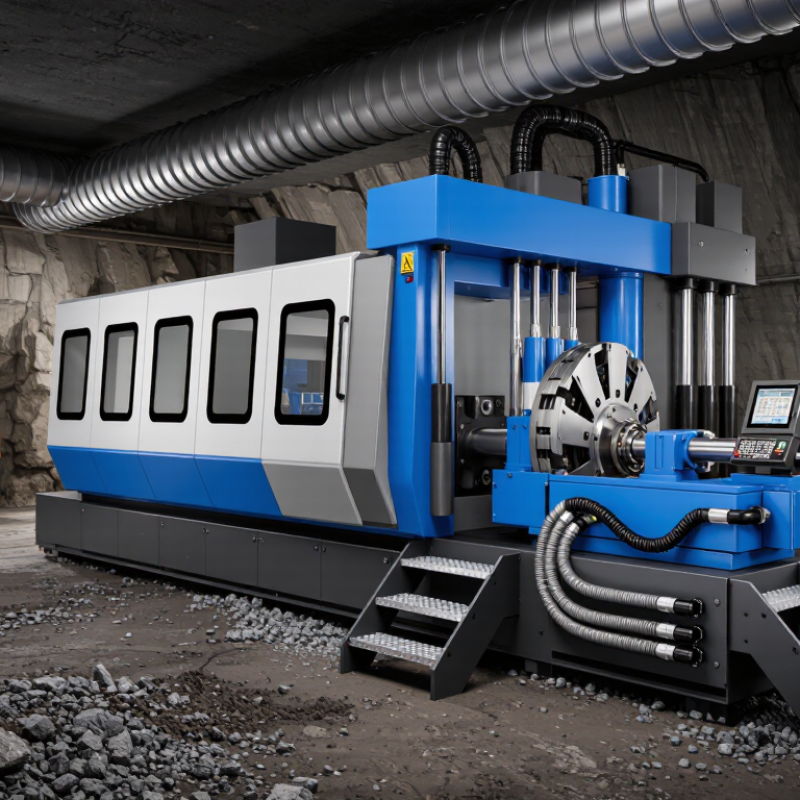
How to Choose the Best Compressor Boring Machine in 2026?

Understanding Compressor Boring Machines and Their Main Applications

How to Choose the Best Compressor Boring Machine in 2026?

A compressor boring machine uses compressed air to drive rotation, percussion, or both. It creates narrow underground passages with limited surface excavation. Contractors use these machines for utility conduits, drainage pipes, cable routes, and geotechnical sampling. They are especially useful beneath roads, railways, gardens, and active factory floors. Real soil is less polite than a product brochure. Clay may clog tooling, while fractured rock can reduce cutting accuracy. Choose equipment according to ground conditions, bore diameter, entry space, and required depth.

Air performance deserves careful attention. The U.S. Department of Energy reports that compressed air can consume about 10% of industrial electricity. Its guidance also notes that leakage may waste 20–30% of compressor output. Therefore, compare required airflow, pressure stability, hose length, and filtration quality. A machine with high advertised power may perform poorly after pressure losses. I would not treat catalog capacity as field capacity. The Compressor and Gas Institute’s technical guidance also emphasizes matching compressor output with changing load conditions. That matters during long drilling cycles. Look for adjustable controls, visible pressure readings, accessible filters, and documented maintenance intervals. Safety systems should control stored energy and protect workers from flying debris. Independent test records are preferable to vague performance claims. In 2026, quieter operation and lower fuel consumption should influence selection, but ground compatibility remains the harder judgment.

Defining Project Requirements Before Selecting a Machine

How to Choose the Best Compressor Boring Machine in 2026?

Defining Project Requirements Before Selecting a Machine

Choosing a compressor boring machine starts with the ground, not the machine catalogue. Record soil layers, rock hardness, groundwater, and expected bore depth. A six-meter test hole may reveal loose gravel that changes the entire plan. Speak with a geotechnical specialist when conditions remain uncertain. Guessing here can become expensive.

Define the required hole diameter and drilling angle. Then measure the working space, access route, and overhead clearance. A powerful machine is useless if it cannot pass through a narrow gate. Check compressor pressure, air volume, rod length, and cooling performance against the drilling method. Experienced operators also calculate transport weight and setup time. Small details matter.

Think about daily operation, not only purchase specifications. Ask how quickly filters, hoses, and drill bits can be inspected. Confirm that replacement parts and trained service support are available in your region. Noise, dust control, fuel use, and operator visibility also affect productivity and site safety. I have seen project estimates focus heavily on drilling speed while ignoring hose damage and cleanup time. That approach looks efficient on paper. It often fails outdoors. Leave capacity for harder ground and unexpected delays, but avoid paying for power the project cannot use. Review the plan with the operator before selecting the final configuration.

Comparing Power, Boring Capacity, and Operating Performance

How to Choose the Best Compressor Boring Machine in 2026?

Power should match the compressor’s real air delivery, not only its advertised horsepower. Check working pressure, airflow, and pressure stability under load. A machine may start strongly, then slow when the bore reaches dense rock. That detail matters. Field operators should compare torque, impact rate, and recovery after each drilling cycle. Higher power helps difficult ground, but it can increase fuel use, vibration, and maintenance needs.

Boring capacity must fit the planned diameter, depth, and ground conditions. Review the maximum rod length and the machine’s ability to clear cuttings. In narrow spaces, a smaller frame may outperform a larger unit because positioning is easier. Operating performance also includes cycle time, control response, noise, dust management, and access to service points. A useful machine should remain stable on uneven ground. However, published capacity can look optimistic when soil becomes wet or fractured. Test results from similar sites deserve more attention than catalogue figures.

Tips: Measure actual compressor output before buying. Ask for performance data in comparable ground. Check whether operators can reach filters, hoses, and lubrication points safely. Watch one complete boring cycle if possible. Small delays become expensive. Also, leave a margin below maximum capacity; constant operation at the limit often reduces reliability.

Evaluating Durability, Safety Features, and Maintenance Needs

Choosing the best compressor boring machine in 2026 requires more than comparing drilling speed. Durability should be visible in the frame, joints, hoses, and control cabinet. Inspect welds for hairline cracks. Check whether seals remain flexible after repeated pressure cycles. A machine with excessive vibration may be hiding worn bearings or poor alignment. That small movement can become an expensive failure.

Safety features deserve equal attention. Look for guarded rotating parts, a clearly marked emergency stop, pressure relief protection, and stable footing. Controls should remain readable when dust covers the panel. Operators also need safe access to filters, valves, and service points. A cramped maintenance area encourages shortcuts. That is a design weakness.

Maintenance needs are often underestimated. Ask for a practical service schedule, not vague promises. Daily checks should include air leaks, oil levels, hose damage, and unusual sounds. Record pressure readings and operating hours. Replace filters before contamination reaches the compressor head. Use manufacturer-approved specifications, but verify them against local operating conditions. Heat, dust, and long shifts can change service intervals. No checklist catches every failure. I have seen clean machines fail because one loose fitting was ignored. Choose equipment that makes inspection simple, documents faults clearly, and allows trained technicians to reach critical parts without dismantling half the machine.

How to Choose the Best Compressor Boring Machine in 2026? – Evaluating Durability, Safety Features, and Maintenance Needs
Machine Category Typical Boring Application Common Hole Diameter Range Typical Air Requirement Durability Considerations Essential Safety Features Routine Maintenance Needs Overall Suitability
Compact Pneumatic Boring Machine Small utility passages, soil investigation, light-duty trenchless work, and confined-site operations. Approximately 50–150 mm Approximately 3–7 bar working pressure; air volume depends on the hammer, bit, and ground conditions. Choose a reinforced frame, protected air lines, corrosion-resistant fittings, and replaceable wear bushings. Compact units are easier to transport but generally have lower continuous-duty capacity. Emergency stop, guarded rotating parts, hose whip restraints, pressure relief protection, and clearly marked operating controls. Daily inspection of hoses, couplings, lubrication, fasteners, and drill bits. Clean the air filter and drain moisture from the air system as required. Best for portability
Crawler-Mounted DTH Boring Machine Water-well drilling, construction foundations, geotechnical investigation, and medium-depth rock boring. Approximately 90–250 mm Typically 12–30 bar at the drill, with compressor capacity selected according to the required hole size and depth. Look for a heavy steel chassis, protected hydraulic components, dust-resistant track assemblies, and a feed system designed for continuous loading. Hydraulic overload protection, emergency stop, anti-entanglement guards, stable track braking, hose protection, and a rollover-resistant operator position. Check hydraulic oil, engine fluids, track tension, air-line fittings, drill-string threads, and filter condition. Inspect structural welds and feed rails regularly. Best all-round option
Heavy-Duty Rotary-DTH Combination Rig Large-diameter production boring, deep geotechnical work, quarry operations, and demanding rock formations. Approximately 150–400 mm or more, depending on the configuration Often 20–35 bar or higher; the compressor must provide sufficient free-air delivery for the selected drilling tools. Prioritize a high-capacity feed beam, reinforced mast, durable rotary head, sealed bearings, and service access for high-cycle components. Interlocked controls, emergency shutdown circuits, pressure monitoring, mast and feed guards, overload protection, dust suppression, and secure access platforms. Requires scheduled servicing of the engine, compressor, hydraulic system, rotary head, filters, bearings, and drill-string components. Maintenance planning is essential. Best for production work
Electric or Hybrid Low-Emission Rig Urban construction, indoor or semi-enclosed sites, noise-sensitive projects, and operations with strict emissions requirements. Approximately 75–250 mm, depending on the drilling package Air demand is determined by the drilling tool; electrical or hybrid power reduces engine idling but does not remove the need for correctly sized compressed air. Battery enclosures, electric motors, and control systems should have suitable ingress protection. Thermal management and charging reliability are important for sustained operation. Electrical isolation, battery monitoring, ground-fault protection, emergency stop, guarded cables, thermal alarms, and clear lockout/tagout procedures. Inspect cables, connectors, cooling systems, battery condition, filters, lubrication points, and software fault records. Follow the prescribed high-voltage service procedures. Best for controlled environments
Trailer-Mounted Boring Package Road-accessible utility work, short-duration projects, and sites where frequent relocation is required. Approximately 50–200 mm Commonly 7–25 bar, depending on the compressor and boring tool selected. Inspect the trailer frame, axle rating, tow connection, stabilizers, and corrosion protection. Mobility improves productivity but adds transport-related wear points. Trailer brakes, lighting, wheel chocks, stabilizer locks, emergency stop, hose restraints, and secure storage for tools and drill rods. Check tires, wheel bearings, brakes, tow hardware, stabilizers, hoses, compressor oil, filters, and fasteners before every mobilization. Best for frequent relocation
High-Pressure Rock Boring Rig Hard-rock formations, deep holes, quarry drilling, and applications requiring high flushing performance. Approximately 100–300 mm Often 20–35 bar or more, with air volume matched to the down-the-hole hammer and borehole diameter. Use abrasion-resistant drill pipes, hardened wear surfaces, robust compressor cooling, and a feed system rated for high impact and vibration loads. High-pressure relief valves, pressure gauges, hose whip checks, impact guards, remote shutdown, dust control, and exclusion zones around the drill string. Inspect high-pressure hoses, couplings, valves, compressor separators, filters, drill bits, hammer seals, and pipe threads. Replace damaged pressure components immediately. Best for hard rock
Selection note: The listed values are typical engineering ranges rather than specifications for a particular machine. Final selection should be based on required hole diameter and depth, ground conditions, compressor free-air delivery, working pressure, transport limits, applicable safety regulations, local service support, and the manufacturer’s maintenance schedule.

Balancing Purchase Cost, Productivity, and Long-Term Value

How to Choose the Best Compressor Boring Machine in 2026?

Purchase price is only the visible cost. A compressor boring machine also consumes power, drilling tools, labor time, and maintenance hours. The U.S. Department of Energy notes that compressed-air leaks can waste 20–30% of system capacity. That waste becomes expensive during long shifts. Compare output per hour, air consumption, hole accuracy, and service intervals. A machine saving two minutes per hole may repay a higher purchase cost sooner than expected. Productivity data must come from similar rock, depth, and working conditions. Catalog figures can be optimistic.

Long-term value also depends on operator safety, spare-part availability, and downtime control. The International Energy Agency continues to highlight industrial efficiency as a major energy-saving opportunity. Therefore, monitor fuel or electricity use per drilled meter, not only daily production. A practical calculation should include expected utilization, compressor efficiency, tool wear, and lost hours. The answer may change after one difficult project. That is worth accepting.

Tips: Request a site trial before purchase. Record meters drilled, air pressure, energy use, and breakdown minutes. Check the compressor’s performance at peak demand. Inspect hose connections for leaks. Ask for maintenance records, training support, and realistic parts lead times. Use a three-year ownership model, not a showroom price. Lower cost is not always lower risk.

How to Choose the Best Compressor Boring Machine in 2026?

Balancing purchase cost, productivity, and long-term value

The comparison uses representative 2026 planning benchmarks for three compressor boring machine capacity classes. Five-year total cost of ownership includes the initial purchase price, routine maintenance, and energy or fuel costs, while excluding labor, financing, taxes, and site-specific drilling conditions. Higher-output machines cost more initially but can deliver better value when consistent productivity is required.

Select Electrical Logo
Since 1988

Select Electrical Ltd. © Copyright 1988-2025