
How to Choose the Best Hardware BMS for Your Needs?

In today’s tech-driven world, choosing the right Hardware BMS (Battery Management System) is crucial for optimizing battery performance. A good Hardware BMS enhances safety, longevity, and efficiency. However, many users overlook important factors while selecting one, leading to potential issues.

There are countless options available. Each Hardware BMS comes with its features and functions. It's essential to determine your specific needs before making a choice. Do you prioritize safety, or is efficiency your main concern? Each decision carries weight. Remember, not all solutions are perfect. Some may lack adaptability.

Informed choices enhance reliability and performance. Evaluating specifications becomes vital to ensure a good match. The right Hardware BMS will support your battery system effectively, preventing future regrets. Always consider past experiences and expert recommendations to guide your decision.
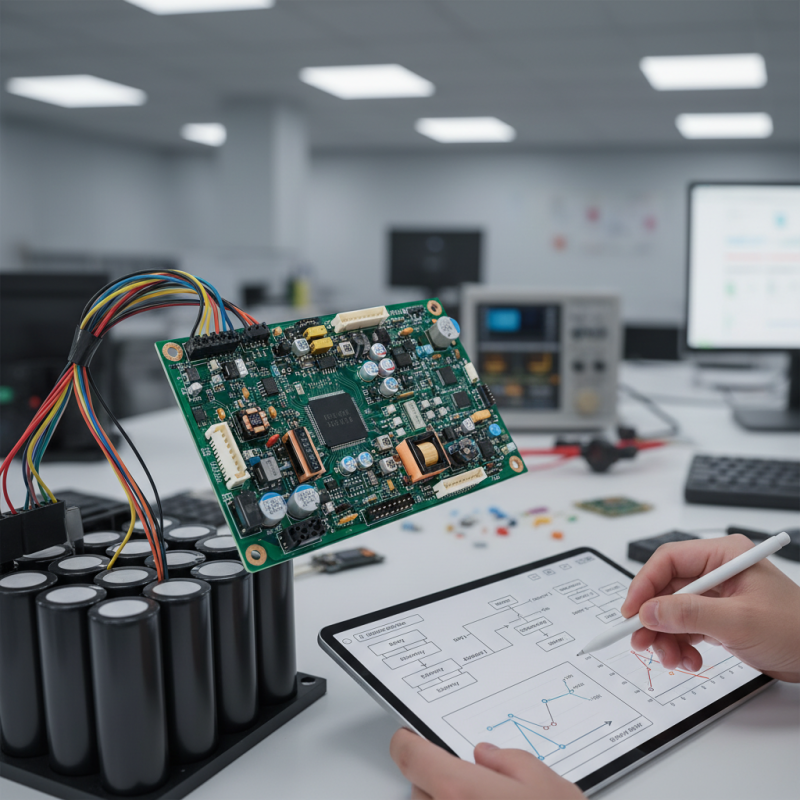
How to Choose the Best Hardware BMS for Your Needs?

Understanding the Basics of Battery Management Systems (BMS)

Battery Management Systems (BMS) play a crucial role in modern energy storage solutions. They ensure optimal performance and safety of battery packs. A reliable BMS can monitor battery health, prevent overcharging, and extend lifespan. According to industry data, a well-designed BMS can increase the cycle life of lithium-ion batteries by up to 30%. This is vital in applications ranging from electric vehicles to renewable energy storage.

Understanding BMS involves knowing its core functions. These systems measure voltage, current, and temperature across multiple cells. They manage cell balancing, which prevents some cells from underperforming. A recent report indicated that poor cell balancing could reduce the overall system efficiency by 10%. Yet, not all BMS solutions are created equal. Some may lack the necessary features for specific applications, leading to inefficiencies.

The need for customization cannot be overlooked. Different battery chemistries require tailored BMS features. For example, lithium iron phosphate batteries perform differently from nickel-cobalt-aluminum batteries. The right BMS can enhance safety and performance. However, many users overlook this aspect, leading to mismatched systems. Understanding the basics of BMS is the first step in making informed decisions.

Identifying Your Specific Power Requirements and Applications

Choosing the right battery management system (BMS) means understanding your specific power needs. Different applications have varied requirements. For instance, electric vehicles typically need higher discharge rates, while stationary storage systems prioritize longevity. Knowing these details helps you find a suitable BMS.

Consider factors like voltage, capacity, and operational environment. According to a report by MarketsandMarkets, the global BMS market is projected to reach $17.86 billion by 2025. This growth hints at the urgent need for reliable systems that adapt to emerging technologies. It's important to evaluate several options to ensure you select a BMS that can handle your peak power demands.

Tips: Identify your peak load and cycle life needs early. These factors directly influence your BMS choice. Keep in mind the compatibility with different battery chemistries as well. Many users overlook the importance of firmware updates, which can enhance the BMS functionalities post-purchase. Integration with your existing systems could also present unforeseen challenges. Taking these considerations into account can guide your decision-making process effectively.

How to Choose the Best Hardware BMS for Your Needs? - Identifying Your Specific Power Requirements and Applications

Parameter Description Value Range Application
Voltage Nominal voltage of the battery system. 12V - 48V Electric vehicles, solar storage
Current Capacity Maximum current the BMS can handle. 20A - 200A Power tools, EVs
Cell Balancing Type of cell balancing used. Passive, Active Energy storage, electric vehicles
Temperature Range Operating temperature range for the BMS. -20°C to 60°C Electric cars, outdoor energy systems
Communication Protocol How the BMS communicates with other systems. CAN, UART, RS485 Automotive, home energy systems

Evaluating Key Features of Hardware BMS Options

Choosing a hardware Battery Management System (BMS) requires careful consideration of several key features. One crucial aspect is cell monitoring. A reliable BMS should track each cell's voltage, temperature, and state of charge. This ensures safety and optimizes battery performance. Look for systems that offer real-time data. It helps in identifying issues before they escalate.


Another important feature is communication capabilities. Many BMS options include protocols that allow integration with other systems. This adds versatility and can enhance functionality. Ensure the chosen BMS supports industry-standard communication methods. It can be a significant advantage for future upgrades or expansions.


Consider the thermal management options as well. Effective heat dissipation is vital for battery longevity. Some BMS designs provide advanced thermal management solutions. These can help maintain optimal operating conditions. Reflect on your specific requirements here. Choices may vary based on battery type and application.

Balancing these features can be challenging, but it is essential for long-term reliability.

Assessing Compatibility with Existing Battery Systems

When selecting a Battery Management System (BMS), compatibility with your existing battery systems is crucial. An ideal BMS should seamlessly integrate with the batteries you already have. This ensures optimal performance and durability. You need to assess factors like voltage ratings, cell chemistry, and configuration. If these parameters don't match, you risk inefficient energy management.

Another detail to consider is communication protocols. A BMS must support the protocols used by your battery systems for effective data exchange. Incompatibility can lead to inaccurate monitoring and control. It's not just about matching specifications; understanding how different components interact is vital. Review your current setup and ensure all parts can work together harmoniously.

Observation and reflection are essential in this process. You might find that some systems, which seemed compatible on paper, don't provide the expected performance in real-world conditions. Collect data from actual usage before making a commitment. This step can uncover hidden issues that require attention. Prioritize a thorough compatibility assessment to ensure a well-functioning BMS tailored to your needs.

Battery Management System Compatibility Assessment

This chart illustrates the compatibility of various Hardware Battery Management Systems (BMS) with existing battery technologies. The data depicts the percentage of compatibility for lithium-ion, lead-acid, and nickel-metal hydride batteries with different BMS models.

Comparing Costs and Support Options for Long-term Use

When selecting a hardware Battery Management System (BMS), understanding costs and support options is vital. Many systems come with varying price points. It’s essential to evaluate not only the initial cost but also long-term expenses. Often, lower upfront costs can lead to higher operational costs later. This trade-off requires careful consideration.

Support options are equally important. Look for providers that offer comprehensive customer service. Some may provide 24/7 support, while others offer only standard business hours. A reliable support network can save considerable headaches in the long run. Research user reviews to gauge the experience of others with their support services.

Not all BMS solutions fit every application. Some users may find that their initial choice lacks critical features. Upgrading can be costly and time-consuming. Assess your specific needs before choosing. Factors like battery chemistry, system size, and usage frequency play a significant role. Aim for a balance of cost, features, and support for the best long-term satisfaction.

Select Electrical Logo
Since 1988

Select Electrical Ltd. © Copyright 1988-2025