How to Choose the Right Electrical Breakers for Your Home?

Choosing the right electrical breakers for your home can seem daunting. These critical devices protect your electrical system from overloads and short circuits. Selecting the most suitable electrical breakers is essential for safety and efficiency.

Understanding the specifics of electrical breakers is vital. Know the current rating, voltage, and type that suit your home. The right breakers not only ensure safety but also optimize performance. However, you may find conflicting information online. This can lead to confusion and mistakes in choices.

Reflecting on your needs is crucial. Are you renovating or building anew? What appliances do you use? These factors play a significant role in decision-making. Seeking professional advice might help clarify complexities. Remember, a poor choice can lead to serious consequences. Prioritize reliability in your selection process to safeguard your home.
How to Choose the Right Electrical Breakers for Your Home?

Understanding the Basics of Electrical Breakers and Their Functions

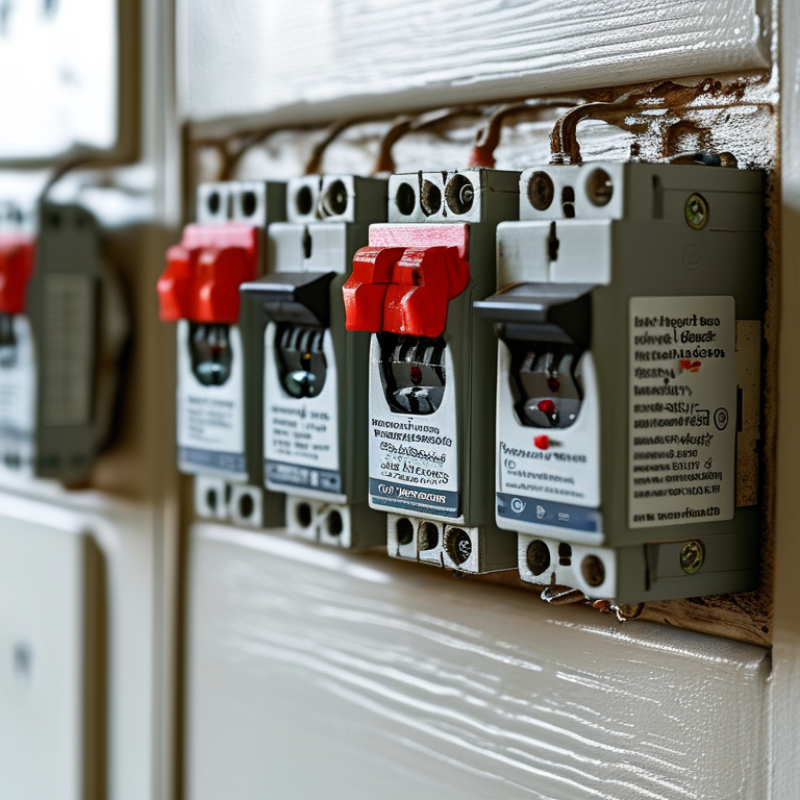
Electrical breakers play a crucial role in home safety. They protect your electrical system by interrupting the flow of electricity during overloads or faults. Understanding how they function helps you make informed choices. Breakers monitor electrical currents, ensuring that they stay within safe limits. When a current exceeds its threshold, the breaker trips, preventing potential damage to appliances and wiring.

There are two primary types of breakers: circuit breakers and ground fault circuit interrupters (GFCIs). Circuit breakers guard against overloads, while GFCIs protect against electrical shocks in wet areas. Choosing the right type depends on where you intend to install them. For instance, kitchens and bathrooms require GFCIs due to moisture.

Selecting the appropriate amperage is essential, too. Most home circuits use 15 or 20 amp breakers. However, larger appliances like dryers may need 30 amps. Miscalculating can lead to frequent tripping or, conversely, overheating wires. Always double-check the requirements of your home’s electrical system prior to installation, as incorrect breakers can create hazards. If in doubt, consult a qualified electrician.

Different Types of Electrical Breakers Available for Home Use

When selecting electrical breakers for home use, it’s essential to understand the different types available. Residential properties generally utilize two main breaker types: standard circuit breakers and ground fault circuit interrupters (GFCIs). According to the National Electrical Manufacturers Association (NEMA), circuit breakers protect against overloads and short circuits. They come in various amperages, commonly ranging from 15 to 200 amps. This allows homeowners to tailor their electrical systems for specific needs.

GFCIs are crucial in areas with moisture. They prevent electrical shocks by shutting off power when detecting imbalances in current. The U.S. Consumer Product Safety Commission (CPSC) states that GFCIs can reduce electrocution risks by over 80%. While most homes have standard circuit breakers, integrating GFCIs is a wise choice for safety, especially in bathrooms and kitchens.

Another type is the arc fault circuit interrupters (AFCIs). These breakers detect arc faults that can lead to fires. The National Fire Protection Association (NFPA) reported that AFCIs could prevent over 50% of electrical fires. Despite their advantages, not all homes have AFCIs installed, indicating a gap in safety measures. Each breaker type serves a unique purpose, so understanding them enhances home safety and performance.

Factors to Consider When Selecting Electrical Breakers

When selecting electrical breakers, consider several important factors. Assess the amperage needs of your home. Breakers should match the capacity of your electrical system. Overloading can lead to outages or fires. Pay attention to the voltage rating as well, ensuring it aligns with your home’s wiring.

The type of breaker also matters. Standard breakers work for most home situations. However, if you have specific needs, consider ground fault circuit interrupters (GFCIs) or arc fault circuit interrupters (AFCIs). These specialized breakers enhance safety in areas prone to moisture or where wiring issues may occur.

Tips: Always check the local code requirements before making a choice. Local rules might dictate specific breaker types for safety. Consult a professional if you're unsure about the specifications your home requires. Reliable installation is as crucial as the breaker itself. Mistakes can create vulnerabilities in your electrical system.

Budget considerations are also significant. High-quality breakers tend to cost more, but their reliability can help prevent costly damage. Investing wisely here may save you headaches in the long run. Be cautious about cut-rate options; they might not offer the same level of protection.

Calculating the Required Breaker Size for Your Home's Electrical System

When calculating the required breaker size for your home's electrical system, accuracy is key. Start by determining your total electrical load. List all your appliances and their wattage. For example, a refrigerator may use 750 watts, while an electric oven might consume 3000 watts. Summing these gives you a clearer picture of how much power you need.

To find the right breaker size, apply the 80% rule. This guideline suggests you should only use 80% of the breaker's capacity. For instance, a 20-amp breaker can safely handle 16 amps. If your total load is 15 amps, a 20-amp breaker is suitable. This buffer helps prevent tripping during peak usage.

Tips: Always round up when choosing a breaker. If your calculations suggest a 15-amp breaker, opt for a 20-amp one. Not all homes have the same needs. Consider future expansion when sizing your breaker. Installing larger breakers now can save you from costly upgrades later. Understanding your electrical capacity ensures your safety and efficiency. This careful planning reflects responsible homeownership.

How to Choose the Right Electrical Breakers for Your Home?

Application Recommended Breaker Size (Amps) Typical Wire Size (AWG) Notes
Lighting Circuits 15 14 Standard circuits for general lighting.
Receptacle Circuits 20 12 Used for standard outlets, kitchen, and bathroom.
HVAC Systems 30 10 For air conditioning and heating units.
Water Heater 30 10 For electric water heaters commonly used.
Kitchen Appliances 40 8 Used for heavy kitchen appliances like ovens.

Common Mistakes to Avoid When Choosing Electrical Breakers

When choosing electrical breakers, many homeowners overlook crucial factors. One common mistake is underestimating the amperage needed. According to the National Electrical Manufacturers Association (NEMA), insufficient amperage can lead to frequent tripping and even safety hazards. It's essential to evaluate your home's power requirements based on the devices used.

Another frequent error is neglecting the type of breaker. Some homeowners automatically opt for standard breakers, ignoring alternatives like Ground Fault Circuit Interrupters (GFCIs) or Arc Fault Circuit Interrupters (AFCIs). These specialized breakers enhance safety. In fact, the U.S. Consumer Product Safety Commission reports a significant decrease in electrical accidents when GFCIs are properly installed.

People often fail to consider compatibility with existing systems. Mixing different brands or models can lead to inefficiencies. Additionally, improperly rated breakers can operate outside safety standards. It's crucial to consult a qualified electrician to avoid conflicts in your electrical system. Paying attention to these details can ensure a safer, more reliable electrical setup in your home.

Select Electrical Logo
Since 1988

Select Electrical Ltd. © Copyright 1988-2025