How to Choose the Right Motor Starters?
Choosing the right motor starters is more than matching a motor’s voltage and horsepower. The starter affects starting current, mechanical stress, protection, maintenance, and operating reliability. A small workshop pump may tolerate a simple direct-on-line starter. A loaded conveyor may need reduced-voltage starting or variable speed control. The difference becomes obvious when belts jerk, lights flicker, or breakers trip during startup.
A practical selection begins with the motor nameplate and the driven machine. Check voltage, rated current, frequency, duty cycle, starting load, and enclosure conditions. Then compare contactor ratings, overload protection, short-circuit coordination, and control requirements. A starter installed near a dusty compressor needs different protection from one inside a clean control cabinet. Manufacturer documentation and recognized electrical standards provide dependable reference points. Field experience matters too. Cable length, ambient heat, frequent starts, and poor ventilation can change the result.
There is no universal best option.
A neat spreadsheet can still mislead. I have seen technically correct selections perform poorly because the real load was heavier than expected. For that reason, this guide considers both calculated values and operating evidence. It explains how direct-on-line, star-delta, soft starters, and related motor starters fit different applications. It also highlights common mistakes, including undersized overloads, unsuitable enclosures, and ignoring restart conditions. The goal is not merely to make a motor run. It is to create a starting system that operates predictably, protects equipment, and remains practical to inspect and maintain. Always verify the final design with qualified professionals and current manufacturer instructions.
Understanding Motor Starter Functions and Operating Principles
How to Choose the Right Motor Starters?
Understanding Motor Starter Functions and Operating Principles
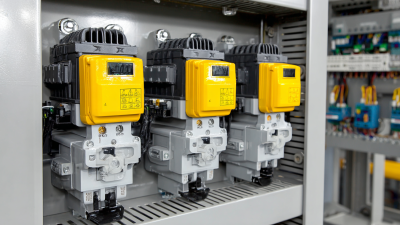
A motor starter controls how an electric motor begins, runs, and stops. It limits starting stress and protects the motor from common electrical faults. When a motor starts, it can draw several times its normal current. A starter manages this demand through switching and protection components. A contactor connects power to the motor, while an overload relay monitors excessive current. If the motor works too hard, the relay can open the circuit and prevent overheating.
Different motors require different starting methods. A direct-on-line starter applies full voltage immediately, making it simple and economical. However, it may create a strong current surge and mechanical shock. Reduced-voltage starters provide a gentler acceleration, which helps pumps, fans, and conveyors. In my experience, matching the starter to the load matters more than choosing the most advanced option. A careful check of motor voltage, rated current, phase arrangement, starting frequency, and enclosure conditions is essential. I still double-check these details, because a small mismatch can cause repeated trips.
Tips: Check the motor nameplate first. Confirm the starter’s current rating and overload range. Consider dust, moisture, temperature, and available space. Test the stop circuit before normal operation. A simple inspection can reveal loose terminals or unusual vibration. Sometimes, the obvious choice is wrong.
Identifying Motor Requirements and Application Conditions
How to Choose the Right Motor Starters?
Identifying Motor Requirements and Application Conditions
Choosing a motor starter begins with the motor nameplate, not guesswork. Record the rated voltage, phase, frequency, full-load current, and service factor. The starting method must match the motor’s inrush current. A direct-on-line starter may suit a small pump, but it can disturb sensitive equipment during acceleration. Larger motors may need reduced-voltage starting to limit voltage drop.
Study the application closely. A conveyor starting under load needs different protection from a fan starting freely. Check the load torque, acceleration time, starts per hour, and reversing frequency. Short cycling can overheat contacts and overload devices. Ambient temperature matters too. Dust, moisture, vibration, and altitude can change enclosure and cooling requirements. Measure the actual conditions when possible. Catalog data alone can mislead.
I once reviewed a motor installation that appeared correctly sized, yet its overload trips occurred every afternoon. The hidden cause was a warmer enclosure and repeated starts. That experience reinforced a simple rule: examine operating patterns, not only ratings. Select overload protection according to the motor’s current and duty, then verify short-circuit coordination and control-circuit voltage. Include emergency stopping and isolation provisions suitable for the equipment. A starter can be electrically correct but operationally poor if maintenance access is cramped. Leave room for inspection. Also question the specification itself; a conservative choice is not always the most efficient one.
Comparing Direct-On-Line, Star-Delta, Soft Starters, and VFDs
How to Choose the Right Motor Starters?
Choosing a motor starter begins with the load, not the catalogue. Direct-On-Line starters are simple, inexpensive, and easy to troubleshoot. They apply full voltage immediately. Starting current can reach six to eight times rated current. That shock may trip protection or strain belts, pumps, and couplings. Star-delta starters reduce initial current, but torque also falls sharply. They suit unloaded fans and pumps better than loaded conveyors. The U.S. Department of Energy reports that motor-driven systems can represent more than half of industrial electricity consumption, so starting performance deserves careful attention.
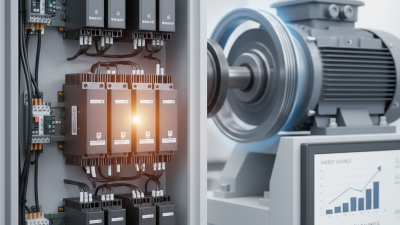
Soft starters ramp voltage gradually and reduce mechanical stress during acceleration. They usually provide limited speed control after startup. Variable frequency drives control both motor speed and frequency. They can reduce energy use on variable-torque loads, especially where flow is regulated by throttling. The International Energy Agency estimates that electric motor systems consume about half of global electricity. Small efficiency gains matter. Still, a VFD may add harmonics, cooling concerns, and setup complexity.
Tips: Record starting current with a clamp meter. Check the load torque at zero speed. Confirm the motor’s rated current, enclosure, and duty cycle. A neat rule can mislead. A VFD is not automatically the best answer. In commissioning work, an oversized starter often hides poor load assessment. Review the acceleration time, protection settings, and stopping behavior before approval.
Selecting Protection, Control, and Compatibility Features
Choosing a motor starter means matching protection, control, and compatibility to the real operating environment. A starter should protect against overloads, phase loss, short circuits, and repeated starts. It must also suit the motor’s rated current, voltage, duty cycle, and starting method.
The U.S. Department of Energy reports that motor-driven equipment consumes about 70% of industrial electricity. Small selection errors can therefore create measurable energy waste. IEC 60947-4-1 provides a useful reference for low-voltage contactors and motor starters. Check the starter’s coordination rating, breaking capacity, and thermal adjustment range. A dusty workshop needs a different enclosure than a clean control room. Temperature matters too. Heat can reduce overload protection accuracy.
Control compatibility is often underestimated. Confirm whether the system uses direct switching, remote control, soft starting, or variable-speed operation. Check coil voltage, auxiliary contacts, emergency-stop interfaces, and communication requirements. The motor and starter should share suitable protection settings. Otherwise, nuisance trips may appear during normal acceleration. In some installations, the “correct” starter still fails because cable length, grounding, or control voltage was overlooked.
Tips:
- Compare the motor nameplate with measured current.
- Test acceleration under actual load.
- Leave documented adjustment values inside the panel.
- Recheck settings after commissioning; assumptions are not measurements.
- A practical review may reveal that a cheaper starter lacks the compatibility needed for future expansion.