How to Choose the Right Variable Frequency Drive for Your Needs?

In today's industrial landscape, choosing the right variable frequency drive (VFD) is crucial. With the global VFD market projected to reach $24 billion by 2025, understanding your needs is vital. VFDs improve efficiency by controlling motor speed and torque. Reports indicate that they can reduce energy consumption by 30%, making them essential for sustainable operations.

Selecting a VFD requires careful consideration of several factors. Motor type, application requirements, and environmental conditions all play a role. A mismatch can lead to inefficiencies or even equipment failure. Not all drives are created equal; the wrong choice might increase operational costs significantly.

As industries evolve, emerging technologies and changing energy regulations influence VFD options. It’s important to stay informed about these shifts. Regular professional training can help users make knowledgeable choices. Relying on expert insights and industry benchmarks will ultimately lead to better decision-making. Choosing the right VFD is not only about immediate needs but also about long-term operational success.
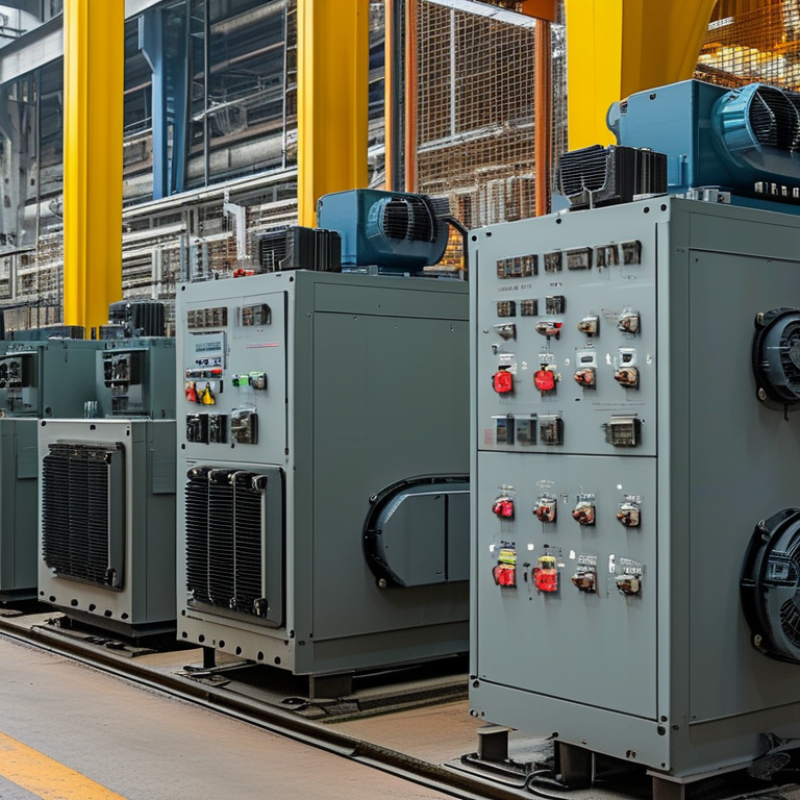
How to Choose the Right Variable Frequency Drive for Your Needs?

Understanding Variable Frequency Drives: Key Concepts and Types

Variable frequency drives (VFDs) play a crucial role in modern industrial applications. They control the speed and torque of electric motors efficiently. Understanding key concepts and types of VFDs helps organizations make informed decisions. According to a recent industry report, the global VFD market is expected to reach $20 billion by 2025. This growth underscores the importance of selecting the right type for specific needs.

There are several VFD types available, including voltage source inverters (VSI) and current source inverters (CSI). VSIs are popular due to their simpler design and lower cost. They are particularly effective for standard motor control applications. On the other hand, CSIs offer superior performance in high-power applications. However, they tend to be more complex and expensive. The choice between these types often depends on the desired application and budget constraints.

It is also essential to consider the operational environment when selecting a VFD. Factors such as temperature variance, exposure to dust, and humidity can significantly impact performance. A VFD that performs well in one environment may not be suitable for another. Therefore, a thorough assessment of the operating conditions is necessary. Additionally, disregard for maintenance can lead to inefficiencies. Regular inspection and updates ensure optimal functionality and longevity of the system.

Assessing Your Motor Requirements: Power and Torque Considerations

Choosing the right variable frequency drive (VFD) requires a thorough understanding of your motor's power and torque needs. The National Electrical Manufacturers Association (NEMA) reports that incorrect sizing can lead to inefficiencies. It's essential to evaluate both the full-load and starting torque requirements of your application. Proper calculations ensure the drive can handle load variations without overheating.

A common mistake is focusing solely on the motor power rating without considering torque. Torque is critical during startup and under varying load conditions. A study by the Electric Power Research Institute highlights that approximately 25% of motor failures are linked to inadequate torque management. This illustrates the importance of addressing torque requirements.

Moreover, consider the operational context of your motor. Environmental factors can affect performance. For instance, motors in harsher environments may need enhanced torque capabilities. Ignoring these details can lead to unexpected downtime, impacting productivity. In sum, a careful analysis of power and torque needs is crucial for selecting a reliable VFD that meets specific operational requirements.

Evaluating Control Features: Open Loop vs. Closed Loop Systems

When choosing a variable frequency drive (VFD), control features are critical. Two primary systems are open loop and closed loop. Open loop systems operate without feedback. They control motor speed based on predefined parameters. This simplicity reduces costs and is ideal for less demanding applications. A report from the International Energy Agency indicates that open loop systems can improve energy efficiency by 20% in applications like fans and pumps.

Closed loop systems, however, provide real-time feedback. They adjust motor performance based on actual conditions. This option enhances precision and can lead to significant savings. According to the Electric Power Research Institute, closed loop VFDs can offer up to 30% more energy savings in applications requiring constant load adjustments. However, they come with higher initial costs and complexity, which may not be justified in simpler tasks.

Selecting between these two systems involves careful assessment of your operational needs. Evaluate your workload, energy costs, and desired performance reliability. Sometimes, a closed loop may seem beneficial, but if the application doesn't demand precision, the added cost may not offer worthwhile returns. Explore each option's nuances, understanding that the best choice aligns with your specific situations and future needs.

Comparative Analysis of Open Loop vs. Closed Loop Variable Frequency Drives

Analyzing Efficiency and Energy Savings: VFD Impact on Operational Costs

Variable Frequency Drives (VFDs) are vital in optimizing energy consumption. When selecting a VFD, understanding its efficiency is crucial. Efficiency not only affects operational costs but also impacts the overall performance of the machinery. A properly chosen VFD can reduce energy usage by adjusting motor speed to match load requirements. This adaptability leads to noticeable cost savings over time.

Energy savings from VFDs can vary significantly. Factors such as load characteristics and operational cycles play a role. For instance, a VFD might save 20-50% on energy in specific applications, but these savings depend on correct installation and setup. It’s important to conduct a thorough analysis before implementation to understand potential savings fully.

Reliability is another concern. Some VFDs may have complex programming, which can lead to installation challenges. Ensure that the chosen VFD aligns with your operational needs. Regular maintenance is essential for longevity. Always assess the balance between cost and performance for your unique requirements. This reflection can lead to a more efficient operation and greater energy conservation over the long term.

How to Choose the Right Variable Frequency Drive for Your Needs?

VFD Type Efficiency (%) Energy Savings (% per year) Operational Cost Reduction ($/year) Typical Application
Standard VFD 95 10 1,000 Pumps, Fans
High Efficiency VFD 98 15 1,500 HVAC, Compressors
Smart VFD 97 20 2,000 Industrial Equipment
Heavy-Duty VFD 95 12 1,200 Conveyor Systems

Considering Environmental Factors: Temperature, Humidity, and Application Needs

When selecting a variable frequency drive (VFD), environmental factors are paramount. Temperature plays a critical role in determining the drive's efficiency and lifespan. According to industry data, temperature fluctuations can influence performance by as much as 20%. Drives in high-temperature settings may require derating, meaning they cannot operate at full capacity. Understanding acceptable temperature ranges can prevent premature failures.

Humidity is another significant factor. Drives exposed to high humidity are at risk for condensation buildup. This can lead to electrical failures or corrosion over time. Reports indicate that about 30% of VFDs fail due to moisture-related issues. It’s essential to consider whether protective enclosures are necessary to mitigate these risks.

Application needs further complicate the selection process. Drives used in harsh industrial environments may need enhanced filters or specialized coatings. Research suggests that 15% of VFD-related issues stem from improper matching to application demands. Evaluating load characteristics and environmental conditions can ensure that the right drive is selected, tailored to the specific operational context. Balancing all these factors is crucial for achieving optimal performance and reliability.

Select Electrical Logo
Since 1988

Select Electrical Ltd. © Copyright 1988-2025