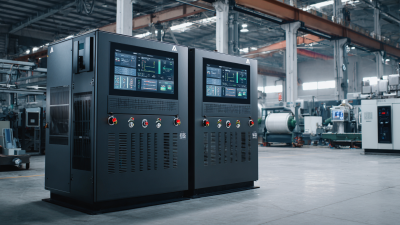
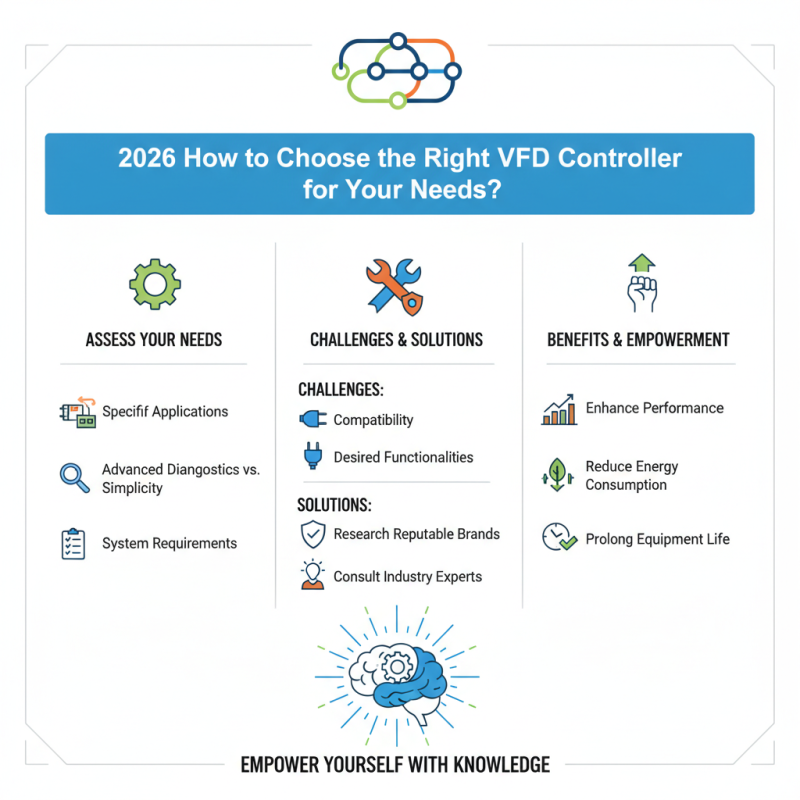
Choosing the right VFD controller is critical for efficient motor management. With various options available, the selection process can be overwhelming. A well-chosen VFD controller can enhance performance, reduce energy consumption, and prolong equipment life.
It’s essential to assess your specific needs. Different applications may demand different features. Certain controllers offer advanced diagnostics, while others focus on simplicity. Understanding the requirements of your system can guide you to the best choice.
Many users face challenges when selecting a VFD controller, such as compatibility with existing systems or desired functionalities. Identifying these needs early on can prevent costly mistakes. Researching reputable brands and consulting industry experts can also provide valuable insights. Empower yourself with knowledge to make a confident decision.
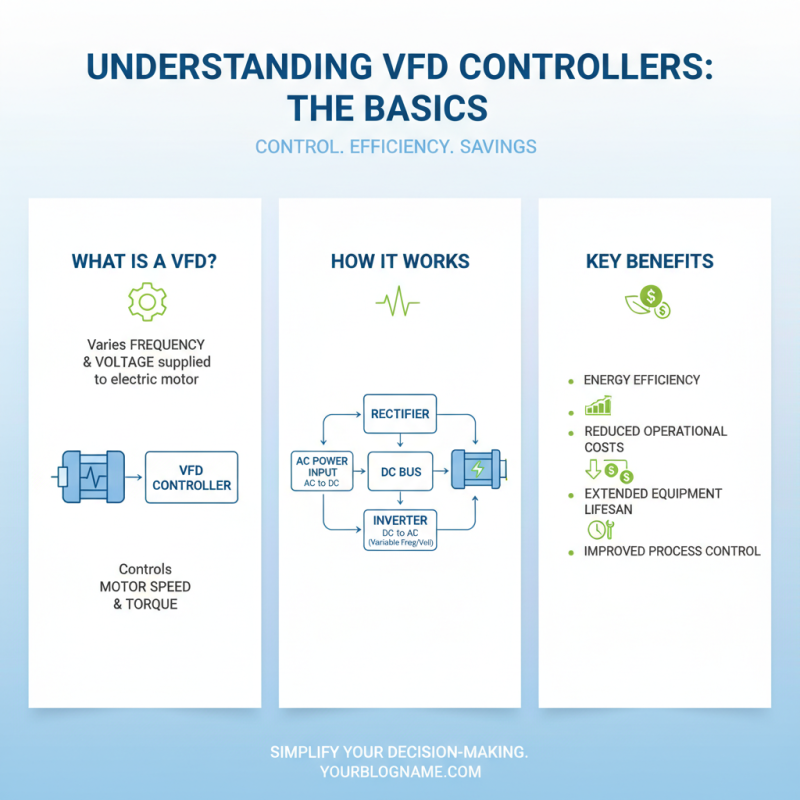
Variable Frequency Drives (VFDs) are crucial in modern electrical systems. Understanding their basics can simplify your decision-making process. A VFD controls motor speed and torque by varying the frequency and voltage supplied to the electric motor. This technology enhances energy efficiency and reduces operational costs. Knowing how it works is essential for selecting the right controller.
Different applications require different specifications. For instance, fans and pumps have unique speed and performance needs. You must assess the motor voltage, current ratings, and control methods. Consider your operational environment too. Harsh conditions may require VFDs with better casing and protection features.
Choosing a VFD can be challenging. Many options exist, each with its features. You might find some confusing or too technical. Don't hesitate to seek expert advice. Experienced professionals can guide you, ensuring you select a reliable VFD that meets your needs. Take your time in this process. The right choice will lead to smoother operations and lower costs.
When selecting a Variable Frequency Drive (VFD) controller, it's essential to consider several key factors. Understanding your application will guide you in choosing the right specifications. Look closely at the voltage and current ratings. Ensure they match your motor requirements. An incorrect match can cause inefficiency or even motor damage.
The control method is another crucial aspect. VFDs can operate in variable torque or constant torque modes. Depending on your application's demands, one method might suit you better than the other. Pay attention to the operating environment as well. If your VFD faces harsh conditions, such as temperature extremes or moisture, select a controller rated for such environments.
Another detail often overlooked is the ease of programming and integration. A complex interface can lead to errors during setup. You want a VFD that balances features with user-friendliness. Also, think about future scalability. If your operations expand, can the VFD handle additional motor loads or functionalities? This is an area worth reflecting on, even if it isn’t an immediate concern.
When selecting a Variable Frequency Drive (VFD) controller, understanding the specific application needs is crucial. VFDs come in different types, such as voltage source inverters (VSI) and current source inverters (CSI). Each type serves particular functions and environments. For example, VSIs are commonly used in standard motor applications, while CSIs are better suited for high-power setups. According to industry reports, nearly 70% of the industrial VFD market relies on VSIs due to their versatility and efficiency.
Matching the right VFD to your application can significantly impact energy efficiency and performance. In HVAC systems, VFDs optimize fan and pump operations, enhancing energy savings by up to 50%. However, some applications may not benefit as much from VFDs. For instance, in scenarios with constant loads, the energy savings might be minimal. Additionally, installation and maintenance costs can be higher than expected.
When evaluating VFD options, consider the motor specifications, ambient conditions, and control requirements. Many facilities overlook these parameters, leading to suboptimal performance. A targeted approach ensures that the chosen VFD aligns with operational goals. Industry specialists emphasize the importance of conducting detailed assessments to avoid costly mistakes. The right choice can lead to improved efficiency and reliability in your operations.
When selecting a Variable Frequency Drive (VFD) controller, compatibility with existing equipment is crucial. Many VFDs work with specific motor types and voltages. Before making a decision, assess your current system requirements. This includes the motor's horsepower, voltage ratings, and phase configuration. If these do not align, performance could suffer.
Tips: Always confirm specs. Gather documentation on your existing equipment. This will support a smooth integration of the new controller.
Another aspect to consider is the communication protocol. Does your existing setup utilize certain protocols for control? Ensure any new VFD can interface with your system seamlessly. Without this, potential savings in energy and efficiency might be lost.
Tips: Don’t overlook testing. Implement a phased rollout for the new VFD. Monitor performance closely before full deployment. This approach highlights unforeseen issues early in the process.
Lastly, review the physical space for the installation. Ensure there's enough room for cooling and maintenance. Overlooking this can lead to overheating or service challenges. Ultimately, a thorough assessment of these factors can lead you to the right VFD that truly fits your needs.
| Dimension | Requirement | Consideration | Example Values |
|---|---|---|---|
| Power Rating | Must match the motor's power requirement | Ensure it can handle the peak load | 1 kW to 500 kW |
| Voltage | Match with existing electrical supply | Common voltages include 230V, 400V, 460V | 230V, 400V |
| Control Method | Must support application needs | Consider if variable torque or constant torque is needed | V/F Control, Vector Control |
| Environment Rating | Should match the installation environment | Dust, moisture, and temperature considerations | IP20, IP55 |
| Communication Protocol | Compatibility with existing systems | Integration with PLCs and automation systems | Modbus, Ethernet/IP |
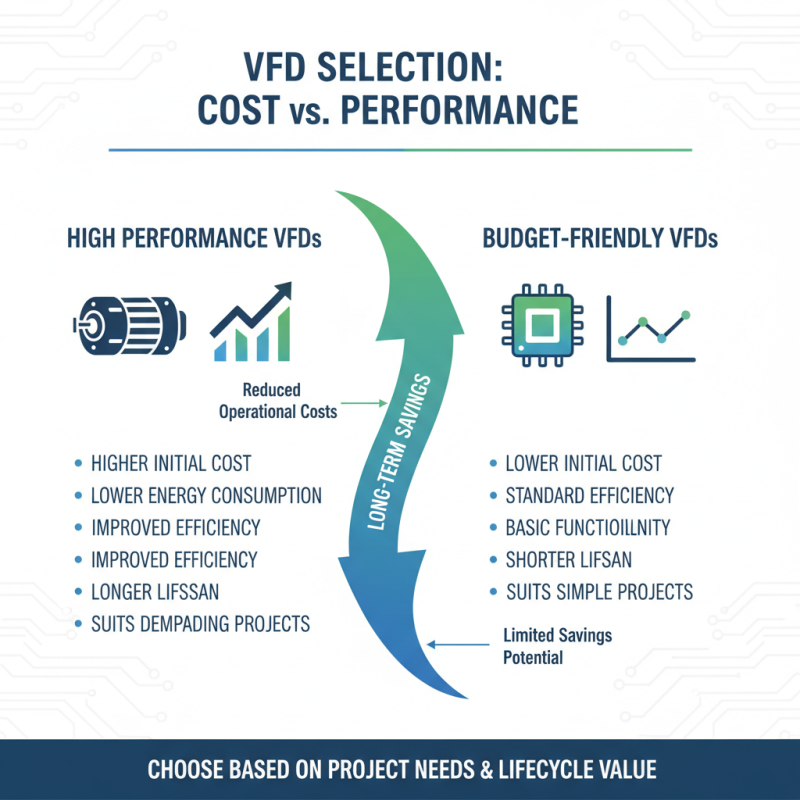
When selecting a variable frequency drive (VFD) controller, the balance between cost and performance is crucial. High-performance VFDs tend to come with a steep price. However, investing in a powerful VFD might reduce energy costs and improve overall efficiency. This choice could lead to better long-term savings. But, some projects may not require top-tier performance, allowing for a focus on budget-friendly options.
Energy efficiency should be a central consideration. A VFD’s ability to adjust motor speed directly impacts energy consumption. Less efficient controllers can lead to significant ongoing costs. Evaluating operational needs is vital. Sometimes, cheaper models may suffice. In other cases, an optimal choice may require spending more upfront. Reflecting on your specific requirements, such as required features and load types, can help guide the decision.
Reliability also plays a pivotal role. A lower-cost VFD might save money, but could lead to higher maintenance needs. This potential trade-off is noteworthy. Regular evaluations can help identify which features are truly necessary and which are not. Finding the right balance isn’t always easy and may require adjustments over time. It’s an ongoing process to ensure that the selected VFD meets both performance standards and budget constraints effectively.