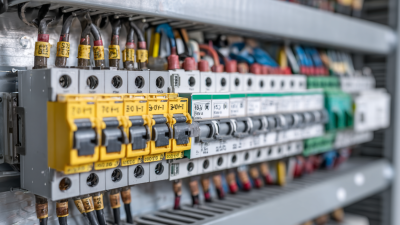
In today's homes, circuit breakers play a crucial role in electrical safety. Expert John Smith, a renowned electrical engineer, once stated, "Efficient circuit breakers can prevent disasters." This highlights the importance of understanding their function.
Circuit breakers protect your home from overloads. They automatically turn off when they detect too much current. However, many homeowners overlook their maintenance. Regular checks can prevent nuisance tripping and ensure reliability.
Homeowners should also know their circuit breaker types. Standard breakers handle basic needs. GFCI breakers offer additional protection in wet areas. Identifying these can enhance safety. Understanding their limits is key. Ignoring warning signs may lead to costly repairs. Ultimately, knowing how to use circuit breakers effectively can make a significant difference in household safety.
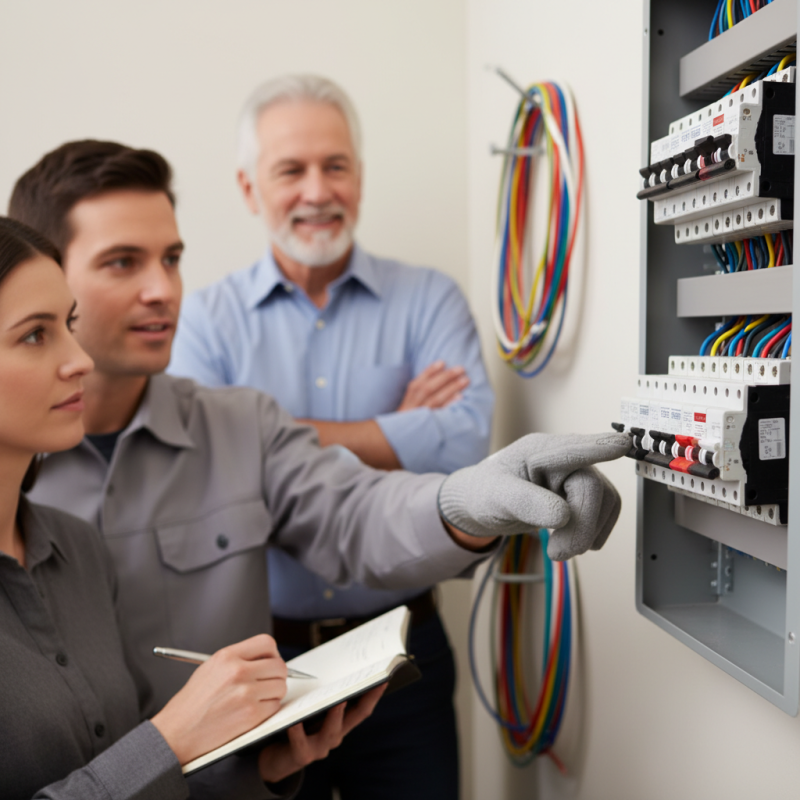
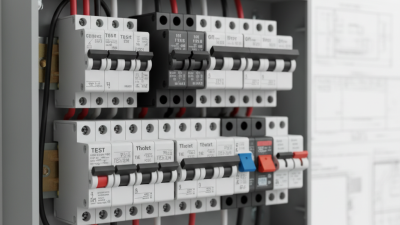
Circuit breakers are essential in managing electrical systems safely. They act as protective devices that automatically cut off electricity during overloads or faults. Understanding their function helps homeowners ensure a safe environment. Each circuit breaker controls a specific circuit. This division prevents entire systems from shutting down during issues.
When using circuit breakers, knowing their ratings and limits is crucial. If a breaker trips frequently, it could signal an overloaded circuit. Adding too many devices may cause this issue. It’s always wise to reassess the needs of your household. Are you using too many high-wattage appliances on one circuit? This may require a reconsideration of your electrical setup.
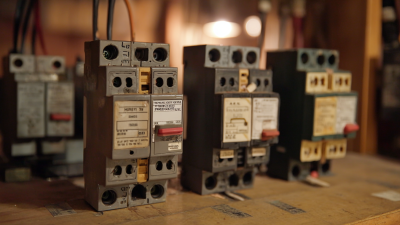
Inspecting circuit breakers regularly is vital for safety. Dust or corrosion can hinder their performance. If you notice a breaker that feels hot, it needs attention. Breakers are not infallible; sometimes, they fail. Being aware of the signs of malfunction is necessary. Homeowners should not hesitate to seek professional help if uncertain.
| Feature | Description | Importance | Tips |
|---|---|---|---|
| Overload Protection | Prevents electrical fires by stopping current flow during overload. | High | Regularly check the load on circuits. |
| Short Circuit Protection | Disconnects electricity to prevent damage from short circuits. | Critical | Ensure wires are properly insulated. |
| Ground Fault Protection | Cuts off power when a ground fault occurs to prevent shock hazards. | Essential | Install GFCI breakers in wet areas. |
| Regular Testing | Ensures breakers function correctly and safely. | Important | Test breakers monthly to ensure proper operation. |
| Proper Amp Rating | Use breakers that match the amperage requirements of your circuits. | Very High | Consult an electrician if unsure about the rating. |
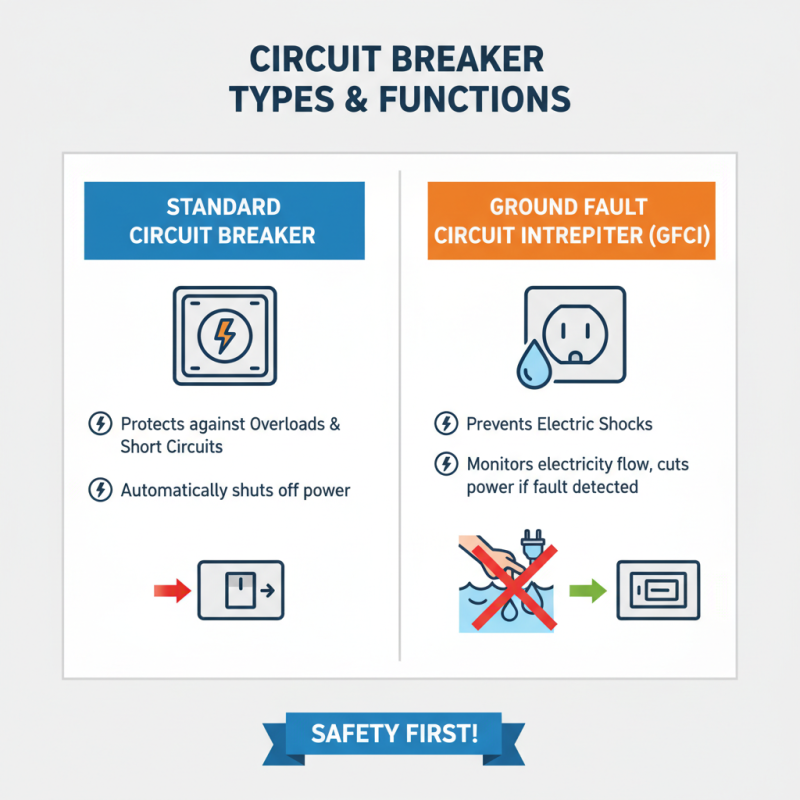
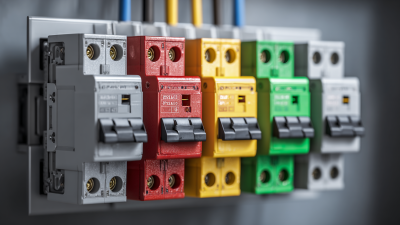
When considering circuit breakers, understanding their types and functions is crucial. There are several main types of circuit breakers. One common type is the standard circuit breaker. These protect against overloads and short circuits. They can automatically shut off power. Another type is the Ground Fault Circuit Interrupter (GFCI). This breaker is designed to prevent electric shocks. It monitors the flow of electricity and cuts off power quickly if it detects a fault.
Additionally, there's the Arc Fault Circuit Interrupter (AFCI). This breaker detects dangerous arc faults. These can occur when the electrical wiring is frayed or damaged. AFCIs are essential for preventing electrical fires. Each type of circuit breaker enhances safety in unique ways. Choosing the right one can be challenging. Not all homes need every type.
Homeowners should consider their specific needs. Are there areas with water exposure? A GFCI may be necessary. Older homes might benefit from AFCIs. The decision-making process can be overwhelming. It's easy to overlook certain risks. Regular checks on your circuit breakers can help maintain safety. Remember, understanding their functions is key.
Installing circuit breakers in your home can greatly enhance electrical safety. However, the process requires attention to detail and adherence to safety measures. According to the National Fire Protection Association, approximately 51,000 fires are caused by electrical malfunctions each year. Proper installation of circuit breakers is essential to mitigate these risks.
When installing circuit breakers, ensure the power is turned off. Mistakes can happen. Check connections twice before you proceed. Loose wires can lead to short circuits or overheating. The Consumer Product Safety Commission suggests using the correct amperage for your needs. An overload can trigger a fire hazard.
**Tip:** Always label your circuit breakers. This can save time and prevent confusion during emergencies. Knowing which switch controls which area is crucial.
Also, consider the physical environment of the installation. Circuit breakers may require adequate ventilation. This helps prevent overheating. Keeping the area clean and dry reduces risks. Inspect your circuit breakers regularly. Look for signs of wear or damage, and replace them if needed.
**Tip:** Invest in surge protectors. They can help protect your devices from surges, even if your breakers are functioning properly.
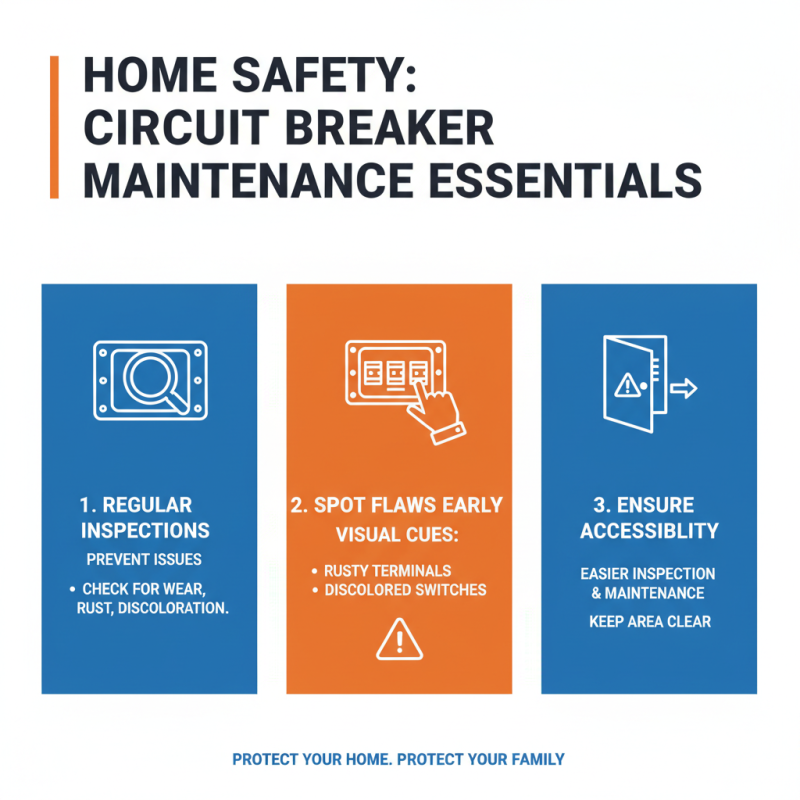
Maintaining circuit breakers is essential for home safety. Regular inspections can prevent issues. Start by checking for any signs of wear. Look for rust or discoloration. These flaws signal that something might be wrong. Ensure that the breakers are easily accessible. This makes inspection simpler.
Keep the circuit breaker box clean. Dust and debris can accumulate over time. A quick wipe with a cloth can help. Avoid using water or harsh chemicals. This could damage the internal components. If you notice frequent trips, it may indicate an overloaded circuit. This requires immediate attention.
Consider labeling the circuits clearly. This helps identify which breaker controls what. It saves time during power outages or repairs. Reflect on your usage habits. Are there too many devices plugged into one outlet? Space out your electronics. A little thought can greatly improve safety.
Troubleshooting common circuit breaker issues can be frustrating, but it's manageable. Often, breakers trip due to overloaded circuits. Appliances or devices can draw too much power at once. Check which devices are connected. You may need to spread them out across different circuits.
Another issue is a breaker that won't reset. This could indicate a more significant problem, like a short circuit. Turn off all devices on that circuit. Then, attempt to reset the breaker. If it trips again, there might be wiring issues. Inspect for frayed wires or connections. These are potential fire hazards.
Sometimes, breakers just age and weaken. If a breaker is humming or warm to the touch, it may need replacement. Regular checks can prevent surprises. Your home’s safety depends on reliable electrical systems. Keep a close eye on trends. Ignoring small issues can lead to big problems.