
A Frequency Converter is a critical component in modern electrical systems, enabling the transformation of electrical energy between different frequencies. According to a report by MarketsandMarkets, the global frequency converter market is projected to reach $3.2 billion by 2025, illustrating its growing significance in industrial applications. These devices play a vital role in optimizing operations across various sectors, including manufacturing and renewable energy.
Frequency converters work by modifying the frequency of electrical signals, making them essential for equipment that operates on varying power supply frequencies. This capability enhances efficiency and energy savings, which is increasingly crucial as industries push for sustainability. However, while they offer many benefits, the integration of frequency converters can be complex, sometimes leading to unexpected operational challenges.
Issues related to harmonic distortion and operational reliability often arise during implementation. Engineers must carefully consider these factors to ensure optimal performance. Understanding Frequency Converters requires ongoing learning and adaptation, given the rapid advancements in technology. This continual process of assessment and improvement reflects the dynamic nature of the industry, highlighting both achievements and areas for further exploration.
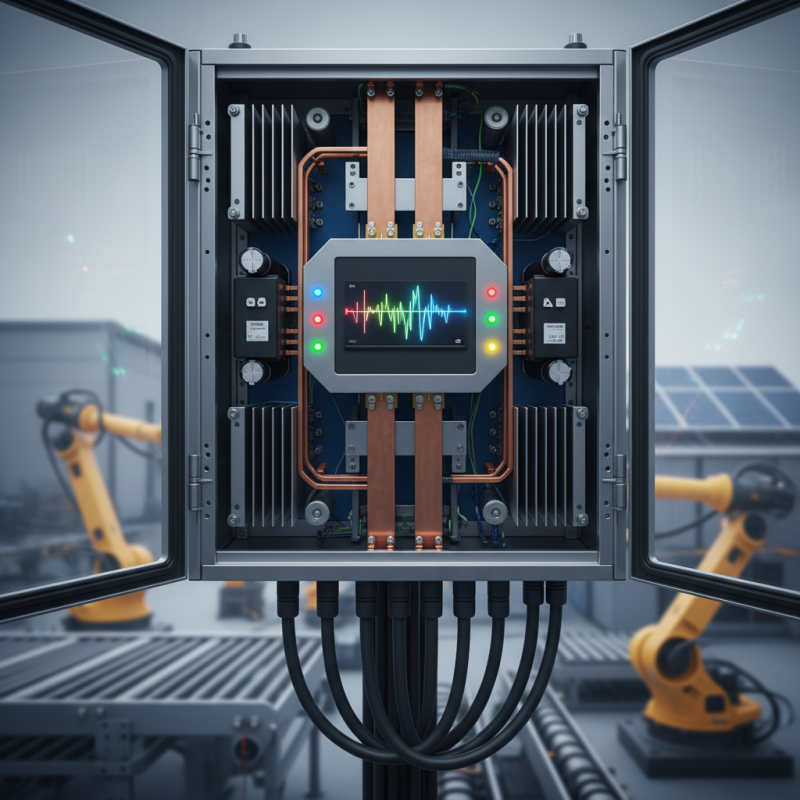
A frequency converter is an essential device used in various applications, from industrial machinery to renewable energy systems. It modifies the frequency of electrical power supply, allowing equipment to operate efficiently under different conditions. For instance, it can convert a standard 50 Hz power supply to 60 Hz, making it suitable for specific industrial loads.
The basic functionality of a frequency converter leverages power electronics. It takes in alternating current (AC) and transforms it into direct current (DC) before converting it back to AC at the desired frequency. This process enables precise control of motor speed and torque, which is crucial for operations requiring variable speeds. However, not all converters achieve the same efficiency. Some designs can be complex and prone to failure if not properly maintained.
Implementing a frequency converter requires understanding its impact on the overall system. While it enhances flexibility, improper use can lead to increased power consumption. Users must consider factors like load type and operational demands. It’s a balancing act that requires careful planning and reflection on potential pitfalls.
Frequency converters come in various types, each tailored for specific applications. One common type is the static frequency converter, which is efficient for low-power applications. It can adjust the frequency of electrical energy without mechanical components. These are often used in renewable energy systems, like wind turbines, where they optimize power conversion for grid compatibility.
Dynamic frequency converters play a different role. They are essential in high-power applications, such as industrial motors and heavy machinery. These converters can handle large fluctuations in loads and maintain stable output. Their inherent ability to withstand variable conditions enhances reliability in critical systems.
Consider the application context. In aerospace, frequency converters must meet strict performance standards. Fault tolerance is key here, given the high stakes. In contrast, converters for home appliances focus more on energy efficiency. Each type serves a unique purpose and comes with specific design considerations. It's important to evaluate these factors carefully for optimal performance.
Frequency converters play a crucial role in various industrial applications, especially in controlling the speed and torque of electric motors. They work by converting the frequency of the input power supply to match the requirements of specific machinery. This enables better efficiency in processes that require variable speed control. In essence, a frequency converter adjusts the voltage and current supplied to the motor, allowing for enhanced performance across diverse conditions.
The technical operation of frequency converters involves several key components. First, the rectifier converts alternating current (AC) into direct current (DC). Then, the inverter changes the DC back to AC, but at a different frequency. This transformation is essential for applications needing adjustments to power parameters. However, understanding these interactions can be complex. Engineers must consider factors like harmonics and efficiency. Small oversights can lead to inefficiencies or system failures.
In addition to improving efficiency, frequency converters can generate heat. This heat must be managed, as excess can damage the equipment. Regular maintenance checks are necessary to ensure the longevity of these systems. Operators must also monitor the converter's performance continuously. A shift in power quality can require prompt adjustments. Understanding and addressing these nuances allows for better operational stability.
This chart illustrates the efficiency of different types of frequency converters used in various applications. The data showcases the average efficiency percentages based on published technical specifications.
Frequency converters play a vital role in modern electrical systems. They change the frequency of the electrical energy supplied to machines. This can enhance performance and efficiency. By adjusting the frequency, devices operate at optimal speeds. Many industrial applications benefit immensely from this technology.
One key benefit is energy savings. Machines can run more efficiently, reducing electricity costs. Additionally, frequency converters minimize wear and tear on equipment. They control the speed of motors, which can prolong their lifespan. The ability to fine-tune performance is critical in manufacturing processes.
Adaptability is another advantage. Different operations may require specific frequencies. A frequency converter allows for easy adjustments. This helps industries respond to changing demands. However, initial installation may require careful planning. Understanding system requirements is essential for optimal performance.
| Dimension | Description |
|---|---|
| Definition | A device that converts electrical frequency from one value to another. |
| Function | Adjusts the speed of AC motors or systems in industrial applications. |
| Benefits | Enhances energy efficiency, provides speed control, and extends equipment lifespan. |
| Applications | Used in HVAC systems, conveyors, pumps, and various motor-driven applications. |
| Types | Voltage-source inverter (VSI) and current-source inverter (CSI). |
| Key Components | Rectifier, inverter, control circuit, and filter. |
| Installation Considerations | Must be matched to the load and environment for optimal performance. |
Frequency converters play a vital role in various industries. They are essential for adjusting electrical frequencies to match specific equipment needs. Common applications include manufacturing, renewable energy, and transportation.
In manufacturing, frequency converters enhance the control of motors. This precision leads to improved efficiency and reduced energy consumption. Renewable energy systems, like wind and solar, also depend on these devices. They help convert power to the correct frequency for integration into the grid. Transportation relies on frequency converters as well, especially in electric and hybrid vehicles, promoting smoother operation.
Tips: Always consider the compatibility of equipment when selecting a frequency converter. Efficient use can significantly lower energy costs. Regular maintenance of these devices can prevent unexpected failures, ensuring seamless operation in industrial settings.
A careful assessment of power needs is crucial; over-specifying may lead to unnecessary expenses.