Optimal VFD Electrical Solutions for Global Buyers?

In today's competitive market, understanding optimal VFD electrical solutions is crucial for global buyers. Variable Frequency Drives (VFDs) play a vital role in efficient motor control. These devices adjust motor speed and torque, enhancing energy efficiency and performance. For industries ranging from manufacturing to HVAC, the right VFD electrical systems can lead to significant cost savings.

Many factors influence the selection of VFD electrical solutions. Buyers must consider voltage levels, compatibility with existing systems, and operational requirements. Choosing the wrong VFD can lead to inefficiencies and increased maintenance costs. It’s essential to rely on experienced suppliers who can provide tailored solutions.

Navigating the VFD market can be complex. Not all suppliers offer the same level of expertise or product quality. Buyers need to conduct thorough research before making decisions. The goal is to find VFD electrical solutions that align with specific operational needs while ensuring reliability and performance. Engaging with knowledgeable professionals increases the chances of successful outcomes.

Optimal VFD Electrical Solutions for Global Buyers?

Understanding Variable Frequency Drives (VFDs) and Their Applications
Optimal VFD Electrical Solutions for Global Buyers?

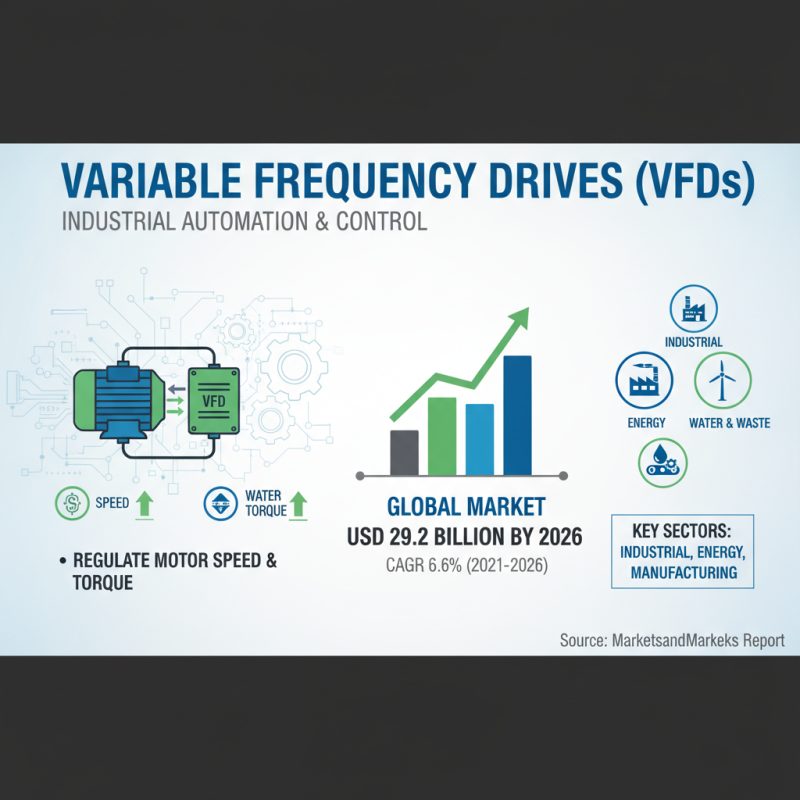
Variable Frequency Drives (VFDs) are essential components in industrial automation and control systems. They regulate motor speed and torque by varying the frequency and voltage supplied. According to a report by MarketsandMarkets, the global VFD market is projected to reach USD 29.2 billion by 2026, growing at a compound annual growth rate (CAGR) of 6.6%. This highlights the increasing reliance on VFDs across various sectors.

VFD applications extend beyond simple motor control in fans and pumps. They are critical in HVAC systems, improving efficiency and reducing energy consumption by up to 50% in some cases. A study from the U.S. Department of Energy indicates that more efficient VFD usage can significantly lower overall operational costs. However, many companies still underutilize these technologies, missing out on substantial savings.

Challenges exist in implementing VFD solutions. Improper installation and lack of training can lead to efficiency losses. A survey revealed that nearly 30% of installations did not achieve expected energy savings. Understanding the intricacies of VFD technology requires ongoing education and adaptation. Buyers must consider not only cost but also the potential for operational improvements and long-term sustainability.

Key Features to Consider in VFDs for Diverse Industries

When selecting Variable Frequency Drives (VFDs) for various industries, multiple key features demand attention. Efficiency is critical. A well-designed VFD should optimize energy use, reducing operational costs. Motors that run smoothly under various loads enhance overall productivity. It's essential to check the drive’s efficiency ratings before making a choice.

Another vital aspect is compatibility. Different industries have unique requirements. A VFD must integrate seamlessly with existing equipment. Look for drives that support various communication protocols. This ensures easy connectivity and data exchange. Furthermore, overheating can be an issue. Effective cooling mechanisms within the drive help avoid performance degradation. Businesses should also consider the operational environment. Dusty, wet, or corrosive settings may require specialized enclosure ratings.

Finally, support and service are often overlooked. After purchase, buyers need reliable customer support. Availability of local service can be a game changer. Training for staff on VFD operation should not be neglected. Ensuring employees are well-equipped to handle the technology can influence productivity. Addressing these aspects thoughtfully can improve decision-making around VFD purchases.

Comparing VFD Suppliers: Quality, Cost, and Service Factors

When comparing VFD suppliers, several factors come into play. Quality should always be a top consideration. Look for suppliers who use high-grade materials and have rigorous testing procedures. This ensures longevity and reliability. Product certifications can also indicate adherence to industry standards.

Cost plays a significant role in decision-making. While cheaper options might save money upfront, they could lead to higher maintenance costs in the long run. Evaluate the total cost of ownership instead. A low initial price may hide potential pitfalls.

Service is another crucial aspect. Effective after-sales support is not just a bonus; it is essential. Suppliers who provide training, quick response times, and accessible customer service should be prioritized.

Tips: When reviewing vendors, create a checklist of essential features and standards. Regularly seek feedback from your teams on the performance of VFDs. This promotes ongoing improvement and collaboration with your suppliers. Don't overlook the value of networking within your industry to gather insights on supplier performance and reliability.

Delve into user reviews for personal insights. Anonymous feedback can reveal hidden strengths and weaknesses. Remember to assess whether the performance matches the expectations set by the supplier. That can help avoid unexpected issues later on.

Optimal VFD Electrical Solutions for Global Buyers

This chart represents a comparative evaluation of VFD suppliers based on three critical factors: Quality, Cost, and Service. Each factor is scored out of 100, showing where suppliers generally stand in terms of these important criteria.

Global Trends in VFD Technology and Market Demand

The demand for Variable Frequency Drives (VFDs) is rapidly increasing worldwide. Industries are adopting these technologies to enhance energy efficiency. The global market is witnessing a shift towards smarter, more sustainable solutions. Companies are investing in IoT-integrated VFDs to optimize performance and reduce operational costs. Such technological advancements bring a level of reliability that many businesses previously lacked.

However, challenges persist in understanding regional market dynamics. Not every market is the same. While some countries embrace advanced VFD solutions, others lag behind. This disparity can impact project timelines and budgets. Companies must adapt their strategies to meet local requirements and preferences. A failure to do so may lead to missed opportunities and wasted resources.

Consumer awareness is also evolving. Buyers seek products that not only perform well but also align with sustainability efforts. This shift reflects a broader trend in the global economy, where eco-friendly choices are gaining traction. Businesses need to stay informed about these shifts. The balance between technological advancements and environmental considerations is crucial for future growth.

Sustainability and Energy Efficiency in VFD Solutions

Sustainability is more than a trend; it’s a necessity. Variable Frequency Drives (VFDs) play a crucial role in energy efficiency. By allowing motors to operate at variable speeds, VFDs minimize energy consumption. This technology helps industries reduce their carbon footprints significantly.

However, the implementation of VFD solutions can be complex. Some businesses still lack awareness of the benefits. Additionally, integrating VFDs with existing systems may pose challenges. There can be a steep learning curve associated with their operation and maintenance. Training staff is vital to maximize the efficiency of these drives.

Investing in VFDs isn't just about technology; it’s about a mindset shift. Companies need to view energy efficiency as a core value. This requires ongoing evaluation and a commitment to improvement. The potential gains in sustainability are immense, but they require thoughtful planning and execution.

Optimal VFD Electrical Solutions for Global Buyers - Sustainability and Energy Efficiency in VFD Solutions

VFD Type Power Rating (kW) Input Voltage (V) Energy Efficiency (%) Sustainability Features
Standard VFD 75 380-480 95 Low Harmonics
High Performance VFD 150 480 98 Regenerative Capability
Variable Torque VFD 37.5 230 90 Compact Design
Dual Voltage VFD 110 200-400 92 Built-in Filters
Industrial VFD 200 480 95 Eco-friendly Materials
Select Electrical Logo
Since 1988

Select Electrical Ltd. © Copyright 1988-2025