
10 Tips for Buying the Best Men's Smartwatches

Choosing among today’s Men's Smartwatches can feel like comparing tiny computers under bright showroom lights. Each model promises smarter workouts, clearer notifications, and longer battery life. Yet attractive features do not always deliver useful daily value.

This guide shares ten practical tips for making a more confident purchase. The recommendations consider firsthand use, manufacturer specifications, independent testing, warranty terms, and long-term reliability. A watch should match your phone, routine, wrist size, and comfort preferences. Check compatibility carefully. A beautiful device becomes frustrating when notifications fail or essential apps remain unavailable.

Battery claims also deserve a closer look. A watch advertised for seven days may last only three with GPS, calls, and a bright display. That difference matters during travel or outdoor training. Health features require similar caution. Heart-rate and sleep measurements can support personal awareness, but they are not replacements for professional medical advice.

Think beyond the screen. Examine strap quality, water resistance, charging design, software support, and privacy controls. Read recent user feedback, not only polished launch reviews. Some reviewers, including experienced testers, may overlook small annoyances after a short trial. I have made that mistake myself. A watch can feel impressive for one weekend, then become inconvenient because its charger is proprietary or its menus are slow.

The best choice is rarely the model with the longest feature list. It is the one that performs consistently during ordinary moments: commuting, exercising, checking a message, or waking to a quiet alarm. These ten tips will help you question bold claims, identify genuine strengths, and avoid paying for features you may never use.
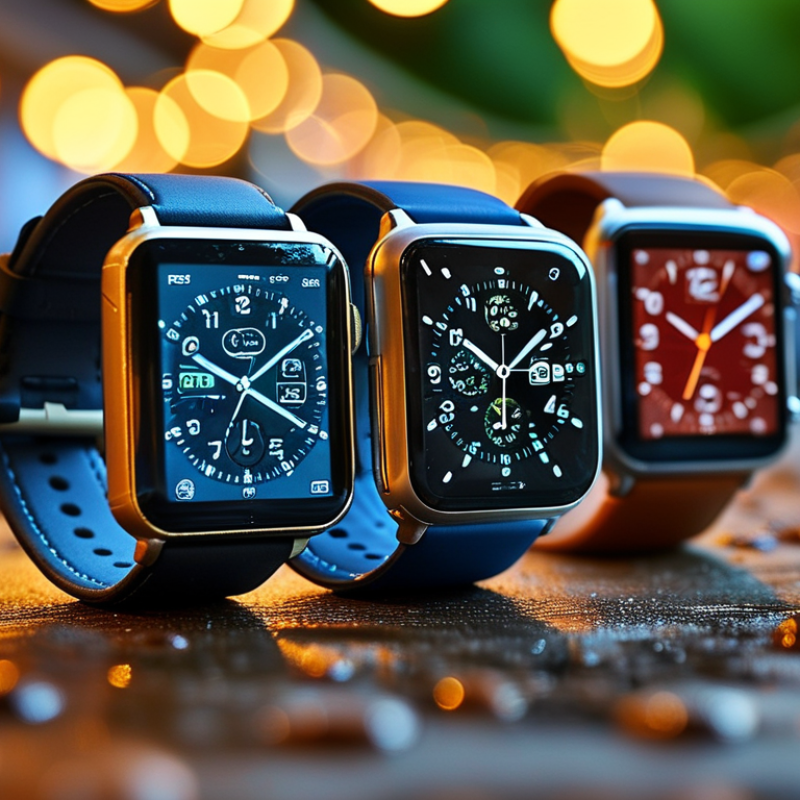
10 Tips for Buying the Best Men's Smartwatches

Define Your Daily Needs Before Choosing a Men’s Smartwatch

Before choosing a men’s smartwatch, define how it will fit into your actual day. Do you need call alerts during meetings, navigation on commutes, or workout tracking at the gym? A bright screen helps outdoors, while a quieter vibration suits office use. If you rarely exercise, advanced training metrics may become expensive clutter.

I once bought a watch with impressive health features but ignored its battery life. Charging it every night became annoying, especially during travel. Measure your wrist and check the case size carefully. A large case can feel heavy under a shirt cuff. Also examine strap comfort, water resistance, phone compatibility, and charging time. Small details matter.

Use sleep tracking only if you will wear the watch overnight. Check how the device stores and protects personal data. Read technical documentation, warranty terms, and independent test results rather than trusting dramatic advertisements. Health readings can support personal awareness, but they should not replace professional medical advice. Be realistic about accuracy. No sensor is perfect.

Your daily routine may change. A watch that suits weekend runs might feel distracting at work. Write down three features you will use every week. Ignore the rest for now. I still sometimes overvalue new functions, and that is worth questioning before paying more. A simple model may serve you better than a complicated one.

Compare Health, Fitness, and Safety Tracking Features

Buying the best men’s smartwatch means comparing health, fitness, and safety tools, not just screen size.

The World Health Organization reported in 2024 that 31% of adults worldwide are physically inactive. A useful watch can turn daily movement into visible, practical feedback.

Tip 1: Check step and activity tracking across indoor and outdoor workouts. Tip 2: Choose continuous heart-rate monitoring with clear trend reports. Tip 3: Look for sleep stages, breathing patterns, and recovery estimates. These features are helpful, but none are perfect.

The American College of Sports Medicine’s 2024 Worldwide Survey ranked wearable technology as the leading fitness trend.

Tip 4: Prefer built-in GPS for dependable route and distance records. Tip 5: Compare workout profiles for running, cycling, swimming, and strength training. Tip 6: Examine battery life during active tracking, not standby use. Tip 7: Select water resistance that matches your routine. A short battery life can quietly ruin good data.

Safety tracking deserves equal attention.

Tip 8: Look for fall detection, emergency contacts, and location sharing. Tip 9: Check whether alerts work without a nearby phone or paid connection. Tip 10: Review privacy controls before enabling health sharing. The World Health Organization warns that digital health tools require trustworthy data practices. False alarms happen. Missed alerts can happen too. Test emergency features with a trusted contact, and question impressive accuracy claims unless independent testing supports them.

Evaluate Compatibility, Battery Life, and User Experience

10 Tips for Buying the Best Men's Smartwatches

Compatibility should be your first practical check. Confirm that the watch works with your phone’s operating system and current software version. Some features may disappear after pairing with an unsupported device. Test notifications, contact syncing, calls, and health applications before purchasing. A watch that counts steps accurately but cannot display messages is frustrating. Check whether setup requires a separate account, too. That small detail can delay your morning routine.

Battery life depends on how you use the watch. GPS workouts, bright screens, music controls, and continuous heart-rate tracking consume power quickly. Look for realistic testing figures, not only the longest advertised duration. A device lasting two days in light use may need daily charging during exercise. Examine the charger design and charging speed. Can it reach 30 percent while you shower? This sounds minor, but convenience shapes long-term use.

User experience deserves hands-on attention. Men with larger wrists should inspect strap length and button placement. Try swiping through menus with damp fingers. Notice whether the screen responds quickly or misses gestures. Clear health graphs are more useful than crowded displays. Haptic alerts should feel noticeable, not irritating. I once favored a model with impressive sensors, yet its confusing menus discouraged regular use. That was my mistake. Read independent reviews, compare return policies, and test comfort for several hours when possible. Your wrist will reveal problems that specifications cannot.

Check Design, Durability, Connectivity, and Smart Functions

10 Tips for Buying the Best Men's Smartwatches

A smartwatch should match your daily routine, not merely look impressive online. Check whether the case feels balanced on your wrist and whether the buttons remain easy to use during movement. A clear display matters in sunlight, while adjustable straps improve comfort during long workdays. Choose materials that resist scratches, sweat, and occasional knocks. Water resistance is useful, but it does not make every watch suitable for swimming. Read the technical rating carefully.

2

Connectivity often decides whether a watch feels convenient or frustrating. Confirm compatibility with your phone before purchasing. Bluetooth should reconnect reliably after leaving the room. Wi-Fi and cellular support can add freedom, but they may increase battery use and subscription costs. Test call alerts, message notifications, and contact syncing if possible. Small delays become annoying quickly.

Smart functions should solve real problems. Accurate activity tracking, sleep records, alarms, navigation, and emergency contact tools can support everyday decisions. Health readings are helpful references, not medical diagnoses. Battery life also deserves an honest check. Manufacturers may measure it under ideal conditions, while frequent notifications shorten it. I once valued advanced features more than comfort, then stopped wearing the watch after a week. That mistake still influences my buying decisions. Leave a little room for imperfection. Sensors can misread movement, and software updates may change performance. A dependable design with fewer useful functions can be better than a crowded interface.

Balance Price, Brand Reputation, Warranty, and Long-Term Value

Buying the best men’s smartwatch is not about choosing the most expensive screen. Set a realistic budget first. Then separate useful features from attractive extras. Health tracking, call alerts, battery life, and water resistance may matter daily. A bright case may not. Check the total cost, including replacement straps, charging accessories, and possible repair fees. Cheap purchases can become expensive.

Brand reputation deserves careful checking. Look for consistent customer feedback, clear product information, and responsive support. Do not trust every online review. Some sound polished but lack real details. I prefer reviews that mention battery performance after several months, not after one afternoon. Software support also affects long-term value. A watch with regular security and system updates usually remains useful longer.

Read the warranty before paying. Confirm its length, covered parts, repair process, and exclusions. Keep the receipt and record the purchase date. A longer warranty sounds better, but poor service can make it frustrating. Check whether the seller handles repairs locally or requires overseas shipping. Battery aging is easy to overlook. Even a strong battery may lose capacity after repeated charging. I once focused too heavily on a low price and ignored replacement support. That mistake changed how I compare devices now. Buy the watch you can maintain, not merely the one you can afford today.

Select Electrical Logo
Since 1988

Select Electrical Ltd. © Copyright 1988-2025