Top 10 Variable Frequency Drives for Global Buyers 2026?
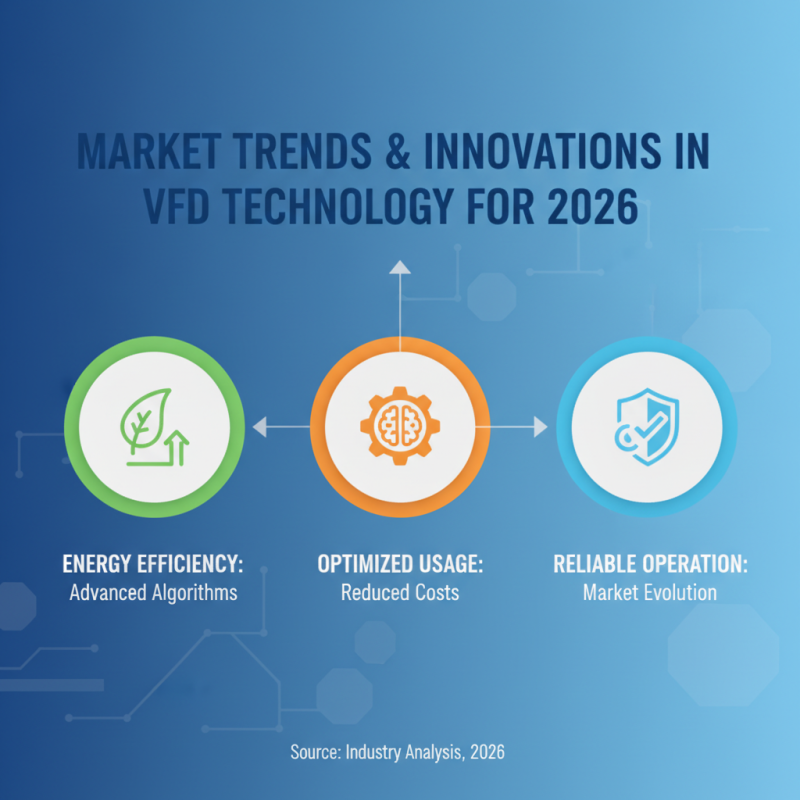
The global market for variable frequency drives (VFDs) is rapidly expanding, driven by advancements in industrial automation. Recent reports project a growth rate of 7.5% from 2021 to 2026, indicating a robust demand. These drives optimize energy consumption, offering significant savings on operational costs. Industries from manufacturing to HVAC are shifting toward energy-efficient technologies.
A variable frequency drive adjusts motor speed and torque, improving overall system efficiency. According to the International Energy Agency, implementing VFDs can reduce energy consumption by 20-50% in various applications. This efficiency often translates into reduced carbon footprints and compliance with stricter environmental regulations. However, many companies face challenges in selecting the right VFD for their needs.
With numerous options available, choosing the right variable frequency drive can be daunting. Each application demands specific performance capabilities. Buyers often overlook crucial factors like compatibility and technical support. Addressing these considerations is vital for achieving optimal results. The landscape is diverse, and global buyers must stay informed to make effective decisions for implementing VFD solutions.
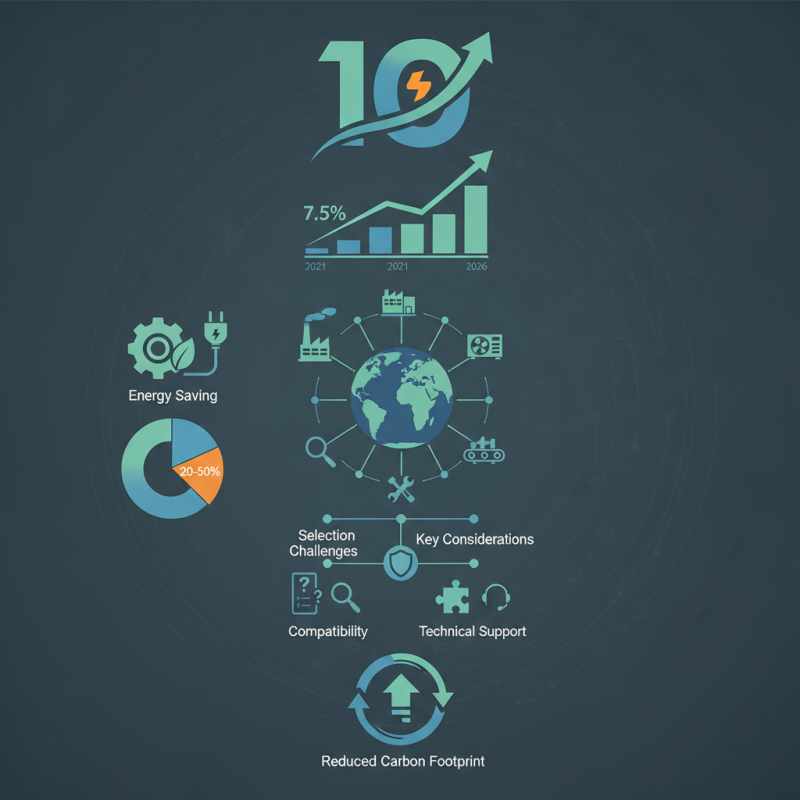
Overview of Variable Frequency Drives (VFDs) and Their Applications
Variable Frequency Drives (VFDs) are essential components in various industrial applications. They control the speed and torque of electric motors, leading to energy savings and enhanced performance. VFDs adjust the motor's power supply frequency, enabling precise control over operational processes. By varying the motor speed, they optimize equipment performance and reduce wear.
These drives find extensive use in HVAC systems, conveyors, and pumps. In HVAC, they improve energy efficiency by matching the airflow to demand. For conveyors, VFDs enhance material handling efficiency through speed control. In pumping applications, they help maintain optimal pressure and flow rates. This versatility makes them a valuable asset in industrial setups.
While VFDs offer many advantages, selecting the right one can be challenging. Various factors come into play, such as load requirements and environmental conditions. Buyers should consider these variables carefully. Sometimes, users overlook system compatibility, leading to integration issues. A thorough understanding of each application's needs is critical for effective implementation.
Key Factors for Selecting the Right VFD for Your Needs
When selecting a variable frequency drive (VFD), understanding specific needs is crucial. Power capacity is a key factor. It determines how much load the VFD can handle. A mismatch here can lead to inefficiency or failure. Evaluate the motor's specifications. Overestimating requirements may lead to unnecessary costs. Underestimating can result in performance issues.
Another important aspect is control method. Different VFDs offer various control strategies. Some provide scalar control, while others use vector control. Each has its advantages. Selecting the right control method impacts efficiency, performance, and responsiveness. Consider the application and desired precision when making a decision.
Additionally, communication protocols are vital. A VFD that integrates well with existing systems enhances functionality. Look for compatibility with standard protocols. This can simplify integration and boost overall performance. Always keep in mind the environment in which the VFD will operate. Factors like temperature, humidity, and exposure to dust can affect longevity.
Top 10 Variable Frequency Drives: Features and Specifications
Variable Frequency Drives (VFDs) are crucial in modern industrial applications, promoting energy efficiency and reducing operational costs. According to recent market research, the global VFD market is projected to reach $24 billion by 2026. This growth highlights the importance of selecting the right VFD, given the multitude of features and specifications available.
Many VFDs today offer advanced functionalities, such as precise speed control and energy-saving options. Key specifications to consider include input voltage, power rating, and communication protocols. A well-rounded VFD will also feature robust protection measures against overvoltage and overheating. Users need to assess the compatibility of these devices with existing machinery to ensure seamless integration and performance.
Tips: Always review technical documentation and user feedback. Understanding the installation requirements can save time and costs. Additionally, invest in training for technical staff to enhance operational effectiveness. Identifying the right balance between specifications and practical needs can be challenging but is essential for long-term efficiency. Keep in mind that not every high-tech feature may be necessary for your specific application, leading to either wasted resources or underutilized capabilities.
Global Compliance and Standards Affecting VFD Purchases
The variable frequency drive (VFD) market is highly influenced by global compliance and standards. As industries seek energy efficiency, regulatory bodies impose stricter requirements. Reports indicate that 63% of manufacturers now prioritize compliance during VFD purchasing. This shift is partly driven by the need to meet energy regulations, such as IEC 61800-9, which promotes eco-design for electrical equipment.
Certain sectors, like HVAC and industrial automation, face stringent emissions standards. This has prompted VFD suppliers to adapt design and functionality. In fact, 70% of operators report focusing on VFDs that adhere to these environmental standards. Non-compliance can lead to penalties, impacting project timelines and costs. The need for efficient drives that meet various international standards cannot be overstated.
However, navigating these regulations can be complex. Many companies struggle to keep up with changing standards. This may result in choosing suboptimal products without adequate compliance validation. A survey revealed that 47% of buyers lack confidence in their understanding of VFD standards. This knowledge gap can hinder progress towards achieving sustainability goals in different industries.
Top 10 Variable Frequency Drives for Global Buyers 2026
This bar chart represents the estimated market share of the top 10 variable frequency drives (VFDs) that are expected to affect global compliance and standards in 2026. The data reflects insights into trends in VFD adoption across various industries.