Top 10 Motor Control Center Benefits for Global Buyers?

Motor control centers (MCCs) play a vital role in industrial settings. They efficiently manage and control electrical motors. For global buyers, understanding the benefits of MCCs is essential. These systems enhance operational efficiency and reduce energy consumption.

Investing in motor control centers can lead to significant long-term savings. They provide centralized control, making maintenance easier and more reliable. Buyers benefit from advanced technologies and safety features integrated into modern MCCs. Their design enhances durability and minimizes downtime.

However, not all motor control centers are created equal. It’s important to choose the right one tailored to specific needs. Understanding the various features can be overwhelming. Buyers must evaluate their requirements carefully to avoid costly mistakes. Ultimately, a well-chosen motor control center can transform operations and provide unmatched advantages in efficiency and control.
Top 10 Motor Control Center Benefits for Global Buyers?

Advantages of Motor Control Centers for International Businesses

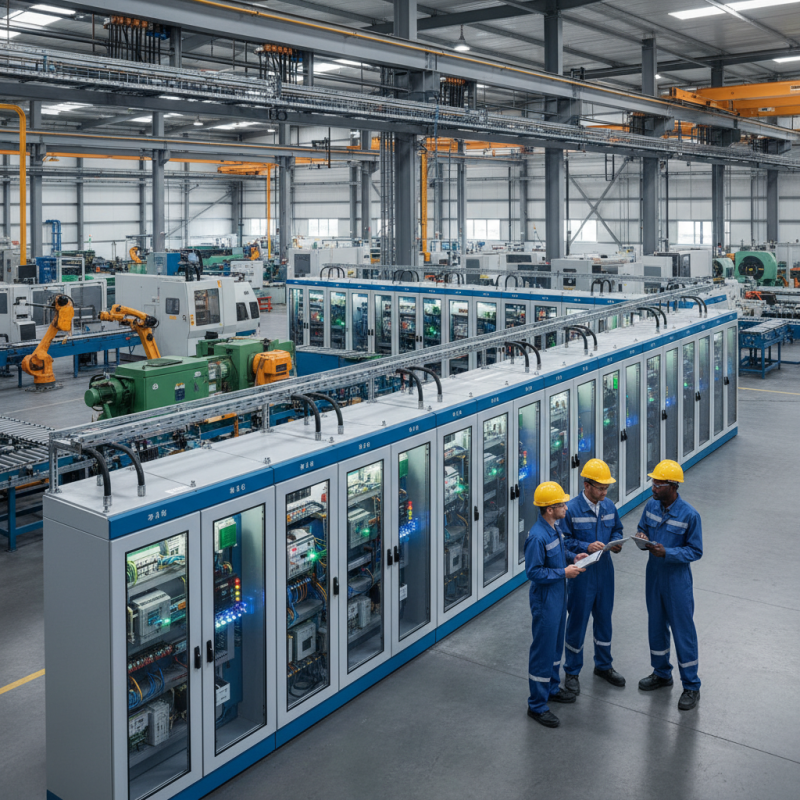
Motor Control Centers (MCCs) offer significant advantages for international businesses. These systems streamline operations by centralizing control and protection for electric motors. They enhance efficiency by reducing downtime through better monitoring and quicker troubleshooting. The modular design of MCCs allows for easy upgrades, making them adaptable to different market demands. Businesses benefit from reduced operational costs and increased productivity as a result.

MCCs provide enhanced safety features. They protect against electrical faults, increasing workplace security. This is crucial for companies operating in diverse regulatory environments. Companies can better comply with safety standards and keep their workforce secure. Furthermore, the integration of advanced technologies in MCCs allows for real-time data analysis. This feature can lead to informed decision-making and optimized performance, although it requires ongoing training for staff to maximize these benefits.

By investing in Motor Control Centers, international businesses position themselves for growth. However, adopting such technology poses challenges. Companies must assess their specific needs and potential return on investment. A tailored approach can minimize risks and streamline the transition. Proper planning and staff training are key. Even with the advantages, reflection on past mistakes can lead to improved future implementations.
Enhanced Energy Efficiency through Motor Control Centers

Motor control centers (MCCs) significantly enhance energy efficiency in various industrial applications. According to recent industry reports, implementing MCCs can reduce energy consumption by up to 30%. This reduction stems from the advanced control algorithms they employ. MCCs allow for precise monitoring and adjustment of motor operations, ultimately minimizing energy waste.

In addition, a report from the International Energy Agency (IEA) highlighted that improved motor efficiency could lead to substantial financial savings for industries worldwide. By optimizing motor speed and reducing idle time, MCCs contribute to these efficiencies. However, it is essential to recognize that the initial investment in MCCs can be substantial. This creates a barrier for some organizations looking to upgrade their systems.

While the efficiency gains are clear, the transition to MCCs requires careful planning and consideration. Companies must assess their current motor systems and determine the best upgrades. There is always a risk that initial projections about energy savings may not fully materialize. However, with diligent monitoring and by leveraging data analytics, these challenges can be mitigated over time. Embracing MCC technology is not just a trend; it is a necessary step toward more sustainable industrial practices.

Top 10 Motor Control Center Benefits for Global Buyers

Benefit Description Impact on Energy Efficiency Cost Savings Potential
Centralized Control Enables easier management of multiple motors from a single location. Reduces energy wastage through optimized motor usage. Potential savings of 10-30% in operating costs.
Improved Reliability Enhances uptime by allowing for real-time monitoring and diagnostics. Minimizes energy losses due to unexpected motor failures. Savings from decreased downtime and maintenance costs.
Energy Usage Monitoring Provides data on energy consumption to identify inefficiencies. Highlights areas for energy savings and optimization strategies. Direct impact on reducing energy bills.
Reduced Footprint Compact design reduces overall space requirements for equipment. Lower energy consumption due to optimized layout. Decreases costs related to space and infrastructure.
Flexible Design Adaptable configurations allow for easy scalability and retrofitting. Supports integration of energy-efficient technologies. Savings from future expansion without major costs.
Enhanced Safety Centralized control reduces the risk of electrical hazards. Lower probability of energy loss from accidents or failures. Avoids costs related to accidents and litigation.
Remote Monitoring Allows control and oversight from remote locations. Optimizes operation, leading to improved energy utilization. Can significantly reduce travel time and costs for inspections.
Real-time Data Analysis Utilizes analytics to enhance performance and efficiency. Informs decisions to adjust operations for better energy use. Leads to ongoing savings through continuous improvement.
Integration with Renewable Energy Facilitates the connection with renewable power sources. Reduces reliance on non-renewable energy, saving costs. Significant long-term savings as energy prices fluctuate.
Improved System Coordination Enhances coordination among various electrical systems and motors. Leads to optimized entire system energy consumption. Reduces overall operational costs, maximizing efficiency.

Improved Operational Safety with Motor Control Centers

Motor Control Centers (MCCs) provide substantial safety benefits in operational environments. They streamline power management for electric motors, ensuring safety measures are met fervently. By centralizing control and protection in one unit, MCCs reduce the risk of electrical hazards, such as short circuits or overloads. Improved safety protocols are embedded within their design, allowing for immediate response in emergencies.

Consider these tips when using motor control centers. Regular maintenance is crucial. Inspect connections and components consistently to prevent potential failures. Also, ensure that operators are adequately trained. Their understanding of the MCC's functions can minimize human error during operation.

The integration of safety features in MCCs can also lead to improved compliance with workplace regulations. They often include advanced monitoring systems. These systems provide real-time data, allowing organizations to address safety concerns proactively. Yet, be aware of the human factor. Mistakes can still occur, so it’s essential to create a culture of safety within the team. This will ensure that the potential risks are constantly evaluated and addressed efficiently.

Top 10 Motor Control Center Benefits for Global Buyers

Cost-Effectiveness of Utilizing Motor Control Centers

Top 10 Motor Control Center Benefits for Global Buyers?

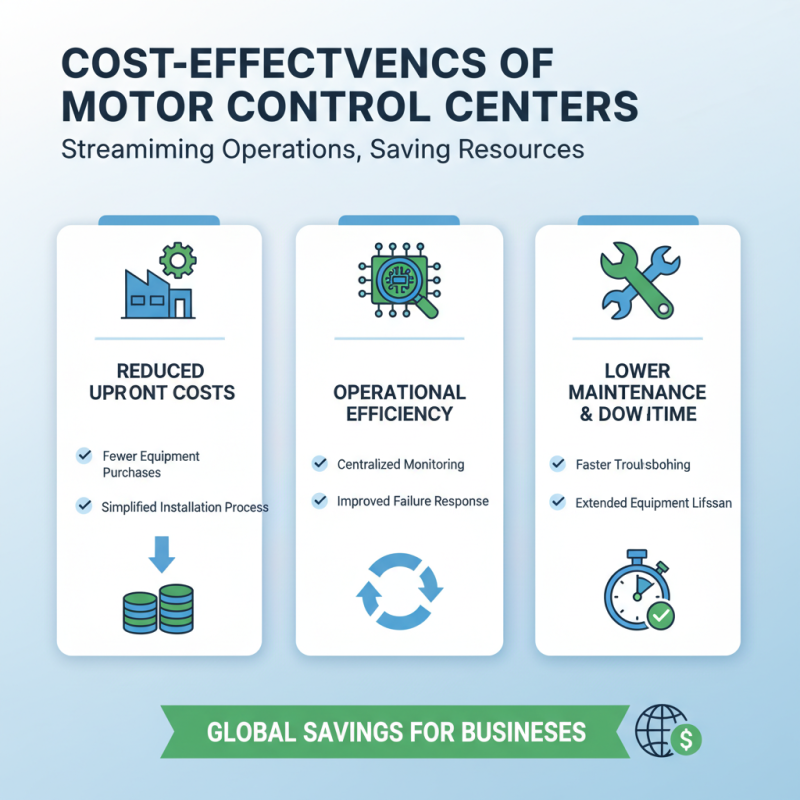
Motor Control Centers (MCCs) offer significant cost advantages for businesses worldwide. By consolidating control and protection for multiple motors, companies can streamline their operations. This leads to reduced equipment and installation costs. An MCC allows for centralized monitoring, which improves response time during failures. Thus, maintenance becomes more efficient.

Moreover, energy efficiency is a significant benefit. MCCs often feature advanced control technologies that reduce energy consumption. This can yield substantial savings over time. In some cases, businesses notice a reduction in their energy bills almost immediately. However, not all operators fully utilize these benefits. Proper training and understanding of the MCC system are crucial.

Investing in an MCC may seem high initially, but the long-term savings are undeniable. These centers can enhance plant reliability, reducing downtime and maintenance costs. Yet, organizations must assess their specific needs honestly. What works for one may not suit another. Regular evaluations of usage and performance are necessary to maximize cost-effectiveness.

Streamlined Maintenance and Reliability from Motor Control Centers

Motor control centers (MCCs) play a crucial role in industrial settings. They centralize control and protection for electric motors and other associated equipment. This streamlined approach enhances maintenance procedures. With clear layout and accessibility, technicians can quickly identify issues. This reduces downtime and ensures smoother operations.

Reliability is paramount in any production environment. Motor control centers contribute significantly to consistent performance. By integrating advanced diagnostics, these centers allow for proactive maintenance strategies. This shift from reactive maintenance minimizes unexpected failures. However, not every facility leverages these advancements fully. Some may overlook routine checks, leading to bigger problems down the line. Emphasizing regular inspections can prevent these scenarios.

Moreover, proper training for staff on MCCs is vital. Knowledge of the system enhances overall efficiency and safety. Yet, gaps in understanding can still exist. Continuous education is necessary for all team members. Investing in training pays off in long-term reliability and cost savings. Outdated practices can hinder progress, making it essential to adapt and evolve with new technologies.

Select Electrical Logo
Since 1988

Select Electrical Ltd. © Copyright 1988-2025