Top 10 Industrial Motors You Should Consider for Your Business?
In the rapidly evolving landscape of industrial operations, the choice of industrial motors plays a pivotal role. These motors drive machinery across various sectors, from manufacturing to agriculture. According to a recent report by the International Energy Agency, industrial motors account for nearly 60% of global electricity consumption. This highlights their significance in both operational efficiency and energy management.
Selecting the right industrial motors can significantly impact productivity and energy costs. The market is saturated with options, each suited for specific applications and environments. Data from Grand View Research indicates that the industrial motor market is projected to reach $78 billion by 2030, making it essential for businesses to choose wisely. This decision not only affects immediate output but also long-term sustainability.
However, with so many choices available, businesses might feel overwhelmed. The diversity in technology, efficiency ratings, and application suitability can complicate the selection process. Some may prioritize cost over performance, which can lead to regrettable outcomes in the long run. Thus, understanding the nuances of industrial motors is crucial for operational success and cost-effectiveness.
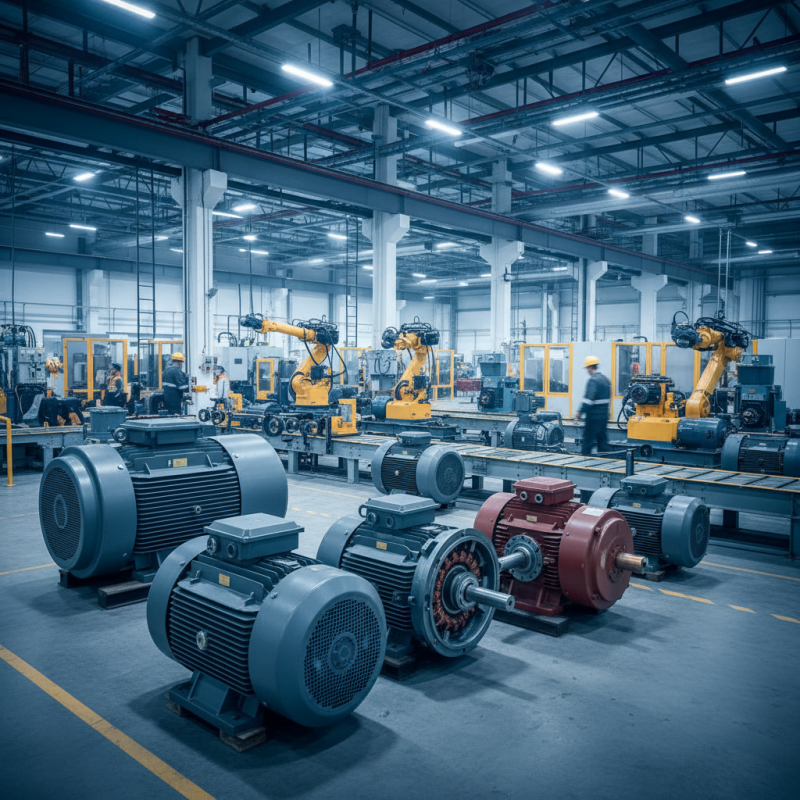
Overview of Industrial Motors and Their Importance in Business Operations
Industrial motors play a critical role in various business operations. According to a report by MarketsandMarkets, the global industrial motors market is projected to reach $165 billion by 2026. This growth reflects increased automation and energy efficiency in manufacturing and other sectors. Motors are vital in driving machinery, pumps, fans, and compressors. Choosing the right motor can significantly influence operational efficiency and productivity.
The importance of industrial motors extends beyond efficiency. They account for approximately 70% of the energy consumption in industrial facilities, as stated by the U.S. Department of Energy. This high energy usage makes selecting the most efficient motors crucial for sustainability and cost-saving. However, many businesses overlook the potential benefits of advanced motor technologies. For instance, variable speed drives can optimize performance but are often underutilized.
Moreover, it’s essential to remain aware of maintenance and replacement cycles. Regular assessments help prevent unexpected downtimes. However, many organizations still struggle with outdated motors, impacting overall productivity. Having a strategic plan for motor selection and management can address this issue. Investing in modern industrial motors is not just a choice—it's a necessity for businesses striving to enhance their operational capabilities.
Top 10 Industrial Motors You Should Consider for Your Business
| Motor Type |
Power Rating (HP) |
Voltage (V) |
Efficiency (%) |
Application |
| AC Induction Motor |
5 |
230 |
85 |
Pumps, Fans |
| Synchronous Motor |
20 |
400 |
90 |
Compressors, Generators |
| Brushless DC Motor |
3 |
48 |
95 |
Robotics, HVAC |
| Stepper Motor |
1 |
12 |
80 |
3D Printers, CNC Machines |
| Servo Motor |
5 |
240 |
90 |
Automation, Robotics |
| Split Phase Motor |
1.5 |
120 |
75 |
Fans, Blowers |
| Permanent Magnet Motor |
10 |
240 |
92 |
Electric Vehicles, Drones |
| Universal Motor |
2 |
120/240 |
80 |
Power Tools, Small Appliances |
| Torque Motor |
8 |
220 |
87 |
Conveyors, Turntables |
| DC Gear Motor |
6 |
48 |
88 |
Wheeled Robots, Electric Bikes |
Key Factors to Consider When Selecting an Industrial Motor for Your Needs
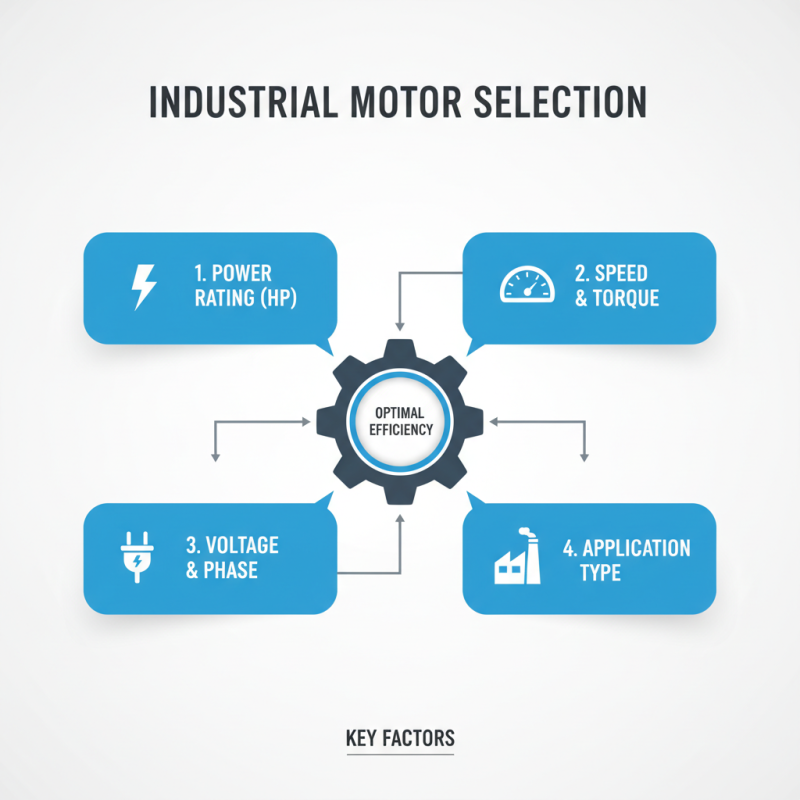
Selecting the right industrial motor can significantly impact operational efficiency. Several key factors play a vital role in this decision. One primary consideration is the motor's power rating. Determine the required horsepower based on the application's demands. Motors come in various sizes, making it crucial to match the motor capacity with your specific needs.
Another factor to consider is the motor's efficiency rating. More efficient motors consume less energy, leading to long-term savings. Look for motors with higher efficiency ratings, as they reduce operational costs over time. Additionally, think about the environment where the motor will operate. Factors like temperature, humidity, and exposure to contaminants can affect motor performance and durability.
Don't overlook the type of motor technology. AC, DC, and stepper motors each serve different purposes. Each type has its advantages and limitations. For instance, AC motors are excellent for continuous operations, while DC motors offer greater control. Reflect on your operational requirements before making a decision. It’s essential to analyze these factors critically to make the best choice for your business.
Top 10 Industrial Motors: Features and Benefits of Each Model
When choosing industrial motors, it’s essential to understand the features and benefits of various models. Electric motors, for instance, make up over 70% of global industrial motor sales. Their efficiency, reaching up to 95%, makes them a popular choice for many applications. They offer low operational costs, which can significantly reduce overall expenses.
Pneumatic motors are also noteworthy. They are lightweight and suitable for environments with high humidity or explosive risks. These motors are durable and often require less maintenance. According to recent industry reports, pneumatic motors can operate effectively under extreme temperatures, making them versatile for various settings.
Consider gear motors as well. They provide a compact solution that delivers high torque. Their design minimizes power loss, improving efficiency. However, they may not be the best choice for every application due to size limitations. Assessing your specific needs will help find the optimal model. There is no one-size-fits-all; understanding the intricacies of each type can lead to better decisions.
Top 10 Industrial Motors: Features and Benefits
Comparative Analysis: Energy Efficiency and Performance of Popular Motors
When selecting industrial motors for your business, energy efficiency and performance are crucial factors. Many motors offer varying levels of energy consumption, influencing your operational costs significantly. It's essential to analyze the torque and speed ratings of each motor. Higher efficiency ratings can lead to substantial savings over time.
Consider the different types of motors available. For instance, induction motors are generally reliable and have lower maintenance needs. However, their energy efficiency can sometimes fall short compared to other options. On the flip side, synchronous motors can deliver better efficiency but may require more complex controls. This trade-off is an important consideration.
While efficiency is vital, it is also critical to assess the specific application of each motor. Different tasks might demand varying performance characteristics. Some motors may excel in specific environments while underperforming in others. This scenario highlights the importance of real-world testing and adjustments. Every choice comes with nuances that deserve careful evaluation.
Maintenance Tips for Extending the Life of Industrial Motors in Your Business
Maintaining industrial motors is crucial for ensuring optimal performance. Regular inspections can catch issues early. Check for unusual vibrations or noises. These signs could indicate potential problems. Over time, dust and debris can accumulate. Clean the motor casing to maintain cooling efficiency.
Lubrication is essential for motor longevity. Proper lubrication reduces friction in moving parts. Follow the manufacturer's guidelines on lubricant types and intervals. This practice can significantly extend your motors' life. Monitor the motor's temperature regularly. If it runs too hot, it may need attention. Adjustments to the environment may also be necessary.
Training staff on motor care can make a difference. Knowledgeable employees will notice changes in performance. Encourage them to report irregularities immediately. Documentation of maintenance activities ensures accountability. Reflecting on what approaches worked can improve future practices. Industrial motors are investments worth protecting. Prioritize their upkeep, and your operations will benefit.