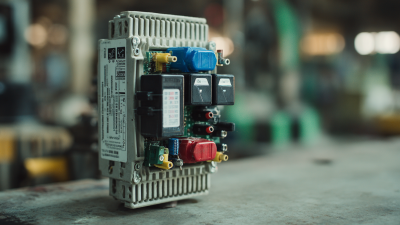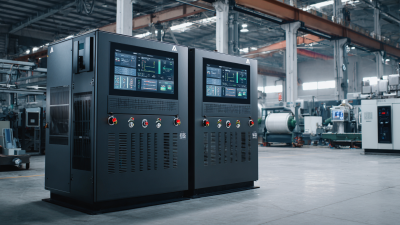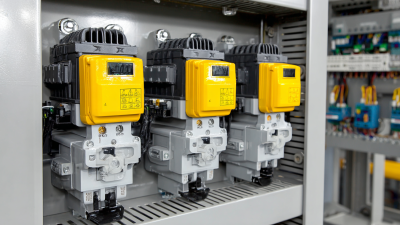
Top Soft Starters for Electric Motors What Should You Consider?

Soft starters for electric motors are essential devices in industrial applications. They provide a smooth acceleration and deceleration for your motor systems. This process minimizes mechanical stress and reduces the risk of damage. Selecting the right soft starter can significantly affect the longevity of your motors.

When considering soft starters for electric motors, several factors come into play. The voltage range, current rating, and control features are paramount. Additionally, the environment where the motor operates can impact the choice. Some settings may expose soft starters to dust or moisture. A reliable starter can withstand such challenges while ensuring optimal performance.

It’s important to acknowledge that not all soft starters are the same. Each model has its unique advantages and limitations. Reflecting on your specific needs is crucial for effective motor management. In some cases, you may realize that a basic model fits perfectly. At other times, advanced features may be necessary for complex applications. Being aware of the options will help in making informed decisions.
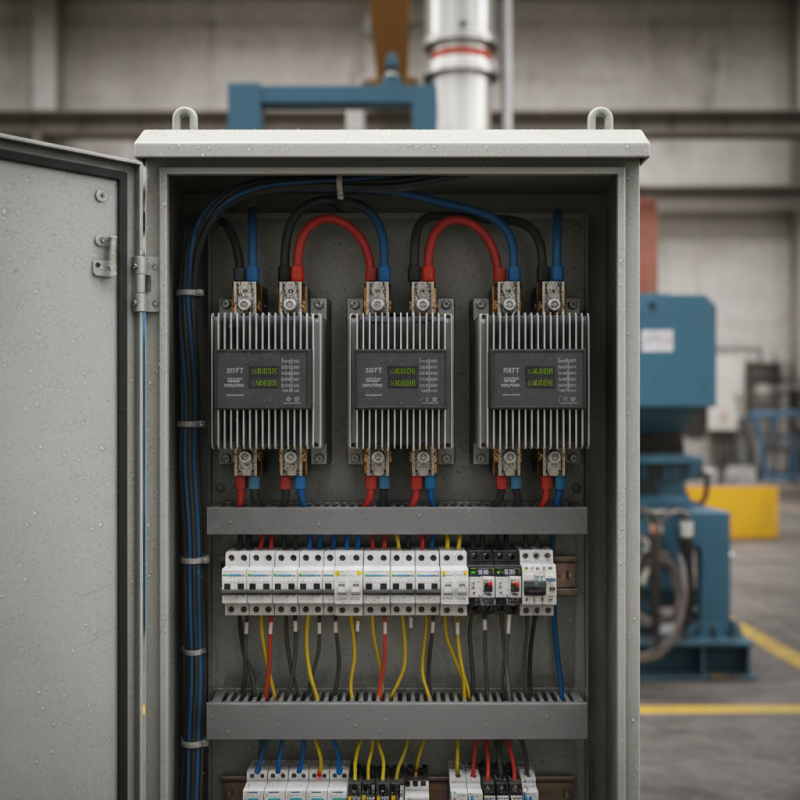
Top Soft Starters for Electric Motors What Should You Consider?

Understanding Soft Starters: Definition and Functionality

Soft starters are vital devices used in electric motor applications. They regulate the initial power, ensuring a smooth ramp-up in speed. This feature prevents sudden jolts that could damage the motor or its connected equipment. Understanding how soft starters function can improve your motor management choices.

A soft starter primarily controls the voltage supplied to the motor. By gradually increasing this voltage, it reduces the stress on mechanical components. This setup minimizes wear and tear, which is critical for longevity. Errors can occur if the wrong settings are applied. It might be tempting to use a soft starter for every motor, but that isn't always the best practice.

Temperature and load demands are crucial factors to consider. Not every motor requires the same level of control, and excessive protection features may lead to inefficiencies. Systems might not run as smoothly if they are over-engineered. Always evaluate the specific needs of your application to ensure the soft starter is compatible.
Top Soft Starters for Electric Motors: Performance Comparison

This chart presents a performance comparison of various soft starters based on key parameters such as starting current reduction (%), control features (scale of 1-10), and motor compatibility (in horsepower). The data illustrates how different models can vary in functionality and suitability for various applications.

Key Features to Look for in a Soft Starter for Electric Motors

When choosing a soft starter for electric motors, key features are crucial. The inrush current limit is vital. A soft starter can significantly reduce starting current by up to 70%. This reduction helps prevent potential damage to the motor and connected equipment. It also enhances the longevity of the wiring and circuit breaker systems.

Another important feature is the control mode. Many soft starters offer various modes such as current limit, voltage ramp, and torque control. According to industry reports, implementing these advanced control modes can improve energy efficiency. Up to 30% less energy consumption can be seen with precise starting and stopping control, leading to cost savings over time.

Integration capability also matters. A soft starter should easily integrate into existing systems. Some models include remote monitoring features. However, not all products in the market support this. Choosing a unit without proper compatibility can lead to operational issues. Therefore, thorough research and consultation with experts are key to making an informed decision.

Top Soft Starters for Electric Motors - Key Features to Look for in a Soft Starter

Feature Description Importance
Current Rating Defines the maximum load current the soft starter can handle. Ensures the soft starter can manage your motor's start-up current safely.
Overload Protection Prevents damage to the motor by disconnecting in case of an overload. Critical for motor longevity and reliability.
Voltage Ratings Supports various input voltage levels for flexible applications. Adaptability to different electric setups is key.
Adjustable Ramp-Up Time Customizable time for the motor to reach full speed. Helps reduce mechanical stress on the motor and connected components.
Thermal Management Includes built-in cooling systems or derating features. Essential for maintaining performance in high-load scenarios.
Communication Protocols Compatible with various automation systems for real-time monitoring. Facilitates better integration into existing control systems.

Factors Affecting Soft Starter Performance and Efficiency

Top Soft Starters for Electric Motors What Should You Consider?

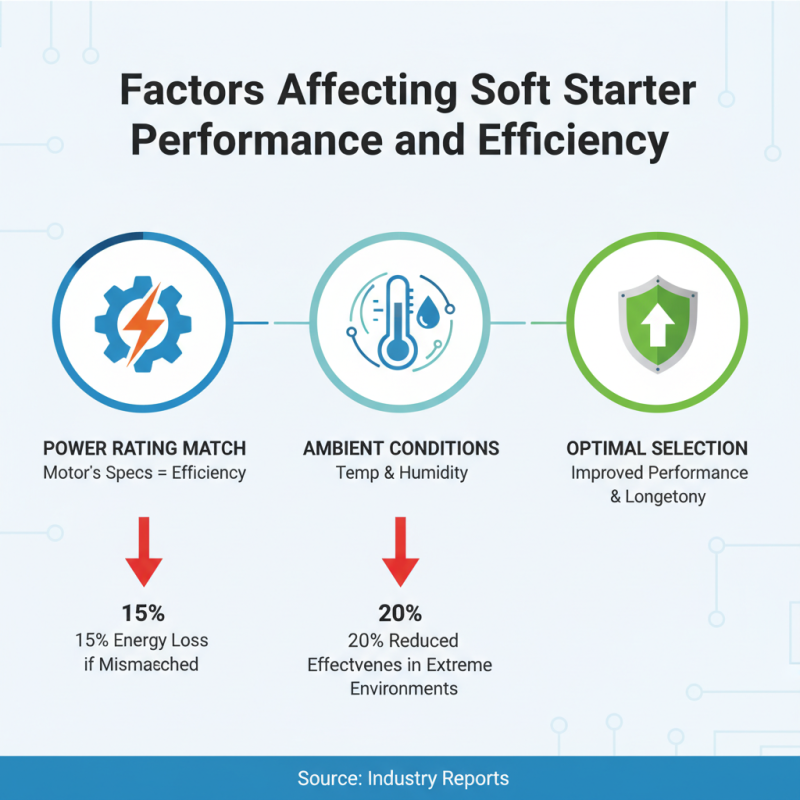
When selecting a soft starter for electric motors, performance and efficiency greatly depend on several key factors. One major aspect is the power rating of the soft starter itself. It should match the motor's specifications closely to avoid overheating and inefficiencies. According to industry reports, mismatched ratings can lead to a 15% reduction in energy savings. Additionally, the ambient conditions that the soft starter operates in, such as temperature and humidity, play a crucial role. Extreme environments can hinder the operational efficiency of the device, sometimes reducing its effectiveness by 20%.

Another factor is the control method used in the soft starter design. A smooth motor start reduces mechanical stress and energy consumption during start-up. For instance, pulse-width modulation (PWM) can enhance performance, particularly in variable torque applications. In fact, studies indicate that PWM can result in energy efficiencies up to 25% compared to traditional start mechanisms. However, it's essential to note that improper installation can lead to subpar performance, indicating that even effective technology can underperform without proper setup.

Compatibility with existing systems should not be overlooked. Many facilities incorporate retrofitted motors, and ensuring compatibility can prevent unexpected failures. Technical misalignments can potentially lead to an additional 30% maintenance costs over time. Therefore, assessing these factors can lead to better decision-making and improved motor management strategies. Understanding these nuances can significantly impact overall system performance.

Benefits of Using Soft Starters in Motor Applications

Using soft starters for electric motors can greatly enhance performance and efficiency. These devices reduce the inrush current when a motor starts, which minimizes stress on the motor. As a result, the lifespan of the equipment increases. Soft starters also improve energy efficiency by providing a smoother acceleration ramp. This effectiveness is crucial in applications that require a controlled start to avoid sudden shocks to machinery.

Additionally, soft starters offer several operational benefits. They can reduce wear and tear on mechanical components, such as belts and gears. Over time, this leads to lower maintenance costs. By controlling the start and stop of motors, soft starters can reduce noise levels in sensitive environments. This aspect can be particularly important in residential areas or quiet workplaces.

However, not all applications may need a soft starter. Sometimes, a simple direct-on-line starting method could suffice. It's essential to evaluate the specific needs of each situation. Proper assessment can ensure the right choice is made for the motor's application. Thoughtful planning is key to maximizing the benefits of soft starters while minimizing unnecessary expenses.

Common Brands and Models of Soft Starters on the Market

Top Soft Starters for Electric Motors What Should You Consider?

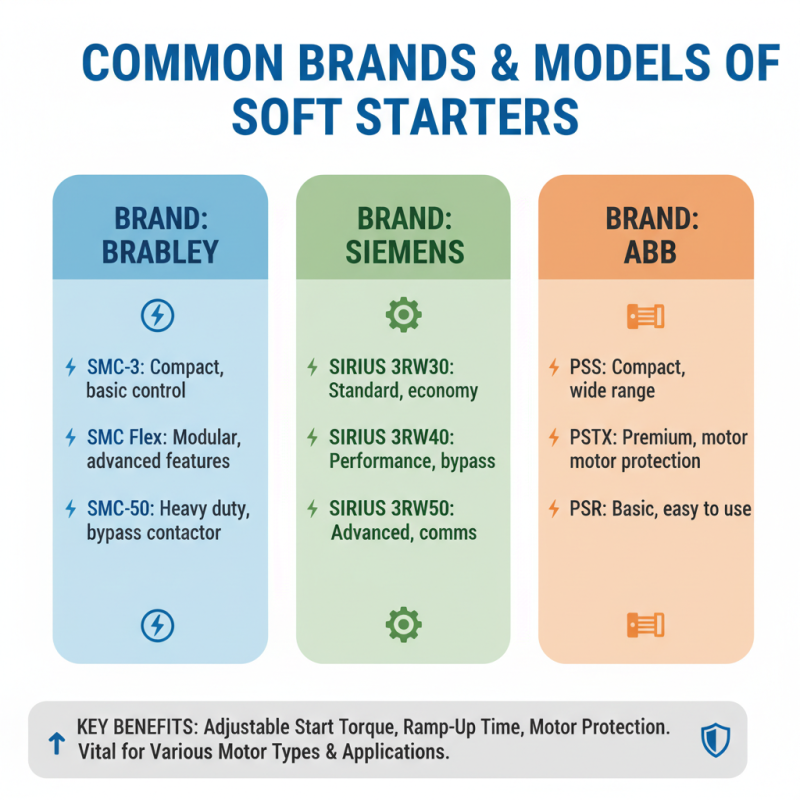
When choosing a soft starter, it is crucial to understand various brands and models on the market. Each option has unique features and benefits. Many models offer adjustable starting torque and ramp-up times. This customization is vital for different motor types and applications.

Some common brands emphasize reliability and ease of use. They often provide user-friendly interfaces, making installation simpler. However, not all models are equally durable or efficient. Some may fail under heavy load, leading to costly downtime. Researching and reading user reviews can provide insights.

The design of a soft starter also matters. Compact models can save space but may limit functionalities. Larger models often include advanced features like built-in protection against overheating. Users should weigh these options carefully. Balancing space with performance is an ongoing challenge.

Select Electrical Logo
Since 1988

Select Electrical Ltd. © Copyright 1988-2025