China Top 10 Electric Motor Starter Manufacturers?
China’s electric motor starter industry sits at the intersection of industrial automation, energy efficiency, and equipment safety. The International Energy Agency has reported that motor-driven systems consume roughly 46% of global electricity. That figure explains why reliable starting and protection equipment matters in factories, water plants, compressors, conveyors, and HVAC systems.
China has become a major manufacturing base for low-voltage control equipment. Its suppliers serve both domestic projects and international OEM customers. However, identifying the “top 10” is not as simple as counting export volume. A meaningful comparison should examine product range, rated current, short-circuit performance, certifications, factory capability, delivery consistency, and after-sales engineering support. Standards such as IEC 60947-4-1 provide an important technical reference for contactors and motor starters. They help buyers compare performance beyond attractive catalog photographs.
This guide reviews ten notable Chinese manufacturers of electric motor starter products and related motor-control equipment. It considers established brands, specialized producers, and companies with practical project experience. Public rankings remain imperfect. Some companies disclose detailed test data, while others publish limited information. That difference can influence visibility, but not always product quality.
Real selection requires more than a website review. Buyers should verify test reports, enclosure protection, thermal overload settings, supply voltage, and local compliance requirements. Small details matter. A poorly matched starter can create nuisance trips, overheating, or costly downtime. The following overview therefore combines market reputation with technical and purchasing considerations, while recognizing that supplier performance may vary by model, application, and region.
What Are Electric Motor Starters and How Do They Work?
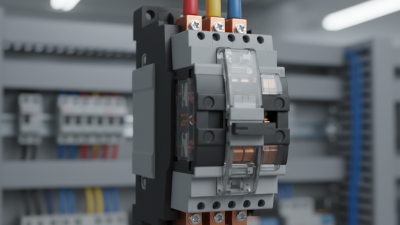
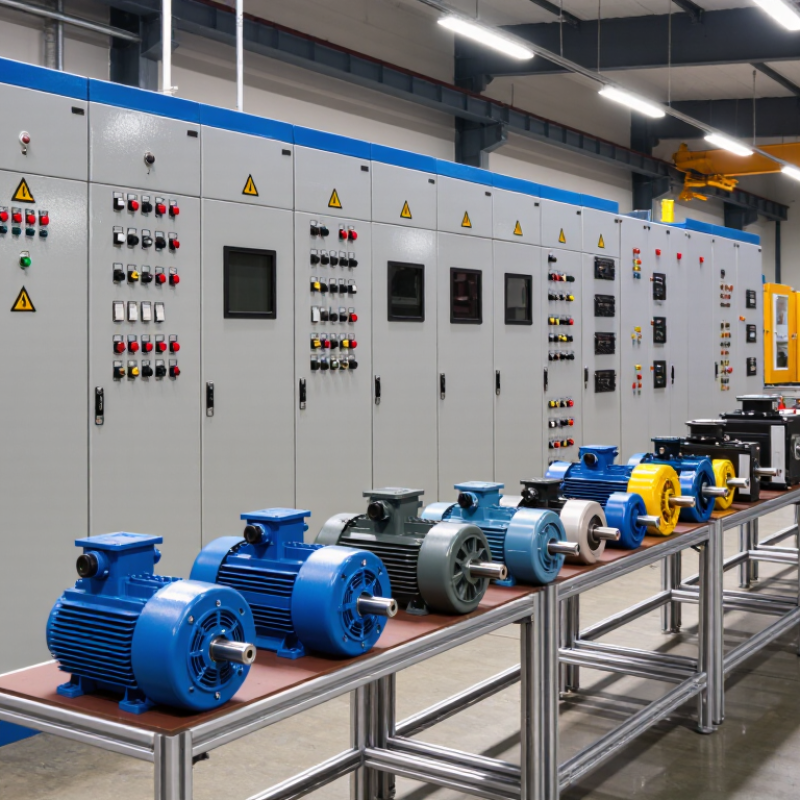
An electric motor starter controls how a motor receives electrical power. It usually combines a contactor, overload relay, and control circuit. The contactor acts like a remotely operated switch. The overload relay protects the motor from sustained excessive current.
When the start button is pressed, a small control current energizes the contactor coil. The main contacts close, sending power to the motor windings. The motor then accelerates from rest. If current remains too high, the overload relay opens the control circuit and stops the motor. This response protects against jammed shafts, blocked fans, and heavy mechanical loads.
Different applications require different starter designs. A direct-on-line starter is simple, but its starting current can cause a noticeable voltage dip. A star-delta starter reduces initial current, although it requires suitable motor connections and careful timing. Soft starters increase voltage gradually, reducing mechanical shock. Variable-frequency drives offer broader speed control, but they need correct programming and installation.
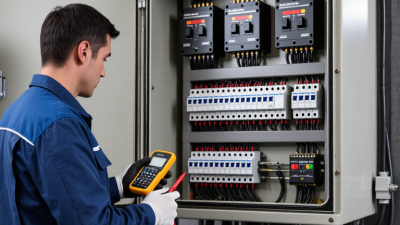
In practical commissioning, technicians check terminal tightness, grounding, overload settings, and rotation direction. A clamp meter can reveal abnormal running current. Small details matter.
No starter is foolproof.
One common mistake is setting the overload too high to prevent nuisance trips. That choice may hide a real mechanical problem. Starter selection should match motor power, load behavior, duty cycle, enclosure conditions, and local electrical requirements. Experienced inspection remains essential, because a quiet motor can still operate dangerously hot.
How Are China’s Top Motor Starter Manufacturers Selected?
China’s top 10 electric motor starter manufacturers are not selected by factory size alone. A credible evaluation examines design capability, production consistency, testing discipline, and customer support. These factors reveal how a supplier performs beyond a polished catalog.
Technical reviewers usually inspect starter ratings, thermal protection, switching life, enclosure quality, and compatibility with common motor systems. They may request sample units and test them under repeated starts, voltage variation, and extended operating temperatures. Clear test records matter. So does traceable component sourcing. Factory audits can also examine calibration schedules, worker training, quality checkpoints, and how defects are handled.
Real purchasing experience adds another layer. A manufacturer may offer a low quotation but provide slow engineering feedback or unstable delivery dates. That weakness should affect its ranking. Service teams should explain installation limits, maintenance needs, and replacement procedures in practical language. Compliance documentation must be current and verifiable, not copied from an old project. Independent certifications help, but they do not replace product testing. Some rankings remain imperfect because public data is limited and export performance can vary by market. For this reason, selection should combine factory visits, buyer feedback, sample testing, and evidence collected over time.
China Top 10 Electric Motor Starter Manufacturers
How are China’s top motor starter manufacturers selected? This transparent editorial framework uses weighted, verifiable procurement criteria rather than brand names or promotional claims. The weights total 100% and are intended for shortlist comparison.
Compliance and product quality receive the highest weighting because motor starters must meet applicable electrical safety, performance, and reliability requirements. Manufacturing capability, customization, delivery, and after-sales support complete the selection model.
Who Are the Top 10 Electric Motor Starter Manufacturers in China?
China’s top 10 electric motor starter manufacturers are best identified by factory capability, product reliability, and field experience. They commonly include established low-voltage starter producers, industrial automation specialists, heavy-duty motor control suppliers, and custom electrical equipment manufacturers. Other strong candidates focus on soft starters, direct-on-line starters, star-delta systems, or intelligent protection units.
Reliable manufacturers usually operate testing laboratories and inspect contactors, overload relays, terminals, and enclosures before shipment. Their engineers should understand voltage fluctuation, motor inrush current, heat buildup, and dusty factory environments. Look for documented quality systems, traceable components, clear wiring diagrams, and practical after-sales support. Certification matters, but it should support real testing evidence.
Experience reveals small details. A dependable supplier may test a starter under repeated switching cycles, not only perform a visual inspection. It should also provide replacement guidance when a relay fails in the field. Some manufacturers offer impressive catalogs but weak technical responses. That is worth questioning. No ranking is perfect, because a supplier suitable for a water pump may not fit a conveyor or compressor. Buyers should compare rated current, enclosure protection, control voltage, customization ability, delivery records, and independent customer feedback before choosing among China’s leading ten manufacturers.
How Do These Manufacturers Compare in Products and Capabilities?
Comparing the top ten electric motor starter manufacturers requires more than checking catalog size.
In field selection, engineers examine voltage range, motor current, enclosure rating, and overload response. A compact starter may fit a pump panel, while a heavy-duty unit suits crushers or conveyors. That difference affects heat, maintenance, and unplanned downtime. Product lines usually include direct-on-line starters, soft starters, and reduced-voltage systems. Some suppliers also offer motor protection relays, bypass contactors, and digital monitoring.
Their capabilities differ sharply in engineering support. Stronger manufacturers provide wiring diagrams, fault-setting guidance, and application reviews before delivery. They test thermal performance, switching endurance, and compatibility with common control systems. Responsive teams can troubleshoot a tripped starter using current logs and temperature readings. That practical support often matters more than a low purchase price. Still, published test data is not always complete. Buyers should request samples, factory records, and local service terms before approval.
Customization is another dividing line.
One manufacturer may adjust overload curves for high-inertia loads. Another may improve cabinet layout, terminals, or communication interfaces. Buyers should compare short-circuit ratings, spare-part access, delivery consistency, and training. A technically impressive starter can disappoint if replacement parts arrive slowly. Field audits sometimes reveal excellent specifications but unclear installation instructions. That weakness deserves attention during supplier audits and pilot tests.
What Should Buyers Consider When Choosing a Chinese Manufacturer?
China Top 10 Electric Motor Starter Manufacturers?
Choosing among China’s top electric motor starter manufacturers requires more than comparing prices. Buyers should verify production experience, engineering skills, and quality controls. Ask for factory audit records, product test reports, and traceability from components to final inspection. A reliable supplier should explain overload protection, coil voltage, enclosure rating, and expected service life clearly.
Tips: Request a sample before placing a large order. Test it with your actual motor, ambient temperature, and starting frequency. Check response time, contact heating, noise, and repeated switching performance. Confirm certifications required in your target market. Also review minimum order quantities, lead times, packaging, spare parts, and warranty procedures.
Communication often reveals practical reliability. Can the manufacturer read your wiring diagram accurately? Do engineers answer technical questions with measurements, not vague promises? A low quotation may hide weaker contacts, limited testing, or expensive replacement delays. Factory visits and video inspections can expose these gaps, although neither method is perfect. I have found that clear specifications prevent more problems than friendly sales conversations. Buyers should record approved samples, inspection standards, and change-control requirements in writing. Small details matter. A starter that works in a showroom may fail in a dusty workshop or under frequent voltage fluctuations. Allow time for independent inspection, and keep one tested sample for future comparison.